
ETCS: Revolutionizing European Rail Safety
Upgrade your railway signaling with ETCS! Modernize for enhanced safety, efficiency, and seamless interoperability.

Modernizing Railway Signaling Systems: A Path to Enhanced Safety and Efficiency
The global railway network faces increasing pressure to improve safety, efficiency, and capacity. A crucial element in achieving these goals lies in the modernization of signaling systems. This article delves into the complexities of upgrading railway signaling, focusing on the transition from older, less sophisticated systems to modern, advanced technologies. We will explore the challenges involved in implementation, the benefits realized through such upgrades, and the long-term implications for railway operations. Specifically, we will examine the critical role of the European Train Control System (ETCS) in enhancing safety and operational efficiency, discussing its technical specifications, implementation strategies, and the broader impact on railway infrastructure management. We will also consider the economic aspects, evaluating the return on investment associated with such significant infrastructure projects and the wider societal benefits resulting from a more reliable and efficient railway network. This exploration will illuminate the vital role of technological advancement in shaping the future of rail transport.
The Evolution of Railway Signaling: From Mechanical to Electronic
Early railway signaling systems relied on mechanical signals and track circuits, often resulting in limited capacity and potential for human error. These systems, while functional for their time, were inherently restricted in their ability to manage the increasing demands of modern rail operations. The introduction of electronic signaling marked a significant leap forward, introducing centralized control, improved reliability, and greater capacity. This shift facilitated increased train speeds and reduced headways (the minimum time interval between trains), leading to more efficient utilization of existing infrastructure. However, even advanced electronic systems faced limitations in their interoperability and scalability. The need for a unified, interoperable system became increasingly apparent, paving the way for the development of more sophisticated technologies like ETCS.
ETCS Installation: The Cornerstone of Modern Railway Signaling
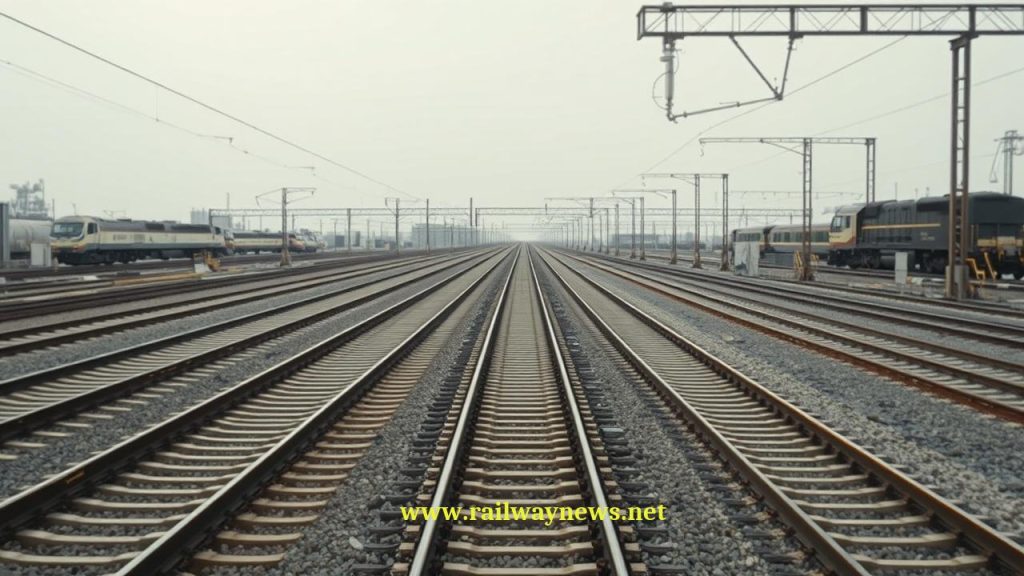
The European Train Control System (ETCS) represents a paradigm shift in railway signaling. This advanced system leverages Global Navigation Satellite System (GNSS) technology, combined with trackside infrastructure, to provide continuous train monitoring and control. Unlike older systems relying solely on track circuits, ETCS offers seamless interoperability across different national railway networks. The system’s ability to automatically enforce speed limits, maintain safe distances between trains, and provide real-time information to train drivers significantly enhances safety. Furthermore, ETCS’s flexible architecture allows for adaptable implementation, catering to varying track configurations and operational requirements. Its adoption necessitates careful planning and phased implementation, requiring significant investment in both hardware and software, as well as comprehensive training for railway personnel.
Challenges and Benefits of Signaling System Modernization
The transition to advanced signaling systems like ETCS is not without its challenges. Significant capital investment is required for the procurement and installation of new equipment, the upgrading of existing infrastructure, and the extensive training of personnel. Furthermore, integrating new systems with legacy infrastructure often presents complex technical hurdles. However, the long-term benefits outweigh these challenges. Improved safety, enhanced operational efficiency, increased capacity, and reduced operational costs are all significant advantages. The resulting increase in reliability and predictability translates to a more efficient and cost-effective railway system, benefiting both operators and passengers. The improved safety features significantly reduce the risk of accidents, potentially saving lives and minimizing financial losses.
The Future of Railway Signaling and its Impact
The modernization of railway signaling systems, particularly the widespread adoption of ETCS and similar technologies, is shaping the future of rail transport. These systems are not merely technological upgrades; they are essential components in creating a safer, more efficient, and sustainable rail network. As technological advancements continue, we can expect even greater levels of automation, integration with other systems (such as traffic management systems), and enhanced data analytics capabilities. This will lead to further improvements in safety, efficiency, and the overall passenger experience. The ability to optimize train schedules in real-time, predict potential delays, and proactively manage resources will contribute to the long-term sustainability and economic viability of the rail industry. The increasing focus on interoperability will facilitate greater cross-border connectivity, fostering international trade and passenger mobility.
In conclusion, the modernization of railway signaling systems is a crucial undertaking that addresses vital safety concerns and paves the way for increased operational efficiency. The transition, exemplified by the widespread deployment of ETCS installation, presents considerable challenges related to cost, integration, and training. However, the resulting improvements in safety, capacity, and efficiency far outweigh the initial investment. The enhanced reliability and seamless interoperability offered by modern systems such as ETCS lead to a more sustainable and economically viable railway industry. This transformation is not simply a technological upgrade, but a foundational shift in how railway networks are designed, managed, and operated, leading to a safer and more efficient transportation future for generations to come. This progress underscores the critical role of continued innovation and investment in railway infrastructure to meet the evolving needs of a growing global population and its increasing reliance on efficient and safe transportation solutions.
You might be interested in:
Last April 2019, we published an article about the MBTA’s commuter rail locomotive overhaul. Click here to read – MBTA Commuter Rail Overhaul: $78.3M Investment
RELATED POSTS
April 1, 2026 8:45 am
Renfe Alquiler finalized a 15-year lease for ex-DB coaches with...
April 1, 2026 12:10 pm
Alstom secured a €410 million contract from CFR SA to...
April 1, 2026 2:14 pm
Saudi Arabia Railways launched a 1,700 km freight rail corridor...

April 1, 2026 5:39 pm
The U.S. Surface Transportation Board proposed a 1.5% annual US...
April 1, 2026 4:31 pm
Network Rail upgraded Berrylands station platforms for £6 million, replacing...
April 1, 2026 6:21 pm
Federal Transit Administration awarded $20.6 billion in formula-based apportionments to...