
CTA Red Line Modernization: Chicago’s Rail Infrastructure Boost
Chicago’s Red Line gets 4 new stations, marking a major transit upgrade. Modernized stations improve passenger experience and efficiency.
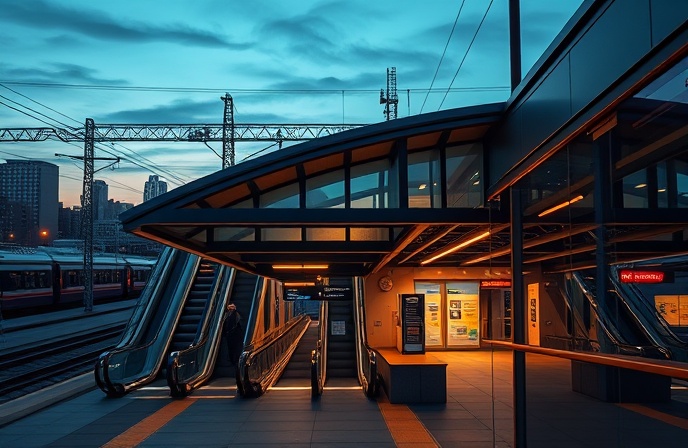
CTA Unveils Modernized Red Line Stations, Marking a Milestone in Chicago’s Transit System
Chicago commuters and transit enthusiasts alike celebrated a significant upgrade on July 20th as the Chicago Transit Authority (CTA) officially opened four brand-new Red Line stations. This monumental undertaking, part of the $2.1 billion Red and Purple Modernization (RPM) Phase I project, sees the revitalization of vital infrastructure. The new stations, located at Lawrence, Argyle, Berwyn, and Bryn Mawr, represent a substantial leap forward in passenger experience and operational efficiency. Replacing stations over a century old, this project directly addresses the need for modern, accessible, and reliable public transportation. This article will delve into the details of this ambitious project, examining the new technologies implemented, the impact on passenger experience, and the long-term implications for Chicago’s ‘L’ system. The opening marks the most significant station debut since the Orange Line opened in 1993.
Enhanced Passenger Experience: Modernizing the Rider’s Journey
The newly constructed Red Line stations are a testament to the CTA’s commitment to passenger comfort and safety. Gone are the outdated, cramped facilities of the past. The modern stations feature multiple escalators and elevators, providing full accessibility for riders of all abilities. Platforms have been widened, significantly improving passenger flow and reducing congestion during peak hours. Furthermore, the stations boast improved lighting, strategically placed for increased visibility and enhanced security features, including strategically placed cameras and emergency call boxes. Real-time information boards are now prominently displayed, providing immediate updates on train arrivals and potential service disruptions. These upgrades represent a significant departure from the previous infrastructure, offering a modern and welcoming environment for daily commuters and visitors alike.
Technological Advancements: The Spine of the System
Beyond passenger-facing improvements, the RPM Phase I project incorporates advanced technologies to ensure smoother and more reliable operations. The project included the complete reconstruction of approximately six miles of Red Line track structure, employing state-of-the-art materials and construction techniques to ensure durability and minimize the need for future maintenance. Furthermore, a new signal system has been installed across 23 track miles, spanning the distance between the Howard and Belmont stations. This upgrade, utilizing advanced communications and control systems, allows for more efficient train management, reducing headways and optimizing service frequency. This will subsequently improve punctuality. The improved signal system also supports future capacity enhancements, critical for accommodating increasing ridership demands.
Project Phases and Track Reconstruction: A Critical Undertaking
The Red and Purple Modernization (RPM) Phase I project, which commenced construction in 2019, involved three key components. As well as the station reconstruction, the project also includes the reconstruction of track structure between Belmont and Newport/Cornelia. This complex undertaking involved significant logistical challenges, including careful coordination of construction activities to minimize service disruptions. Extensive planning and precise execution were essential to ensure the safety of workers and commuters alike. The project’s successful completion showcases the CTA’s ability to manage large-scale infrastructure projects effectively and efficiently, with minimal disruption to the public.
Conclusion
The opening of the four modernized Red Line stations marks a pivotal moment in Chicago’s transit history. The $2.1 billion investment in the Red and Purple Modernization Phase I project has resulted in tangible improvements for passengers, enhanced operational efficiency, and a more robust infrastructure. The new stations provide accessible and improved experiences for commuters of all abilities. Furthermore, the advanced technologies implemented across the system are poised to improve service reliability and prepare the ‘L’ for future growth. This project serves as a model for other cities seeking to modernize their transit networks. The improvements to the infrastructure will have long-term implications for the CTA’s ability to attract ridership, particularly at a time when public transportation is critical for the health of the environment and the economy. Looking ahead, the success of RPM Phase I will be a significant factor in determining the scope and feasibility of future transit improvement projects within the city. The enhancements offer the potential to attract more riders and improve connectivity for Chicago residents.
RELATED POSTS

January 25, 2018 9:37 am
Revolutionize railcar maintenance! Preventative strategies and advanced tech boost...
November 22, 2019 10:52 pm
The Digital Transformation of Norway’s Railway System: A Case Study...

December 1, 2025 3:42 pm
EIB and AfDB invest $275 million in Mauritania railway. This...
Upgrade your commuter rail system with modern infrastructure and a...
January 20, 2020 4:45 pm
This article analyzes a significant investment in the modernization of...
July 24, 2020 4:19 pm
Revitalizing Indian Railways: A Focus on Station Redevelopment This article...