
East Kilbride-Glasgow Line: £140m Electrification Upgrade
Introduction
This article delves into the significant electrification upgrade planned for the East Kilbride-Glasgow railway line, scheduled to commence in January 2025. This £140 million (approximately $180.8 million USD) project, funded by the Scottish Government, represents a crucial step towards decarbonizing Scotland’s rail network and improving the reliability of passenger services. The project scope is extensive, encompassing line electrification, new station construction, infrastructure improvements, and significant track modifications. The 16-week closure of the line, commencing January 25th, 2025, necessitates a detailed examination of the logistical challenges, engineering complexities, and the impact on commuters. We will explore the engineering works involved, the mitigation strategies implemented to minimize disruption, and the long-term benefits of this ambitious undertaking for the region and the Scottish rail system as a whole. This analysis considers both the immediate impacts of the closure and the long-term benefits of a modernized and electrified rail network.
Electrification and Infrastructure Upgrades
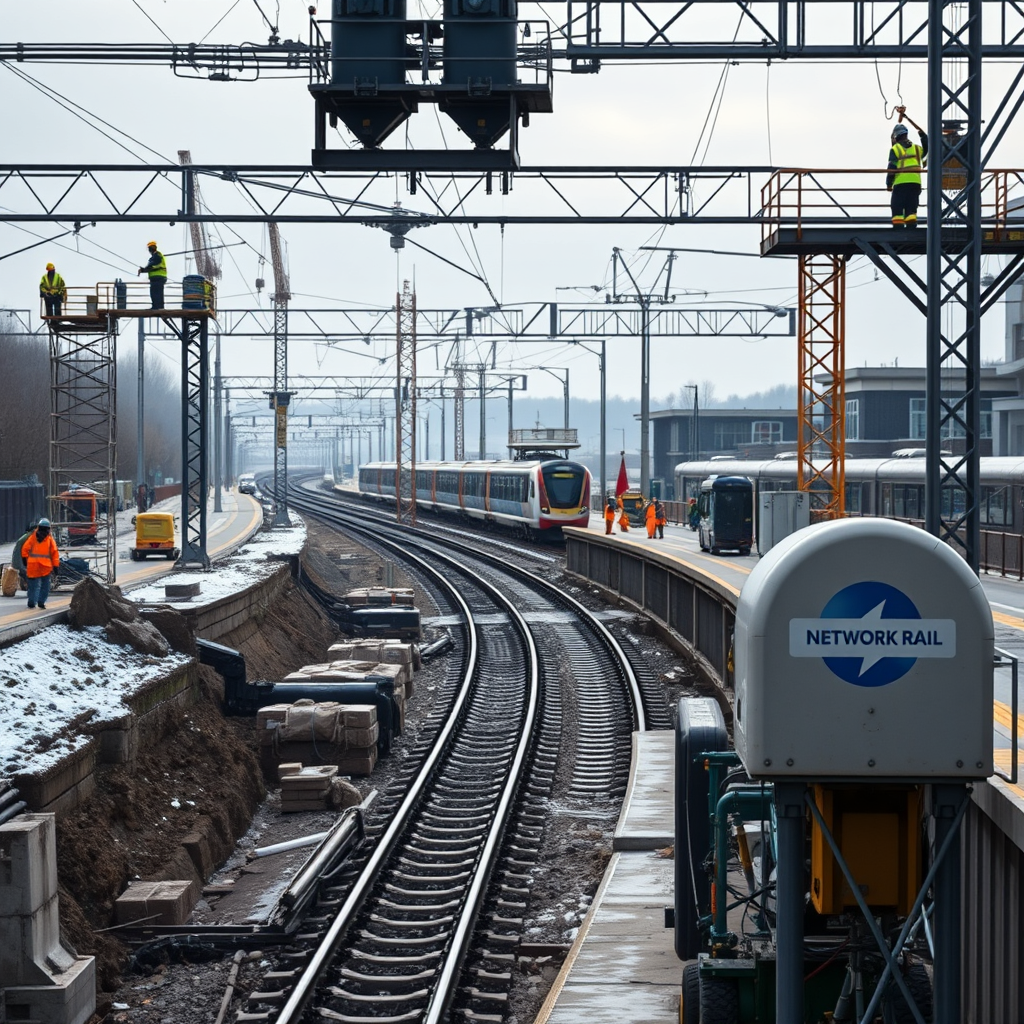
The core of the project involves the electrification of the 22km (kilometers) East Kilbride-Glasgow line. This necessitates the installation of 22km of new overhead power cables (OHLE) and the lowering of the existing track at several points to accommodate the new OHLE infrastructure near Busby, Clarkston, and Giffnock stations. This complex undertaking requires precision engineering to ensure compatibility with existing infrastructure and the smooth operation of the electrified line post-completion. The project also includes the construction of new stations at East Kilbride and Hairmyres, signifying a significant investment in improving passenger facilities and accessibility. New footbridges at Busby, Giffnock, and a new station entrance at Clarkston will further enhance passenger experience and safety. The extension of the double-track between East Kilbride and Hairmyres will improve line capacity and allow for increased train frequency in the future.
Project Timeline and Mitigation Strategies
The 16-week closure of the East Kilbride-Glasgow line, beginning January 25th, 2025, is a necessary but disruptive component of this upgrade. Network Rail (NR) has planned for this closure meticulously, establishing a comprehensive replacement bus service to minimize the impact on commuters. The strategic decision to conduct the bulk of the engineering works during this continuous closure period allows for the most efficient and rapid completion of the project. This concentrated effort reduces the overall duration of disruption, minimizing the long-term impact on passenger services. The new Hairmyres station is slated to open in May 2025, signifying a key milestone in the project timeline. The three-month advance notice provided to passengers allows for adequate time to plan alternative travel arrangements, reducing the likelihood of widespread disruption.
Engineering Challenges and Solutions
The project presents numerous engineering challenges. The integration of the new OHLE system with the existing infrastructure requires careful planning and execution. Lowering the existing track at various points necessitates precision earthworks and meticulous coordination to avoid disruptions to adjacent utilities and services. The construction of new stations and footbridges must also be integrated seamlessly into the overall project timeline, avoiding any potential delays. Network Rail’s (NR) capital delivery director, Gerry McQuade, emphasizes the need for a continuous working period to complete the work efficiently. This highlights the logistical complexities involved in coordinating multiple work streams within a confined timeframe.
Benefits and Long-Term Vision
The completion of this electrification project will bring substantial long-term benefits. The transition to electric trains will significantly reduce carbon emissions, aligning with Scotland’s environmental goals and contributing to a more sustainable transportation system. Improved reliability of passenger services will result from the upgraded infrastructure, providing a more efficient and dependable rail link between East Kilbride and Glasgow. The new and improved stations and footbridges will enhance the overall passenger experience, making rail travel more comfortable and accessible. Increased line capacity, facilitated by the double-track extension, will enable greater train frequency, ultimately benefiting commuters and boosting the region’s economic activity. The project underscores a commitment to modernizing Scotland’s rail infrastructure, enhancing its efficiency, sustainability, and overall capacity to meet the needs of a growing population.
Conclusions
The electrification upgrade of the East Kilbride-Glasgow railway line represents a substantial investment in Scotland’s rail infrastructure with far-reaching benefits. The project, while requiring a significant 16-week line closure starting in January 2025, will ultimately deliver a modernized, electrified railway line. The detailed planning, including a comprehensive replacement bus service and proactive communication with passengers, aims to minimize disruption. This project’s success depends on the meticulous execution of complex engineering tasks including OHLE installation, track modifications, and the construction of new stations and footbridges. The completion of the project, anticipated by December 2025, will result in significant improvements to passenger experience, enhanced reliability, and a substantial reduction in carbon emissions. The upgrade exemplifies a commitment to sustainable transportation and represents a crucial step towards a greener and more efficient rail network for the future. The improved infrastructure, coupled with increased capacity and modernized facilities, will contribute positively to the economic vitality of the region. This transformative project underscores Scotland’s commitment to sustainable and modern rail transportation, demonstrating a vision for a future where rail travel is efficient, reliable, and environmentally responsible.
RELATED POSTS

October 29, 2022 1:58 am
This article explores the recently signed strategic cooperation agreement between...

November 28, 2025 10:42 am
Czech Railways boosts its railway network with a new night...
September 20, 2021 12:28 pm
Introduction This article examines the expansion of the New Intercity...

September 3, 2012 1:56 pm
Bulgaria has opened the second line of the Sofia metro,...
October 6, 2019 2:50 pm
Investing in the Future of Rail: A Collaborative Approach to...
March 21, 2022 12:12 am
This article delves into the significant Levenmouth Rail Link project...