
DART Silver Line Quiet Zones: Safety & Community Impact Analysis
DART’s Silver Line, launching soon, features quiet zones. Phased implementation ensures safety along the 26-mile route.
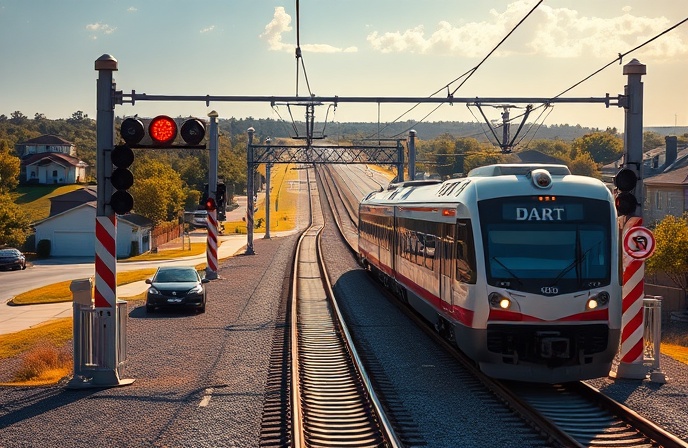
DART Gears Up for Silver Line Launch with Quiet Zone Implementation
In a move poised to enhance the passenger experience and address community concerns, Dallas Area Rapid Transit (DART) is nearing the launch of passenger operations on its Silver Line commuter rail. This crucial step forward is being facilitated by the implementation of “quiet zones” along most of the 26-mile route. The Silver Line, connecting Dallas Fort Worth Airport to Shiloh Road in Plano, involves seven municipalities in northern Texas. This article will explore the details of the project, examining the progress made and the implications for DART and the surrounding communities. The quiet zones, designed to reduce train horn noise, will be activated in a phased approach, requiring several safety enhancements to ensure public awareness of approaching trains.
Phase-In of Quiet Zones
The implementation of the quiet zones follows a carefully orchestrated schedule. DART began the process in Coppell. Addison and Dallas are scheduled to activate their quiet zones, and Carrollton, Richardson, and Plano will follow suit. The phased approach allows for thorough testing and ensures that all necessary safety measures are in place before passenger operations begin. The key to success in implementing these zones is the collaborative effort between DART, the Federal Railroad Administration (FRA), and the participating cities.
Collaboration and Regulatory Compliance
The establishment of quiet zones is contingent on adherence to specific federal regulations. DART’s partnership with the FRA is crucial in meeting these requirements. DART is installing additional safety measures, including robust fencing, crossing gates, and unmountable curbs. These additions mitigate potential risks for vehicles that attempt to circumvent crossing gates. By meeting these safety standards, DART is ensuring that the reduction in horn noise does not compromise public safety. This collaborative approach underscores the importance of inter-agency cooperation in modern rail infrastructure projects.
Safety Enhancements and Technological Integration
To compensate for the absence of train horns, DART has invested in technological advancements and infrastructure improvements along the Silver Line. These enhancements focus on enhanced visibility and automated warning systems. The integration of advanced signaling systems and improved crossing gates is a key element. These technological implementations help maintain a safe operating environment. This underscores DART’s dedication to incorporating state-of-the-art technologies. This approach improves operational efficiency.
Community Impact and Passenger Experience
The implementation of quiet zones is anticipated to significantly improve the quality of life for residents along the Silver Line route. By reducing noise pollution, DART is making the area more appealing. This should lead to increased property values and a better overall community environment. For passengers, the quieter ride promises a more comfortable and enjoyable travel experience. This approach helps enhance passenger satisfaction. This aligns with DART’s broader goal of delivering a modern, efficient, and passenger-friendly transportation solution.
Conclusion
DART’s strategic implementation of quiet zones along the Silver Line represents a significant step toward the line’s successful launch. The carefully planned, phased activation, combined with rigorous safety enhancements and collaborative efforts with the FRA and local municipalities, demonstrates a commitment to passenger safety and quality of life for residents. The quiet zones, paired with planned passenger service, will contribute to improved community satisfaction and a better commuting experience. These innovations highlight DART’s dedication to providing modern transportation solutions. DART’s initiatives, including quiet zones, can act as a benchmark for other transit agencies. The positive community impacts and enhanced rider experience of the Silver Line are likely to influence the design of future rail projects throughout North America.
RELATED POSTS

October 5, 2017 1:01 pm
To meet the needs of the growing city and urban...

July 29, 2012 6:37 pm
China's Nanjing Dashengguan Yangtze River Railway Bridge, a technological marvel,...

May 27, 2025 5:17 pm
New Zealand Announces Significant Rail Investment to Modernize Infrastructure and...

June 20, 2010 3:29 am
Hitachi and Mitsubishi Heavy Industries have entered into an agreement...

September 7, 2025 12:36 am
MTA appoints Tina Vaz as Arts & Design director, ...

Authority Central Valley Regional Director and active Fresno State alumni...