
CPKC Q2: North American Rail Performance & Network Efficiency
CPKC’s Q2 railway performance shows resilience, boosted by network integration and strategic commodity mix. Strong grain and energy demand, along with optimized intermodal services, helped navigate economic headwinds.
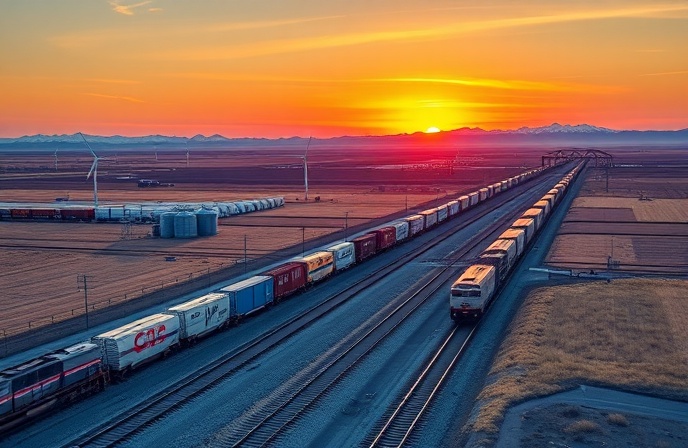
CPKC Shows Resilience in Second Quarter Performance
Introduction
In a landscape marked by economic uncertainties and fluctuating freight demands, Canadian Pacific Kansas City (CPKC) has demonstrated remarkable financial fortitude. Who: CPKC, a significant North American railway, What: exhibited a resilient financial performance. When: This performance was observed during the second quarter. Where: Across its extensive rail network spanning Canada, the United States, and Mexico. Why: Several strategic initiatives and market dynamics contributed to this outcome. How: This article will delve into the key factors behind CPKC’s success in the second quarter, providing an in-depth analysis for industry professionals.
This article will explore the core drivers of CPKC’s robust financial results in Q2, analyzing the interplay of operational efficiency, network optimization, and market responsiveness that have allowed the railway to navigate prevailing economic headwinds.
Operational Efficiency and Network Integration
The successful merger of Canadian Pacific and Kansas City Southern, finalized in 2023, continues to yield tangible benefits, as reflected in CPKC’s Q2 performance. This integrated network, the only railway connecting Canada, the U.S., and Mexico, allows for streamlined operations and increased efficiency. Specifically, the integration of operating systems and improved resource allocation have driven down operating ratios, a critical metric of profitability in the railway industry. These enhancements were crucial in enabling the railway to transport substantial volumes of diverse commodities across North America while managing escalating input costs like fuel and labor.
Strategic Commodity Mix and Market Dynamics
CPKC’s strategic diversification of its commodity mix also contributed significantly to its resilience. The railway strategically focused on commodities like grain, energy, and intermodal traffic, effectively mitigating the impact of downturns in specific sectors. Strong grain harvests in key regions and robust demand for energy products across North America bolstered rail volumes. Furthermore, CPKC’s intermodal services benefited from ongoing efforts to optimize transit times and improve supply chain efficiencies, enabling it to capture a larger share of the market. This diverse portfolio ensured the railway’s operational stability.
Innovations in Track Maintenance and Infrastructure Optimization
Investment in preventative maintenance and infrastructure upgrades played a crucial role in supporting CPKC’s operational performance. The railway continued to deploy innovative track maintenance technologies to minimize disruptions and improve network reliability. These include advanced inspection systems, which enhance the speed and accuracy of identifying potential track faults, and strategic deployment of track gangs for timely repairs. By proactively addressing infrastructure needs, CPKC minimized service disruptions and maximized its network’s capacity, contributing to its financial stability and customer satisfaction.
North American Trade and Regulatory Environment
The evolving trade landscape between Canada, the United States, and Mexico also shaped CPKC’s performance. The USMCA (United States-Mexico-Canada Agreement) and other trade agreements fostered increased cross-border freight volumes. CPKC, with its unique network advantages, was ideally positioned to capitalize on these trends. The railway demonstrated its ability to navigate evolving regulatory environments across all three countries, including adherence to safety standards and environmental regulations, which further strengthened its ability to operate efficiently across the combined network. These factors played a part in the railway’s ability to perform during the quarter.
Conclusion
CPKC’s robust financial performance in the second quarter underscores the effectiveness of its strategic vision. The successful integration of its network, coupled with operational efficiencies, a diversified commodity mix, and investments in infrastructure have equipped CPKC with the resilience required to navigate challenging economic conditions. These results send a positive signal to industry observers that the company is positioning itself to generate solid results in the years to come. Going forward, CPKC is strategically positioned to capitalize on increased trade volumes and optimize its operational efficiencies. In the face of fluctuating market dynamics, the company is likely to further refine its strategy. The railway’s continued success will depend on its ability to adapt to trade dynamics, implement additional efficiencies, and continue delivering a reliable transportation solution. This period of sustained and strategic investment should benefit CPKC and the industry as a whole.
Company Summary
Canadian Pacific Kansas City (CPKC) is a major North American Class I freight railway operating a 21,400-mile (34,400 km) rail network across Canada, the United States, and Mexico. Formed through the merger of Canadian Pacific Railway and Kansas City Southern, CPKC offers a unique network, connecting major ports, agricultural regions, and industrial centers. The railway is a significant transporter of grain, energy products, and intermodal freight, linking markets across North America.
RELATED POSTS

March 3, 2025 5:49 pm
The Rail Baltica project represents a significant undertaking in European...

September 18, 2015 11:30 am
The public procurement agency of Kocaeli Metropolitan Municipality has given...

September 7, 2025 11:36 am
Sound Transit's Federal Way Link light-rail extension opens Dec 6,...

July 24, 2025 12:33 pm
Hungarian railway network sees Stadler FLIRT trains hit 300M km...

August 14, 2018 9:21 pm
VTG Aktiengesellschaft wisely rejected Morgan Stanley's undervalued takeover bid, prioritizing...

October 13, 2015 7:42 am
Bombardier Transportation has secured two new mass transit projects, expanding...