
CONNECT NEC 2035: $117B Rail Revolution

The Northeast Corridor (NEC), a vital transportation artery connecting major cities from Washington, D.C., to Boston, is poised for a transformative overhaul. The Northeast Corridor Commission (NEC Commission) has unveiled CONNECT NEC 2035 (C35), a comprehensive, $117 billion, 15-year plan designed to modernize and expand rail infrastructure along this crucial corridor. This ambitious undertaking encompasses nearly 150 projects and capital renewal activities, aiming to significantly improve passenger experience, enhance safety and reliability, and foster economic growth across the region. This article delves into the key aspects of the C35 plan, exploring its multifaceted objectives, the involved stakeholders, and the potential impact on the future of rail travel in the Northeast. The plan’s success hinges on securing multi-year funding commitments from both federal and state governments to ensure the predictable allocation of resources necessary for large-scale infrastructure projects and workforce development. The implications for commuters, the environment, and the regional economy are profound, making C35 a pivotal initiative for the future of transportation in the United States.
Modernizing Aging Infrastructure
A core component of C35 is the extensive renewal and modernization of existing infrastructure. Decades of deferred maintenance have left many sections of the NEC in need of significant upgrades. This includes track replacement, signal system improvements (to enhance safety and operational efficiency), and the rehabilitation of bridges and tunnels – critical components for reliable and high-speed rail operations. This large-scale infrastructure overhaul aims to enhance the overall performance and reliability of the NEC, minimizing delays and disruptions caused by aging equipment and infrastructure deficiencies. The plan’s investment in modern signaling technology is paramount, potentially enabling the implementation of more sophisticated train control systems, facilitating increased train frequency and speed while enhancing safety protocols.
Expanding Capacity and Service Enhancements
Beyond infrastructure renewal, C35 prioritizes expanding rail capacity to meet the growing demand for passenger transport. This involves investments in new track, platforms, and stations to accommodate larger trains and increased service frequency. The plan specifically targets increasing Amtrak NEC service by 33% and doubling service for numerous commuter railroads. The introduction of new “one-seat ride” services from New Jersey, New York, and Connecticut directly into Penn Station New York will significantly improve commuter convenience and reduce travel times. This expansion of service will not only cater to the current ridership but also aims to attract new commuters, significantly reducing reliance on road transport and easing congestion in major metropolitan areas.
Investing in New Rolling Stock and Sustainable Technologies
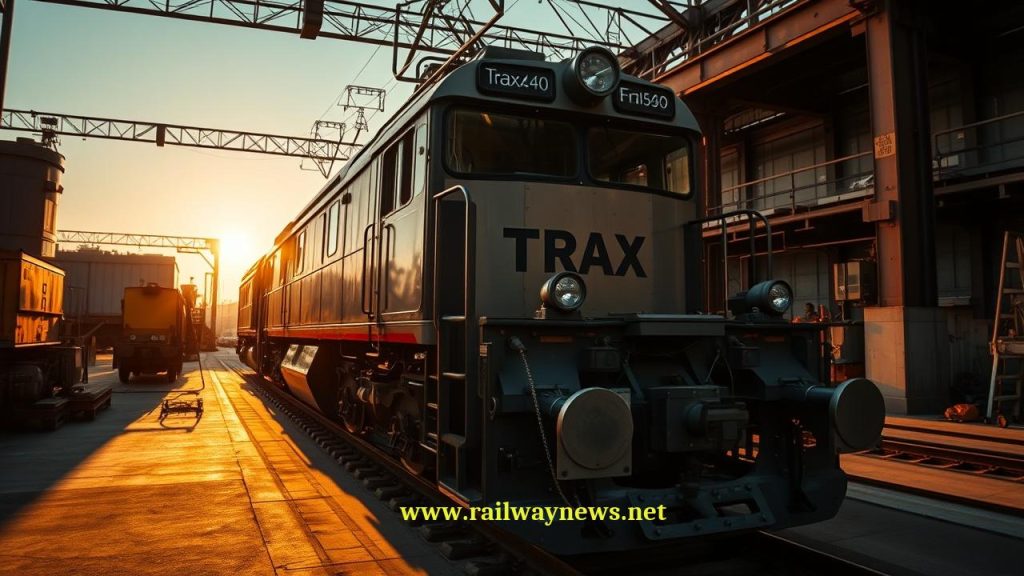
C35 includes significant investment in new rolling stock (trains), specifically battery-electric multiple units (BEMUs) and electric multiple units (EMUs). The initial order consists of 13 BEMUs and 6 EMUs, showcasing a commitment to modern, efficient, and environmentally friendly transportation. The shift towards electric trains is a crucial step towards reducing the NEC’s carbon footprint and aligns with broader sustainability goals. The introduction of BEMUs, in particular, expands the operational flexibility of the system, potentially enabling service on lines not currently electrified. This investment reflects a long-term vision for a cleaner and more efficient rail system, reducing greenhouse gas emissions equivalent to millions of car trips annually.
Economic Development and Job Creation
The C35 plan is not merely about improving transportation; it’s also a significant economic development initiative. The project is expected to create approximately 1.7 million new job opportunities across various sectors, from construction and engineering to manufacturing and maintenance. This significant job creation potential will stimulate economic activity in communities along the NEC, providing a boost to regional economies and strengthening the workforce. Furthermore, improved transportation links fostered by the C35 initiative are anticipated to attract new businesses and investments, further driving economic growth and development within the region. The enhancement of inter-city connectivity will greatly facilitate regional economic integration and collaboration.
Conclusion
The CONNECT NEC 2035 plan represents a bold vision for the future of rail transportation in the Northeast. This $117 billion investment addresses critical infrastructure needs, significantly expands service capacity, and promotes sustainable transportation practices. The plan’s comprehensive approach, encompassing infrastructure modernization, service enhancements, rolling stock upgrades, and economic development, aims to transform the NEC into a more efficient, reliable, and environmentally friendly transportation network. The success of C35 hinges on securing the necessary funding and ensuring effective collaboration among the various stakeholders involved – federal and state governments, commuter rail agencies, and Amtrak. However, if successfully implemented, C35 promises to significantly enhance the mobility of millions of commuters, stimulate regional economic growth, and reduce the environmental impact of transportation. The plan’s focus on sustainable technologies and the creation of thousands of new jobs demonstrate a commitment to long-term economic and environmental sustainability. Ultimately, C35’s success will not only reshape the Northeast Corridor’s transportation infrastructure but will also establish a model for future large-scale rail development projects across the nation, setting a new benchmark for efficiency, sustainability, and economic growth in the rail sector.
RELATED POSTS
April 1, 2026 6:21 pm
Federal Transit Administration awarded $20.6 billion in formula-based apportionments to...
April 1, 2026 8:40 pm
BNSF Railway expands Galesburg, Illinois, yard capacity, with second hump...
April 1, 2026 12:10 pm
Alstom secured a €410 million contract from CFR SA to...
April 1, 2026 4:31 pm
Network Rail upgraded Berrylands station platforms for £6 million, replacing...
April 2, 2026 8:35 am
Alstom secured a €22 million contract with Mazovia Railways for...
April 2, 2026 10:30 am
Adif launched a €484,700 tender for the design of the...