
China’s HSR: A Global High-Speed Rail Model?
High-speed rail is revolutionizing global travel, offering a sustainable alternative to air. Learn the key drivers and challenges behind this transformative transportation network.

The Impact of High-Speed Rail on Global Transportation Networks
This article delves into the profound effects of high-speed rail, particularly focusing on its impact on global transportation networks. High-speed rail (HSR) systems are rapidly reshaping the landscape of intercity travel, offering a compelling alternative to air travel and traditional rail lines. From improved passenger experience and reduced environmental impact to the complex challenges of infrastructure development and integration into existing systems, HSR presents a multifaceted challenge and opportunity. This analysis will explore the key drivers behind HSR adoption, assess its economic and social consequences, and examine the logistical intricacies involved in managing such extensive rail networks. The evolving role of HSR in supporting regional economies and its impact on urban development will also be discussed, with a specific focus on the implications for global connectivity.
Infrastructure Development and Operational Challenges
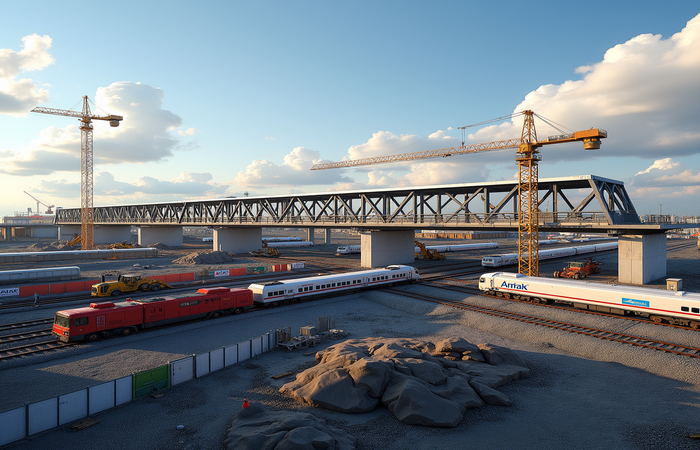
Implementing HSR projects demands significant upfront investment in sophisticated infrastructure. This includes the construction of high-speed railway lines with specialized track configurations, tunnels, bridges, and stations. Essential components such as signalling systems, power supply infrastructure, and maintenance facilities must also be carefully considered. Operational challenges extend beyond infrastructure, encompassing the management of complex scheduling, punctuality, and maintenance requirements. Integration with existing rail networks and interoperability standards also present substantial logistical hurdles. Different countries and regions often have unique standards and infrastructure specifications, which can create difficulties in seamless interconnectivity between HSR systems.
Economic and Social Impacts of HSR
High-speed rail significantly impacts economic landscapes. It fosters economic growth by facilitating the movement of goods and people, promoting tourism, and supporting industries dependent on efficient transportation. The construction and operation of HSR projects generate employment opportunities, stimulate local economies, and attract investment. This can revitalize existing infrastructure, revitalize declining areas and support regional economies. Socially, HSR provides significant improvements in commuting times for passengers and contributes to reduced traffic congestion in major cities, improving overall quality of life for residents.
The Case of China High-Speed Rail: A Global Model?
China’s high-speed rail network stands as a prominent example of HSR development. Its ambitious infrastructure projects, massive scale, and rapid deployment have garnered global attention. The Chinese government’s support and investment played a crucial role in the rapid expansion of the network. China’s experience offers important lessons for other countries seeking to implement HSR projects. The Chinese model, while successful, also presents challenges in terms of balancing rapid development with environmental considerations, infrastructure maintenance, and potential overcapacity in certain regions. The long-term sustainability of such a large and complex network, and the challenges of integrating it with other transport modes needs careful consideration.
You might be interested in:
Last December 2018, we published an article about Greater Anglia’s elimination of first-class and its impact on passenger capacity. Click here to read – Greater Anglia’s First-Class Removal: A Capacity Boost?
Conclusions: Shaping the Future of Global Transportation
In conclusion, high-speed rail represents a transformative force in modern transportation. It is a crucial component in addressing the growing need for efficient, sustainable, and convenient intercity travel. The infrastructure development challenges, however, must be meticulously addressed. While China’s high-speed rail project offers a remarkable model, careful planning and execution are crucial. Integrating HSR into existing transportation networks, balancing economic gains with environmental concerns, and ensuring long-term sustainability are paramount. The profound economic and social ramifications must also be carefully considered. Efficient and effective integration into existing infrastructure, alongside effective maintenance schedules and rigorous safety protocols are essential components of successful high-speed rail implementation. Ultimately, high-speed rail’s ability to redefine global connectivity and improve quality of life will depend on addressing these challenges thoughtfully and comprehensively.
RELATED POSTS
June 18, 2025 7:01 am
PANYNJ starts $160M Newark Airport rail project, boosting accessibility to...

August 4, 2025 10:33 pm
Network Rail CEO Jeremy Westlake to speak at Railway Industry...
May 14, 2019 7:00 pm
Revolutionize rail yard inspections with drone technology and AI! ...
November 1, 2018 7:17 pm
The Port of Los Angeles' rail yard expansion boosts efficiency...

December 14, 2016 7:54 pm
Alstom, the Auvergne Rhône-Alpes region and SNCF inaugurated the first...

September 19, 2023 8:51 pm
UIC Leaflet No: 739 – Chapter 7 – Way and...