
Cambridge South Station: Rail, Growth, & Sustainability
Cambridge South station: £200M project (early 2026), 1.8M annual passengers, 300 jobs. Supports Biomedical Campus growth & East-West Rail sustainability goals.
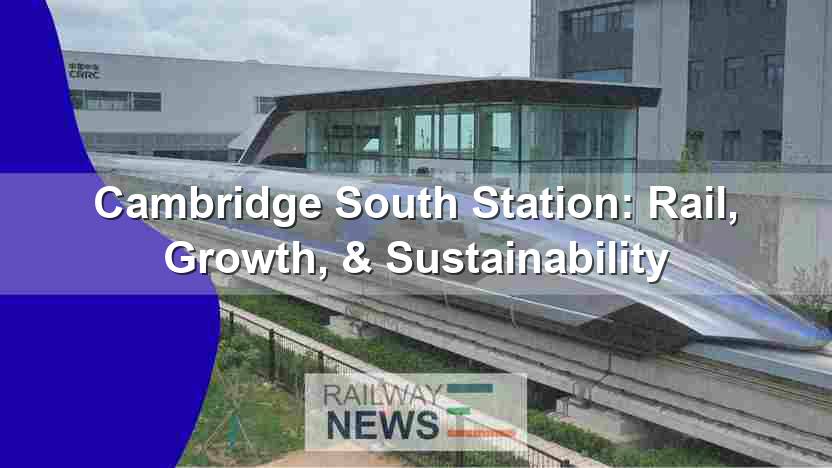
This article focuses the construction of Cambridge South station, a significant development within the UK’s expanding rail network. The £200 million project, funded by the UK Government, is a key component of the East-West Rail (EWR) route, aiming to connect Oxford and Cambridge. The station’s strategic location on the Cambridge Biomedical Campus underscores its importance not only for improved regional connectivity but also for supporting economic growth and sustainable development within a leading scientific hub. The project’s multifaceted nature, encompassing job creation, environmental benefits, and enhanced accessibility, will be analyzed, highlighting the complexities and potential impacts of large-scale rail infrastructure projects. We will delve into the planning stages, the engineering challenges, the anticipated economic benefits, and the long-term vision for integrated transport in the region.
Planning and Design: A Collaborative Effort
The Cambridge South station project exemplifies a collaborative approach to rail infrastructure development. Initial visualizations were released in 2020 by Network Rail, showcasing a four-platform station designed for full accessibility. This commitment to accessibility is crucial for ensuring equitable access to the rail network for all users. The project’s extensive planning phase involved various stakeholders, including the Department for Transport (DfT), Network Rail, the East West Rail (EWR) Company, and the East West Rail Alliance. This collaborative effort ensured the integration of the station into the broader EWR project and addressed potential environmental and societal impacts. The Transport and Works Act order, issued in December 2022, signified the culmination of the rigorous planning process, paving the way for construction to commence.
Construction and Economic Impact
Construction of Cambridge South, commenced in 2023, is projected to create approximately 300 jobs in the Cambridge area, providing a significant boost to the local economy. The station’s anticipated annual ridership of 1.8 million passengers further underscores its potential economic contribution. This influx of commuters and visitors is expected to stimulate local businesses and contribute to the overall economic vitality of the region. Beyond direct employment, the improved connectivity facilitated by the station will enhance the region’s attractiveness to businesses, research institutions, and skilled workers, creating a ripple effect of positive economic outcomes. The station’s strategic location on the Cambridge Biomedical Campus directly supports the campus’s sustainability goals by reducing reliance on private vehicles and lowering carbon emissions.
Sustainability and Environmental Considerations
The project incorporates a strong emphasis on sustainability. Kristin-Anne Rutter, executive director at Cambridge Biomedical Campus Limited, highlighted the significance of reducing air pollution and easing traffic congestion. The shift towards increased rail travel is anticipated to mitigate the environmental impact associated with car dependency. The EWR route itself aims to provide a more sustainable transportation alternative, connecting major cities and towns while reducing reliance on air travel and road transportation for long-distance journeys. The integration of sustainable design elements into the station’s architecture and infrastructure will further enhance its environmental credentials.
The Broader Context: East-West Rail and Regional Connectivity
Cambridge South station forms a crucial part of the wider East-West Rail (EWR) project. This ambitious initiative aims to enhance connectivity between Oxford and Cambridge, significantly improving regional transportation links. The project’s phased rollout, with work beginning in 2018, demonstrates the long-term commitment to improving rail infrastructure across the region. The EWR project’s impact extends beyond the immediate benefits of Cambridge South, creating a more integrated and efficient transportation system that facilitates economic growth and improved quality of life across a wide geographical area. The completion of the EWR line will foster stronger economic links between major towns and cities, including Milton Keynes, Bedford, and Cambourne. The success of the Cambridge South station is thus intrinsically linked to the overall success and effective implementation of the broader EWR project.
Conclusions
The construction of Cambridge South station represents a significant milestone in the development of the UK’s rail network. This £200 million project, a key component of the East-West Rail (EWR) line, is not merely about building a new station; it is about fostering sustainable economic growth, enhancing regional connectivity, and creating a more environmentally friendly transportation system. The collaborative planning process, involving various stakeholders, ensured the integration of the station within the broader EWR project and addressed potential environmental and economic impacts. The projected job creation, the anticipated increase in passenger numbers, and the reduction in reliance on road transportation all point towards the station’s significant contribution to the region’s economic and environmental landscape. The station’s commitment to full accessibility ensures equitable access to the rail network for all users, further emphasizing its value within the broader social fabric. The successful completion of Cambridge South by 2025, as planned, will mark a significant success for the EWR project and serve as a model for future rail infrastructure development, emphasizing the synergistic relationship between effective planning, sustainable design, and positive societal impact. The station’s contribution extends beyond its immediate function; it symbolizes a commitment to improving regional connectivity, stimulating economic growth, and promoting a greener, more accessible future for all.

Transport and railway industry editor covering global rail infrastructure, sustainable mobility, urban transit systems and next-generation railway technologies with a focus on accessible and industry-focused reporting.
RELATED POSTS

October 1, 2026 7:09 am
United States regulators confirmed a September 30 deadline for the...

October 4, 2026 5:14 pm
Alstom secured a CA$4.7 billion order from VIA Rail Canada...
October 1, 2026 10:14 am
HS2 installed a 55-metre steel span in Birmingham, completing phase...

October 1, 2026 11:14 pm
CATS confirmed a six-mile streetcar route in Charlotte to add...
October 1, 2026 11:13 am
Norfolk Southern expanded its 3B Corridor in Alabama in 2025,...

October 1, 2026 1:12 pm
CSX expanded Queensgate Yard in Cincinnati by installing 42 power...