
Brightline Train Deaths: Melbourne Crossing Crisis
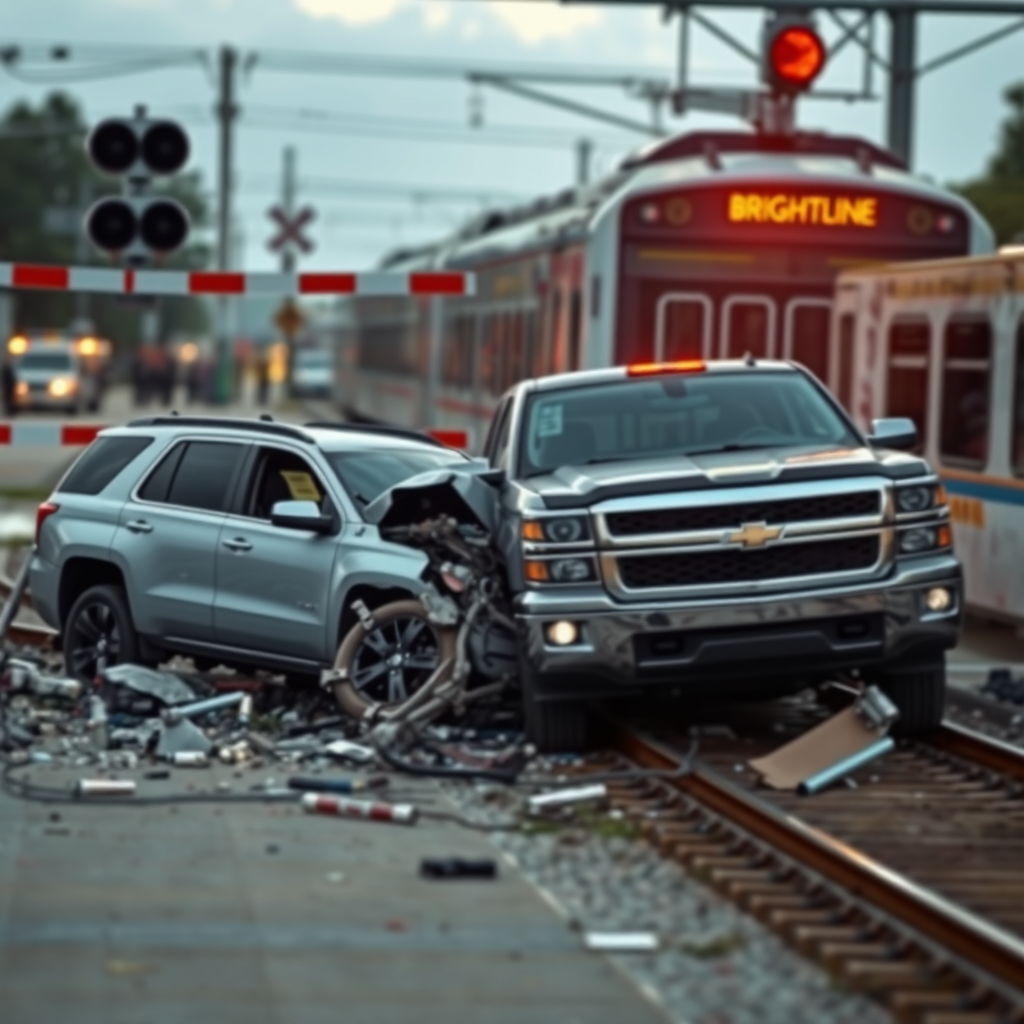
Analysis of Fatal Brightline Train Collisions in Melbourne, Florida
This report analyzes two fatal collisions involving Brightline passenger trains and vehicles at a grade crossing in Melbourne, Florida, in January 2024. The National Transportation Safety Board (NTSB) preliminary investigation reveals a disturbing pattern of drivers circumventing fully activated crossing gates, leading to catastrophic consequences. These incidents highlight critical shortcomings in grade crossing safety, prompting a deeper examination of contributing factors and potential preventative measures. The analysis will explore the circumstances surrounding each collision, the role of human error, the effectiveness of existing safety systems, and potential improvements to railway and road infrastructure aimed at eliminating similar incidents. Ultimately, the goal is to identify systemic issues and recommend strategies for enhanced grade crossing safety, protecting both rail passengers and road users.
Incident Details and Analysis
On January 10th, 2024, a Honda SUV disregarded a fully lowered gate at the W. H. Jackson Street and South Harbor City Boulevard crossing and collided with a northbound Brightline train traveling at approximately 109 km/h (68 mph). The driver was killed, and three passengers suffered serious injuries. The SUV drove around a vehicle already stopped at the crossing gate before proceeding onto the tracks.
Two days later, on January 12th, 2024, a Chevrolet Avalanche pickup truck repeated the same reckless maneuver. The truck, ignoring the lowered gate and activated warning signals, entered the crossing and was struck by a southbound Brightline train traveling at approximately 125 km/h (78 mph). Both the driver and passenger in the truck were fatally injured.
In both instances, the drivers actively chose to ignore clearly visible and audible warnings, highlighting a critical failure in human behavior as a significant contributing factor. The consistent disregard for safety protocols at the same crossing raises questions about the effectiveness of existing safety measures and the need for enhanced driver education and enforcement.
Systemic Issues and Safety Technology
While human error was a direct cause in both accidents, the investigation must examine the broader systemic factors that may have contributed. The NTSB investigation will assess the effectiveness of the existing warning systems at the crossing, including the functionality of the gates, lights, and bells. The inquiry will also explore the potential benefits of advanced Intelligent Transportation Systems (ITS), such as active warning systems that automatically detect approaching vehicles and adjust warning times based on their speed. Furthermore, the adequacy of signage and road design leading up to the crossing will be evaluated.
Consideration should be given to implementing technologies such as preemptive warning systems for drivers approaching grade crossings. This could involve systems that communicate with vehicles directly, providing real-time alerts about impending trains. The implementation of advanced collision avoidance systems on both trains and vehicles should also be considered.
Role of Railway Operators and Regulatory Oversight
Brightline, as the railway operator, and Florida East Coast Railway, as the infrastructure provider, have a crucial role in ensuring grade crossing safety. The investigation will examine their adherence to safety regulations, their maintenance procedures for crossing equipment, and the effectiveness of their training programs for train operators. Regulatory bodies, such as the Federal Railroad Administration (FRA), have a responsibility to enforce safety standards and ensure adequate oversight of railway operations. The investigation will assess whether existing regulations are sufficient and whether enforcement mechanisms are effective in preventing such incidents.
Recommendations for Enhanced Safety
The investigation’s findings should inform a comprehensive set of recommendations aimed at preventing future grade crossing accidents. These recommendations should include improvements to existing safety systems, increased driver education and enforcement, and the implementation of advanced technologies, including ITS and active warning systems. A review of the design of the crossing itself might also reveal opportunities for improvements, such as increased visibility or changes to the roadway layout. Increased public awareness campaigns to educate drivers about the dangers of ignoring grade crossing signals and the severe consequences are also critical. Furthermore, rigorous testing and validation of any new safety technology are necessary to ensure its effectiveness before widespread deployment.
Conclusion
The two fatal Brightline train collisions in Melbourne, Florida underscore a critical need for enhanced grade crossing safety measures. The investigation’s preliminary findings clearly indicate that driver behavior was a primary factor, with drivers repeatedly ignoring clearly visible and audible warnings. However, this should not overshadow the need for a thorough examination of systemic issues, including the effectiveness of existing safety technologies and the role of railway operators and regulatory bodies. The investigation’s final report and resulting recommendations must address not only the immediate causes of these tragic events but also the underlying contributing factors. A multi-faceted approach encompassing improved warning systems, driver education and enforcement, technological advancements, and infrastructure improvements is crucial to prevent similar incidents in the future. Ultimately, saving lives depends on a proactive, comprehensive strategy that prioritizes safety above all else. The NTSB’s ongoing investigation is vital in providing the data-driven analysis needed to inform effective policy changes, ensuring safer railways and protecting both rail passengers and road users. The implementation of these recommended changes will require collaboration between railway operators, regulatory bodies, and local authorities. Failure to act decisively and comprehensively risks repeating this tragedy.
RELATED POSTS
November 9, 2025 3:54 pm
Expert:Ports of Indiana secures over $140,000 in FEMA **port security...
Wabtec and the Pittsburgh Steelers announce a strategic partnership, featuring...

USDOT's $22.5M investment in California's SMART rail extension showcases successful...
August 3, 2018 1:28 pm
The UK's £300 million investment in rail accessibility is transforming...

June 10, 2025 10:00 pm
Norfolk Southern sets record for Chesapeake Bay restoration, using a...

October 17, 2025 5:54 pm
CSX completed the Howard Street Tunnel project and critical infrastructure...