
BNSF-CSX: Buffett’s Denial & North American Rail M&A Outlook
Buffett denies BNSF’s CSX acquisition, quashing rumors. Railway merger speculation cools.
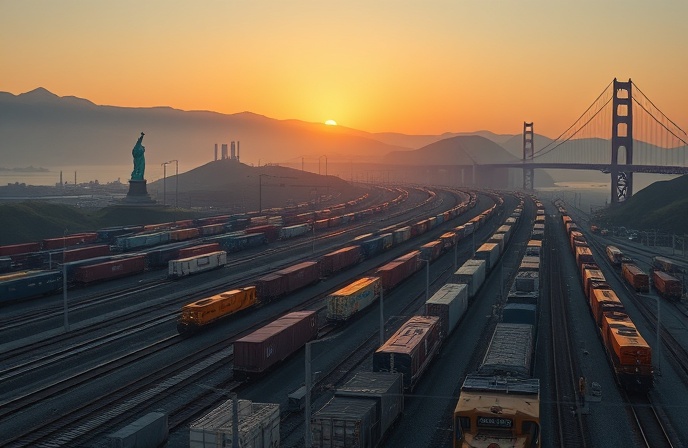
Buffett Shoots Down CSX Acquisition Rumors, Refutes Goldman Sachs Involvement
In a surprising turn of events, Berkshire Hathaway Chairman and CEO Warren Buffett has unequivocally denied reports suggesting BNSF Railway Co., a Berkshire subsidiary, is pursuing an acquisition of CSX. The denial, delivered during an interview on CNBC today, directly contradicts recent speculation fueled by reports from Semafor and Reuters. The core of the matter revolves around a potential strategic move within the North American rail network, particularly in response to ongoing merger talks between rival railroads Union Pacific Railroad (UP) and Norfolk Southern Railway (NS). The supposed involvement of Goldman Sachs in advising BNSF on a CSX takeover has been explicitly dismissed by Buffett. The denial underscores the complexities and sensitivities surrounding potential mergers within the highly regulated and competitive rail industry. This article will delve into the implications of Buffett’s statement, analyze the current landscape of railway mergers and acquisitions (M&A), and consider the future outlook for the North American freight rail market.
Denial and the Players Involved
The central figure in this developing story is Warren Buffett, the Chairman and CEO of Berkshire Hathaway, and by extension, the de facto head of BNSF. During the CNBC interview with Becky Quirk, Buffett stated that he, and Greg Abel (who will succeed Buffett as Berkshire CEO at the end of this year), had received no communication from Goldman Sachs regarding any CSX acquisition. This denial directly challenges reports citing anonymous sources. The implication is clear: if true, these reports are either based on misinformation or are simply speculative. CSX, a major Class I railroad operating primarily in the Eastern United States, would be a significant acquisition target, making such a move a substantial undertaking. The potential for such a move stems from strategic decisions aimed at optimizing rail networks and strengthening market positions in a highly competitive industry.
The Competitive Landscape of Railway Mergers
The railway industry is characterized by a consolidation trend, driven by efficiency gains and network optimization. The Surface Transportation Board (STB), the U.S. government agency with jurisdiction over rail, has historically scrutinized mergers, making them complex and lengthy processes. The recent reports suggesting UP and NS were in early merger discussions highlight the ongoing interest in M&A activity. The possible consolidation in the industry is driven by the potential for increased efficiency, improved service, and reduced operating costs through economies of scale and network synergies. The potential acquisition of CSX would be a significant strategic move by BNSF, potentially reshaping the Eastern and Western rail networks. This would require the STB’s approval. The current M&A climate suggests a cautious approach from industry players, navigating regulatory hurdles and market dynamics.
Regulatory Oversight and Financial Implications
Any acquisition of CSX by BNSF, or any other major merger, would be subject to rigorous scrutiny by the STB. The STB’s primary concerns typically revolve around competition, service levels, and the overall impact on shippers and the national economy. This regulatory landscape significantly influences the potential for, and the structure of, any railway M&A deal. Financially, a CSX acquisition would require a massive capital outlay, potentially impacting Berkshire Hathaway’s investment strategy. The due diligence phase, the valuation of CSX, and the negotiation process with the STB would all entail substantial costs and delays. This raises the financial risk of such a merger.
Industry Reactions and Future Outlook
Buffett’s swift denial has likely calmed initial market speculation. Other railroads are now on the sidelines waiting for the next shoe to drop. The emphasis on the role of the STB and its regulatory framework underscores the challenges and delays involved in any potential railway merger. While the current climate favors caution, the competitive pressure to optimize networks and capture market share will persist. The key is how the rival railroads react to the possibility of merger and the impact of Buffett’s statement. The future outlook for the North American rail freight market will depend on the actions of Class I railroads and the stance the STB takes, as well as the state of the U.S. economy. Increased efficiency and service are a necessity in a competitive industry. This is also tied to the ongoing trends, such as the rise of intermodal transport and the changing needs of shippers.
Conclusion
Warren Buffett’s denial of BNSF’s interest in CSX, along with the absence of Goldman Sachs involvement, has created a clear point in the railway landscape. The denial casts doubt on the validity of recent media reports and highlights the complexities inherent in the railway industry. The industry will remain focused on regulatory oversight of the Surface Transportation Board, as well as market competition and efficiency gains. Any major M&A activity faces significant hurdles, making the railway industry a highly complex environment. Looking ahead, continued innovation, infrastructure improvements, and regulatory pressures will be important. The actions of industry leaders will shape the future of North American freight rail and how they react to one another.
Company Summary
BNSF Railway Co. BNSF is one of North America’s largest freight railroad networks, operating across 28 states and two Canadian provinces. It carries a wide variety of commodities, including agricultural products, consumer goods, and industrial materials. BNSF is a wholly-owned subsidiary of Berkshire Hathaway, the diversified holding company controlled by Warren Buffett. BNSF’s extensive network and its efficiency are crucial to the U.S. supply chain.
CSX CSX is a Class I freight railroad operating primarily in the Eastern United States. It transports a variety of goods and commodities. The company plays a vital role in the transportation of raw materials, manufacturing and distributing finished products.
RELATED POSTS

July 27, 2025 1:33 pm
Union Pacific and Norfolk Southern are in merger talks, raising...

July 3, 2017 11:50 am
Here are a few options for a voiceover-friendly excerpt:**Option 1...
April 25, 2016 9:36 pm
Germany-based braking systems manufacturer Knorr-Bremse has secured a contract from...
May 2, 2021 2:40 am
The Alstom Coradia Stream: Modernizing Italy’s Regional Rail Network This...
January 25, 2023 5:44 pm
Introduction: This article explores the recent inauguration of two new...

October 9, 2025 1:54 am
Construction begins on a new **AirTrain** at Newark Liberty Airport!...