
TfL Decarbonises Depot: First Fossil-Fuel-Free Tram Site Unveiled
TfL’s Therapia Lane depot decarbonises, eliminating gas with electric heat pumps and solar. Cutting 183 tonnes of CO2 annually, setting a retrofit blueprint.
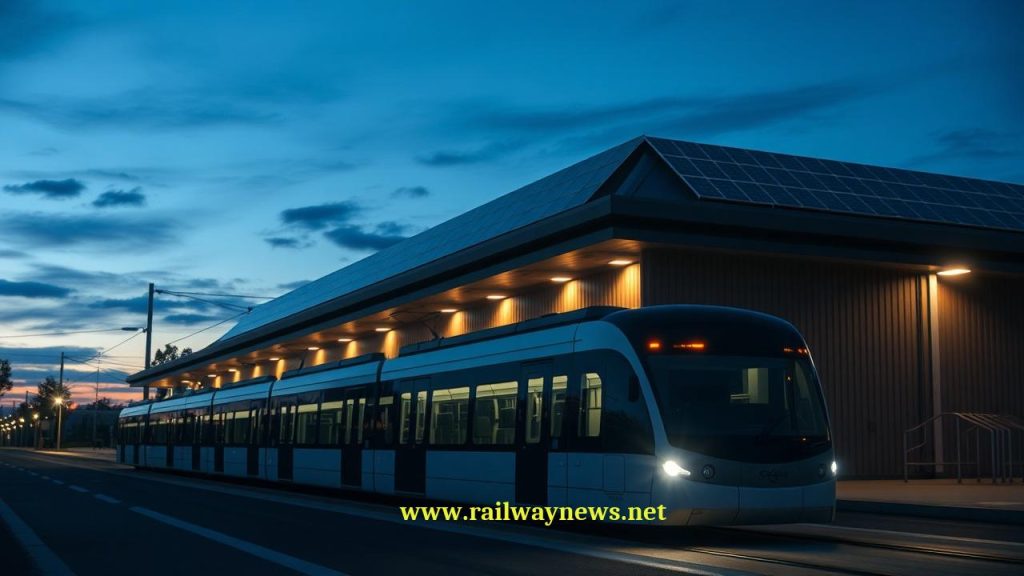
Transport for London (TfL) has successfully decarbonised its Therapia Lane tram depot, making it the first in its portfolio to completely eliminate fossil fuel gas usage through a comprehensive overhaul of its heating and power systems. The landmark project, which combines electric heat pumps with a 187 kWp rooftop solar array, is set to cut carbon emissions by approximately 183 tonnes annually and establish a scalable blueprint for retrofitting critical operational infrastructure across the UK.
| Category | Details |
|---|---|
| Project | Therapia Lane Depot Decarbonisation |
| Operator | Transport for London (TfL) |
| Key Technologies | Electric Heat Pumps, Infrared Panel Heaters, 1,800m² Solar Panels (187 kWp), LED Lighting |
| Annual Carbon Savings | Approximately 183 tCO2e |
| Funding Partners | Public Sector Decarbonisation Scheme (Salix), Public Sector Low Carbon Skills Fund |
In its most significant upgrade since opening 27 years ago, the South London depot has replaced its aging gas boilers with a modern, all-electric heating system. This includes a range of low-carbon air source heat pumps and strategically placed infrared panel heaters that target work areas to maximize efficiency and minimize ambient heat loss. The modernization, carried out by supplier Vital Energi in a live 24/7 operational environment, also includes energy-efficient on-demand electric water heaters, improved insulation, and a full transition to LED lighting, creating a brighter and more comfortable workplace. Lilli Matson, TfL’s Chief Safety Health & Environment Officer, stated the project shows “it is possible to eliminate the use of fossil fuels from large, complex buildings” and supports the Mayor’s goal of a carbon-neutral capital by 2030.
The transition to electric heating significantly increases the site’s electricity demand, a challenge addressed by the installation of 1,800m² of rooftop solar panels capable of generating 187 kWp of clean energy. This on-site generation helps offset the new consumption load and reduces reliance on the grid. While specific details of the heat pumps at Therapia Lane were not disclosed, industry data suggests that the equipment for large-scale air-to-water heat pump systems typically costs around €500,000 per megawatt of installed capacity. These advanced systems are highly efficient and can be designed with features like large hot water storage tanks, providing operational flexibility by allowing heat to be stored when electricity prices are low and used during peak times.
The Therapia Lane project serves as a crucial pilot for TfL’s broader decarbonisation strategy. Lessons learned will inform efforts to decarbonize other depots and operational buildings across the network. This initiative is part of a wider push that includes major upgrades at TfL’s head office, Palestra House, which are expected to cut emissions by over 1,500 tonnes annually. Furthermore, TfL is advancing large-scale renewable energy procurement through a Power Purchase Agreement for a new solar farm and a tender for private wire connections to power the London Underground directly, demonstrating a multi-faceted approach to achieving its net-zero ambitions.
Key Takeaways
- Blueprint for Retrofitting: The project proves that aging, critical rail depots can be fully decarbonised while remaining operational, providing a model for other transport authorities.
- Integrated Energy System: Success relies on a holistic approach, combining efficient electric heating with on-site renewable generation (solar) and energy-saving measures like LED lighting and insulation.
- Green Skills Development: The project actively addresses the industry’s green skills gap by providing net-zero placements for apprentices and graduates, building the future workforce required for the net-zero transition.
Editor’s Analysis
The decarbonisation of the Therapia Lane depot is more than a local environmental win; it is a globally significant case study in tackling the stubborn challenge of emissions from existing operational infrastructure. Rail operators worldwide are grappling with legacy assets powered by fossil fuels. This project demonstrates a commercially and technically viable pathway to retrofit these facilities without disrupting essential services. By integrating on-site generation with modern electric heating, TfL is not just cutting its carbon footprint but also de-risking its operations from volatile gas markets. This strategic move sets a benchmark for the industry, proving that the transition to net-zero is achievable not just for new builds, but for the vast and complex network of existing depots that form the backbone of urban transport.
Frequently Asked Questions
- What makes the Therapia Lane depot’s upgrade significant?
- It is TfL’s first operational depot to completely remove fossil fuels (natural gas) by transitioning to an all-electric infrastructure for heating and hot water, powered in part by on-site solar panels. It serves as a blueprint for decarbonizing similar complex, 24/7 operational sites.
- How is the new, higher electricity consumption managed?
- The increased electricity demand from the new heat pumps and electric heaters is offset by two key measures: on-site generation from 1,800m² of new solar panels and a significant reduction in overall energy use through efficiency upgrades like LED lighting and improved insulation.
- What are the expected benefits of this project?
- The primary benefit is an annual reduction of approximately 183 tonnes of CO2e emissions. Additional benefits include long-term operational cost savings, a more comfortable and modern working environment for staff, and the development of green skills through apprentice training programs.
RELATED POSTS

August 29, 2013 8:35 am
Five international engineering and consulting groups have submitted technical proposals...

November 4, 2020 1:04 pm
The Impact of COVID-19 on Open-Access Rail Operators: A Case...
April 6, 2021 12:11 am
This article examines the termination of the Kuala Lumpur-Singapore High-Speed...
November 26, 2018 4:36 pm
Sydney Metro's massive $1 billion railway expansion is underway! ...
May 14, 2017 6:10 pm
Here's a voiceover-friendly excerpt for railway professionals:"Network Rail's £29.8 million...
January 24, 2021 2:05 am
This article examines the significant undertaking of installing ballastless track...