
Sydney Metro: $1B Contract Awarded, Transforming Commutes
Sydney Metro’s massive $1 billion railway expansion is underway! Learn how CPB Contractors-UGL JV is tackling this complex undertaking.
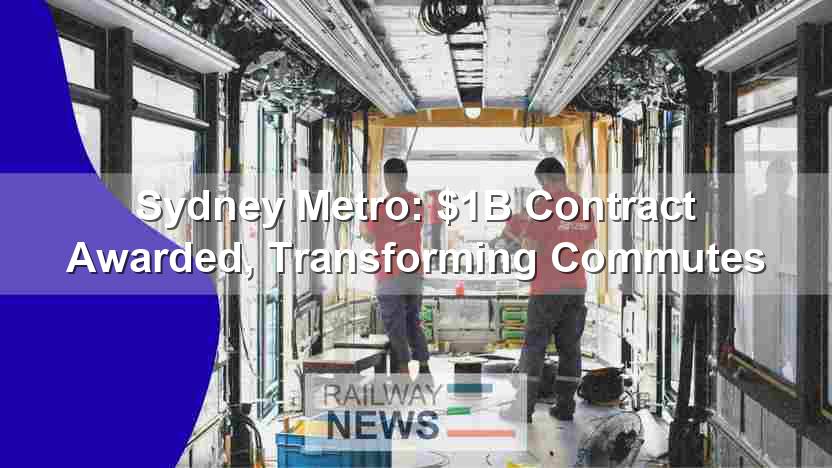
This article explores the significant A$1.376 billion (approximately US$1 billion) contract awarded to the Systems Connect joint venture (JV) – a partnership between CPB Contractors and UGL – for the expansion of Sydney’s metro railway system. The contract represents a crucial step in the Sydney Metro City & Southwest project, focusing on transforming newly constructed tunnels into a fully operational railway line. This undertaking encompasses a wide array of complex engineering feats, including track laying, power system installation, signaling infrastructure deployment, and the integration of various support systems. The project’s scale and complexity highlight the challenges and advancements in modern large-scale infrastructure development, particularly within the demanding urban environment of a major city like Sydney. We will explore the scope of the project, the technical challenges involved, the implications for Sydney’s transportation network, and the broader context of large-scale infrastructure projects globally.
Scope of the Sydney Metro City & Southwest Expansion
The Systems Connect JV’s responsibilities extend across a significant portion of the Sydney Metro City & Southwest project. The contract specifically covers the equipping of the twin tunnels running between Chatswood and Sydenham for operational use. This involves laying approximately 31 kilometers of track within these tunnels. A critical element of the project is the installation of the overhead power supply system, requiring the construction of 11 substations to ensure reliable power distribution along the entire route. Additionally, extensive tunnel service cabling will be installed to support communications, signaling, and other essential systems. The JV is also tasked with connecting the existing Chatswood line to the new city lines, expanding the existing Rouse Hill train facility, and constructing a new facility at Marrickville. The project also includes installation of vital tunnel infrastructure, including ventilation, drainage, and monitoring systems across the seven underground stations.
Technical Challenges and Solutions
Executing a project of this magnitude within a densely populated urban environment presents numerous technical challenges. Precise coordination is essential to minimize disruption to existing infrastructure and surrounding communities. The installation of the overhead catenary system (OCS) in confined tunnel spaces requires specialized equipment and highly skilled personnel. Similarly, integrating the new metro lines seamlessly with existing railway networks necessitates careful planning and precise execution. The project requires advanced tunnel boring machine (TBM) technology and specialized equipment for track laying and substation construction within the tunnels. Effective project management and risk mitigation strategies are crucial for successful completion within the stipulated timeframe and budget.
Impact on Sydney’s Transportation Network
The Sydney Metro City & Southwest project, including this significant contract, is expected to significantly improve Sydney’s public transportation infrastructure. The extension of the metro line to Bankstown will provide enhanced connectivity to the city’s southwestern suburbs, reducing travel times and easing congestion on existing transport networks. Increased capacity and improved frequency of services are anticipated, offering commuters a more efficient and reliable transportation option. The project aims to alleviate pressure on the existing road network, contributing to reduced traffic congestion and improved air quality. The expanded network will also foster economic growth in the areas served by the new metro line by providing improved access to employment opportunities and commercial centers.
Broader Implications for Large-Scale Infrastructure Projects
The Sydney Metro City & Southwest project serves as a case study for large-scale infrastructure development. The project’s success hinges on effective collaboration between government agencies, contractors, and other stakeholders. The procurement strategy, risk management techniques, and overall project execution offer valuable lessons for future projects. The project’s impact on job creation, economic stimulus, and improved quality of life for the residents of Sydney provides a blueprint for responsible and sustainable infrastructure development. The meticulous planning and execution required for such a complex project highlight the importance of robust engineering, technological innovation, and effective project management in realizing large-scale infrastructure ambitions globally. The successful completion of this project will have widespread implications for similar infrastructure initiatives in other urban centers around the world.
Conclusions
The awarding of the A$1.376 billion contract to the Systems Connect JV marks a significant milestone in the development of Sydney’s metro railway system. This substantial investment underlines the commitment of the New South Wales Government to enhancing the city’s transport infrastructure. The project’s scope, encompassing track laying, power system installation, signaling, and other crucial components, represents a complex undertaking that will transform the newly constructed tunnels between Chatswood and Sydenham into a fully operational railway line. The successful completion of this project will significantly improve Sydney’s public transportation network, providing enhanced connectivity, increased capacity, and more reliable services for commuters. The technical challenges overcome, from working within constrained urban environments to integrating new infrastructure with existing systems, showcase the importance of innovative engineering solutions and meticulous project management. The positive economic impacts, including job creation and stimulation of economic growth in the region, further highlight the societal benefits of investing in robust public transportation infrastructure. This project sets a precedent for future large-scale infrastructure developments, emphasizing the crucial roles of collaboration, planning, and technological advancement in creating sustainable and efficient transportation solutions in cities across the globe. The lessons learned from the Sydney Metro City & Southwest project are invaluable for future endeavors of this scale, offering a template for responsible, effective, and economically beneficial infrastructure investments worldwide. The project’s ultimate impact extends beyond immediate transportation improvements; it shapes the future of urban development, sustainable transport solutions, and the overall quality of life in Sydney.

Railway infrastructure, rolling stock and transport technologies specialist focused on global rail industry developments, high-speed rail systems, signaling technologies and freight transportation. Covering railway investments, public transport modernization, rail operations and international mobility projects across Europe, Asia and North America.
RELATED POSTS
September 6, 2026 5:19 am
Hitachi delivered Taiwan's first N700ST high-speed train from Japan in...

September 5, 2026 4:19 pm
CPK launched formal tender talks with four consortia to design...

September 5, 2026 7:14 pm
HS2 Ltd signed renegotiated civils contracts with EKFB and Align...

September 6, 2026 4:12 am
Alstom delivered the first of 100 new G Class trams...
September 6, 2026 1:17 am
Hitachi Toshiba Supreme Consortium confirmed the first of 12 N700ST...
September 6, 2026 6:17 am
Hungary ordered a national ban on most freight trains from...