
TRAXX Locomotive: Optimizing Global Rail Efficiency
Maximize railway efficiency and safety with optimized track layouts, advanced signaling, and modern locomotives. Discover how these improvements streamline operations and reduce costs.

Optimizing Railway Infrastructure for Enhanced Efficiency and Safety
Railway infrastructure plays a crucial role in the global transportation network, facilitating the movement of goods and passengers across vast distances. This article delves into the critical aspects of optimizing railway infrastructure, focusing on enhancing efficiency and bolstering safety standards. Modernizing track layouts, signal systems, and maintenance protocols are key to achieving these goals. Efficient freight movement is vital for global trade and economic growth, and improving passenger rail networks enhances accessibility and quality of life for millions. From streamlined operations to advanced safety technologies, the railway industry is constantly evolving to meet these demanding needs. This exploration examines the interplay of technological advancements and operational strategies in shaping a more robust and reliable rail network.
Modernizing Track Layouts and Maintenance Protocols
Optimized track layouts are paramount for efficient train operations. Modern designs incorporate sophisticated algorithms for grade alignment and curve geometry, minimizing friction and maximizing train speeds. Moreover, proactive maintenance schedules, incorporating predictive analytics, are critical for preventing costly track disruptions. This involves employing advanced sensor technologies to monitor track conditions and predict potential problems, allowing for preemptive repairs before significant damage occurs. Implementing these strategies ensures the smooth flow of trains, reduces maintenance costs, and guarantees the safety of passengers and freight.
Implementing Advanced Signaling Systems
Modernizing signaling systems is essential for enhancing safety and operational efficiency. Advanced signaling technologies, such as Automatic Train Protection (ATP), allow for precise control of train speed and spacing, significantly reducing the risk of collisions and derailments. Implementing these systems often involves upgrading existing infrastructure and incorporating new technologies like radio-based communications. This ensures seamless train movement along the track, minimizing delays and enhancing overall safety, and enables real-time communication between trains and control centers. Upgrades to interlocking and communication systems improve operational efficiency. The use of centralized control systems further optimizes track occupancy and improves scheduling.
The Role of Advanced Locomotives in Enhanced Performance
The performance of locomotives directly impacts the efficiency of railway operations. Advanced locomotive designs, such as the TRAXX locomotive, feature superior power-to-weight ratios, enabling them to haul heavier loads with greater efficiency. These locomotives often incorporate advanced technologies for fuel efficiency, minimizing environmental impact and operational costs. Improvements in power transmission and braking systems also enhance reliability and decrease downtime. Crucially, the reliability and fuel efficiency of these locomotives translate to substantial cost savings for operators.
Conclusion: A Multifaceted Approach to Railway Optimization
Optimizing railway infrastructure requires a multifaceted approach encompassing various aspects of the system. Modernizing track layouts and maintenance protocols enhances operational efficiency and reduces downtime. Implementing advanced signaling systems ensures safety and smooth train movements. The role of advanced locomotives, such as the TRAXX locomotive, in improving hauling capacity and fuel efficiency further enhances the overall performance. These measures contribute significantly to cost savings and create a robust and reliable transportation system. Overall, the integration of technology with meticulous operational strategies fosters a significant improvement in railway efficiency and safety. This includes reducing delays, optimizing freight movement, improving passenger experience, and minimizing the environmental footprint. By prioritizing safety and efficiency, railway operators can enhance their market competitiveness while contributing to the economic prosperity of the regions they serve. Ultimately, a commitment to modernization and technological advancement is key to maintaining a robust and future-proof rail network.
You might be interested in:
Last April 2019, we covered VRE’s Positive Train Control (PTC) implementation and how it improves rail safety nationwide. Click here to read – VRE’s PTC Success: Safer Commuter Rail
RELATED POSTS

November 5, 2013 1:47 pm
CNR Equipment Engineering, a subsidiary of CNR Dalian, has contracted...
August 1, 2020 7:52 pm
This article explores the significant contribution of Wagners Precast to...
October 23, 2023 12:40 pm
The Metropolitan Transportation Authority (MTA)’s Five-Year Financial Plan: A Balancing...
May 28, 2025 8:01 pm
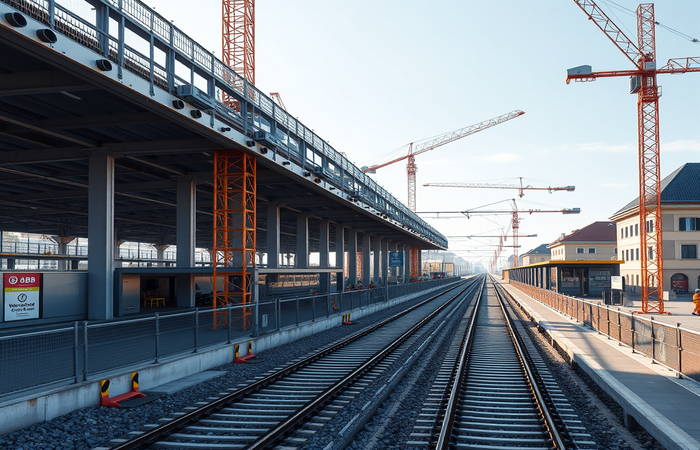
ÖBB-Infrastruktur Launches Wiener Neustadt Central Station Expansion ÖBB-Infrastruktur Launches Wiener...
November 18, 2025 10:54 am
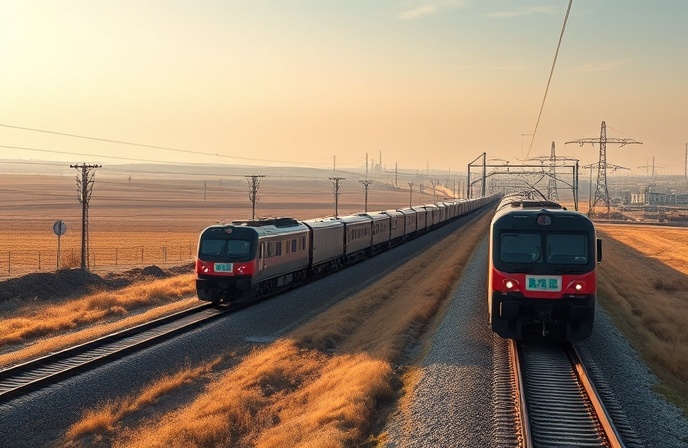
Alstom and Ukrainian Railways finalize a contract for 55 Traxx...
September 24, 2025 7:55 am
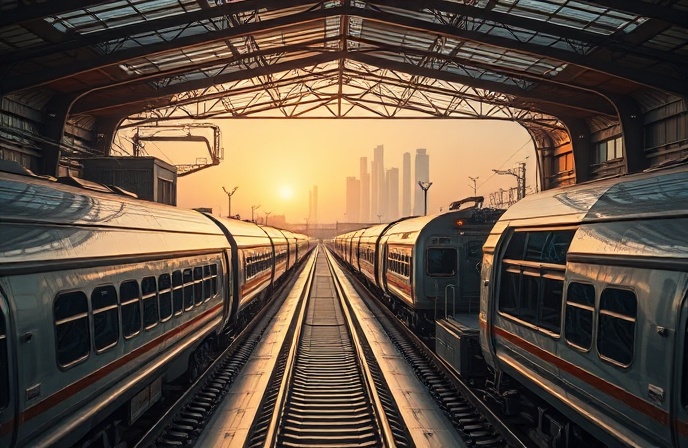
Zonegreen showcases its DPPS depot protection system at the Global...