
Alstom in Kazakhstan: Digital Rail Tech Boosts KTZ Efficiency
Alstom’s new Kazakh signalling center boosts railway digitalization, modernizing Kazakhstan Temir Zholy. Advanced tech and local expertise drive efficiency and safety.
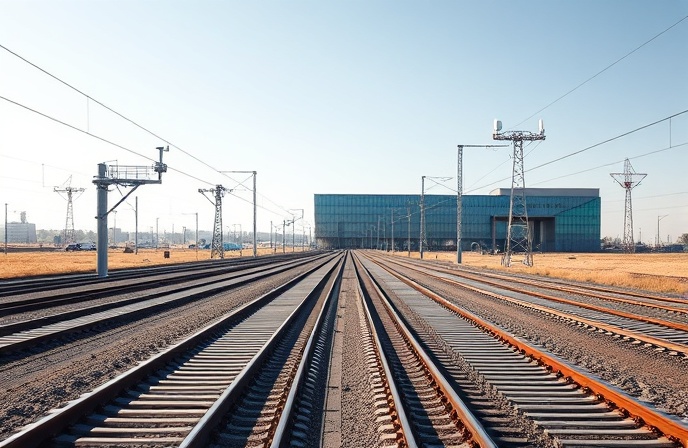
Alstom Opens Signalling Centre in Kazakhstan, Boosting Railway Digitalization
Astana, Kazakhstan – August 7, 2025 – Alstom, a global leader in smart and sustainable mobility, has inaugurated its first signalling competence centre in the Commonwealth of Independent States (CIS) region. This strategic move, located in Astana, marks a significant step in Kazakhstan’s railway modernization efforts. The new facility aims to provide technical support, develop customized signalling solutions, and train local specialists to meet the operational needs of Kazakhstan Temir Zholy (KTZ), the national railway company. Why? To facilitate the digital transformation of Kazakhstan’s rail network, enhancing efficiency and safety. How? Through the implementation of advanced signalling technologies and the fostering of local engineering expertise. This article will delve into the centre’s key functionalities, the impact on KTZ, and Alstom’s broader commitment to railway advancement in the region.
A Hub for Signalling Solutions
The Astana Signalling Centre is designed to be a comprehensive resource for KTZ. It will focus on the development, adaptation, and integration of cutting-edge signalling solutions, ensuring the efficient management of train movements. A critical function will be supporting the maintenance of existing signalling systems and modernising legacy assets. The centre will also be instrumental in creating technical documentation for KTZ projects, conducting certification activities in accordance with Technical Regulations of the Customs Union (TR TS 003/2011), and providing training to operational teams. This multifaceted approach guarantees a holistic support system for the national railway, ensuring the long-term operational effectiveness and reliability of its infrastructure. The centre’s key offering is Alstom’s Onvia Lock, a vital interlocking technology already deployed at 85 KTZ stations, ensuring safe and efficient train routing.
Boosting Local Expertise: Training and Development
A core objective of the Astana centre is to cultivate local expertise within Kazakhstan’s railway sector. Alstom will actively recruit and train Kazakhstani engineers specializing in software and system development. This initiative is pivotal for transferring knowledge and building a sustainable, skilled workforce. The centre will serve as a dedicated training hub, equipping specialists with the skills necessary to manage, maintain, and develop the advanced signalling technologies that are being implemented across the KTZ network. This commitment to localized training aligns with KTZ’s strategic goals, promoting self-sufficiency and enhancing the railway’s long-term operational capabilities. JSC NC KTZ chief engineer Ramazan Sadyrkulov underscored the significance of this initiative, stating that the centre directly reflects the agreements established between KTZ and Alstom during President Kassym-Jomart Tokaïev’s visit to France, and that KTZ is providing necessary support.
Collaboration and Innovation: A Global Network
The Astana centre is not operating in isolation; it is strategically connected to Alstom’s global “innovation” network. This vital link facilitates collaboration with international experts, academic institutions, and public stakeholders. This integration allows for the continuous exchange of knowledge and the advancement of rail technologies within Kazakhstan. The centre will have access to the latest research, best practices, and technological advancements from across Alstom’s global operations. This collaborative environment will enable the adaptation of innovative solutions to the specific needs of the Kazakhstani railway, ensuring that KTZ benefits from cutting-edge technologies and expertise. This collaboration is crucial for maintaining the momentum of digital transformation and enhancing the overall efficiency and safety of the rail network.
Conclusion
Alstom’s new signalling competence centre in Astana signifies a landmark investment in Kazakhstan’s railway infrastructure and the broader CIS region. This initiative goes beyond simply providing technology; it is about fostering local expertise, promoting collaboration, and driving the digital transformation of the railway network. The centre’s comprehensive approach, from developing customized solutions to providing training and maintenance, strengthens KTZ’s operational capabilities and supports its long-term strategic objectives. This project also has wider implications for the railway industry, demonstrating the importance of partnerships between global leaders and national railway companies in advancing railway technology and infrastructure. The future outlook for the railway sector in Kazakhstan appears promising, with Alstom’s commitment to ongoing innovation and support, coupled with KTZ’s support. This collaborative effort could pave the way for new breakthroughs in railway technology and contribute to the region’s economic development.
Company Summary: Alstom
Alstom is a multinational rolling stock manufacturer operating in over 60 countries. The company provides railway products and services, including trains, signalling systems, infrastructure, and digital mobility solutions. Alstom is committed to sustainable mobility, offering a wide range of technologies and services to improve the performance, reliability, and safety of railway systems globally. Recent projects, like the €300 million+ contract with SYTRAL Mobilites to modernize Lyon’s Line D metro, highlight Alstom’s continuing innovation in signalling, automation, and passenger transportation systems.
RELATED POSTS
August 11, 2025 8:33 am
Poland's Container Terminal Mala to build intermodal terminal, boosting EU...

September 6, 2019 9:06 am
Introduction This article delves into the complexities surrounding the High-Speed...
April 23, 2022 3:04 am
This article examines the significant contract awarded to Alstom by...

November 19, 2016 8:41 am
The 1st major works contracts for HS2 worth around £900m...

July 9, 2025 12:33 am
LA Metro allocates $2.9B for local mobility projects, boosting transit...
December 22, 2021 5:29 am
This article examines the recently announced two-decade maintenance agreement between...