
Allegro’s 20-Year Rail Maintenance Deal: A New Standard

This article examines the recently announced two-decade maintenance agreement between VR FleetCare, Russian Railways (RZD), and Karelian Trains for the Allegro high-speed rail service connecting Helsinki and St. Petersburg. The agreement, a significant development in the field of railway lifecycle management, highlights the evolving partnerships and technological advancements within the international rail industry. The deal underscores the crucial role of effective maintenance strategies in ensuring the long-term operational efficiency and profitability of high-speed rail networks. We will explore the specifics of this agreement, analyzing its implications for the Allegro service, the participating companies, and the broader context of cross-border rail maintenance collaborations. We will also delve into the technological aspects of the maintenance program, focusing on the advancements and innovations enabling optimized train performance and enhanced passenger experience. Finally, we’ll consider the broader industry trends this agreement reflects, specifically focusing on the growing need for comprehensive lifecycle management solutions within the high-speed rail sector.
The Allegro High-Speed Rail Service and the Maintenance Agreement
The Allegro service, operating four daily round trips between Helsinki and St. Petersburg, represents a vital cross-border rail link. This three-and-a-half-hour journey relies heavily on the reliability and efficiency of its rolling stock. The newly signed agreement with VR FleetCare ensures the continued maintenance of the four seven-car Alstom-built electric trains. This twenty-year agreement, divided into two phases (eleven and nine years), demonstrates a significant commitment from all parties involved, highlighting the confidence in VR FleetCare’s capabilities and the importance of consistent, high-quality maintenance for a high-speed rail operation.
VR FleetCare’s Scope of Services
VR FleetCare’s responsibilities under this agreement extend beyond basic repairs. They encompass comprehensive lifecycle management, including material management, regular scheduled maintenance (RSM), unscheduled repairs, and proactive maintenance interventions to prevent potential failures. The company will provide detailed customer reporting to meet the clients’ needs. A planned future customer portal will allow real-time monitoring of train condition and maintenance activities, providing greater transparency and facilitating proactive decision-making regarding maintenance scheduling and resource allocation. This move towards digitalization reflects a larger trend in the railway industry to optimize maintenance operations and minimize downtime.
Strategic Partnerships and Cross-Border Collaboration
This agreement exemplifies successful cross-border collaboration within the railway sector. The long-standing partnership between Helsinki and St. Petersburg maintenance yards, now augmented by the long-term commitment of VR FleetCare, RZD, and Karelian Trains, ensures consistent service standards and operational continuity. The agreement highlights the importance of establishing robust, reliable partnerships for the successful operation of international rail services. The collaborative approach, focused on shared responsibilities and mutual benefits, serves as a model for other cross-border rail projects facing similar maintenance challenges. The success of this model underscores the value of strong partnerships built on trust and shared expertise.
Technological Advancements and Future Implications
The agreement not only ensures the maintenance of existing infrastructure but also implicitly supports technological advancements. The commitment to long-term maintenance allows for the incorporation of new technologies and upgrades to improve both train performance and passenger comfort. By establishing a reliable maintenance program over such a long timeframe, the partners can strategically implement upgrades and innovations without worrying about immediate replacement costs or service disruptions. The new customer portal, for instance, signifies a move towards a more data-driven and proactive approach to maintenance, further enhancing operational efficiency and improving the overall passenger experience.
Conclusions
The two-decade maintenance agreement between VR FleetCare, RZD, and Karelian Trains for the Allegro high-speed rail service marks a significant milestone in international rail collaboration and lifecycle management. The agreement demonstrates a clear commitment to long-term operational efficiency and the importance of proactive, comprehensive maintenance strategies. VR FleetCare’s extensive role, encompassing material management, regular and unscheduled maintenance, and the development of a real-time monitoring system, underscores the crucial role of integrated maintenance approaches in ensuring the success of high-speed rail projects. The partnership between Finnish and Russian entities highlights the value of cross-border collaboration in addressing the operational needs of international rail services. This agreement serves not only to maintain the Allegro service but also to establish a robust model for future collaborations within the global railway industry. The incorporation of technological advancements, evidenced by the planned customer portal, demonstrates a commitment to continuously improving efficiency and the passenger experience. The overall success of this agreement will depend on the continued effective collaboration of all participating parties, leveraging their combined expertise and shared commitment to ensuring the long-term reliability and operational excellence of the Allegro high-speed rail service. The implications extend beyond the Allegro service itself; this agreement sets a precedent for how such large-scale maintenance projects can be managed across international borders, contributing valuable insight for other high-speed rail projects worldwide.
RELATED POSTS

April 5, 2008 11:13 pm
Bombardier Transportation and Italian engineering company AnsaldoBreda’s rail subsidiary Finmeccanica...
December 15, 2018 12:22 pm
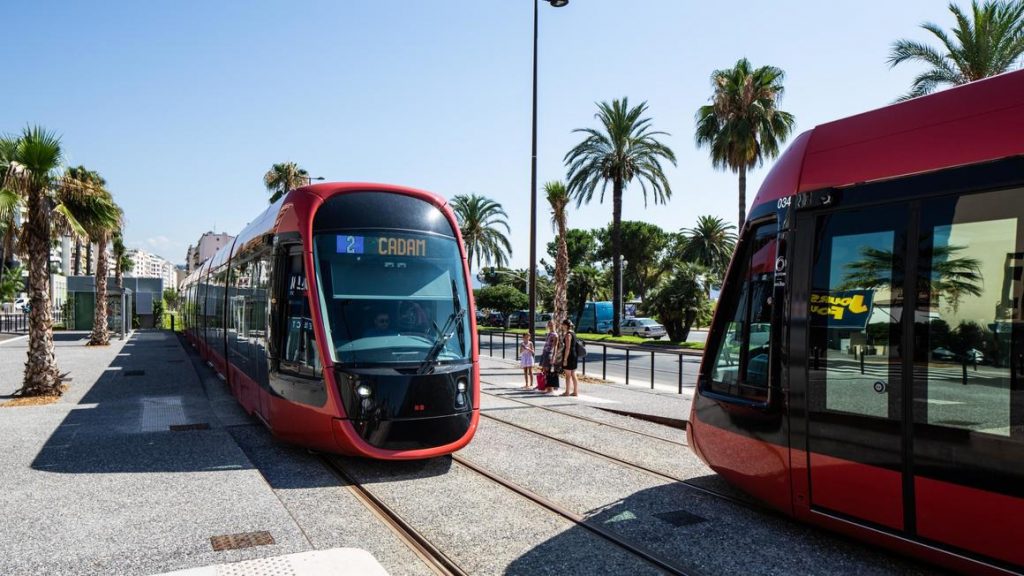
The Nice Côte d’Azur urban area’s west-east light-rail extension linking...
February 7, 2018 1:16 pm
Railway professionals, boost safety and efficiency with advanced technology like...
May 6, 2025 9:08 pm
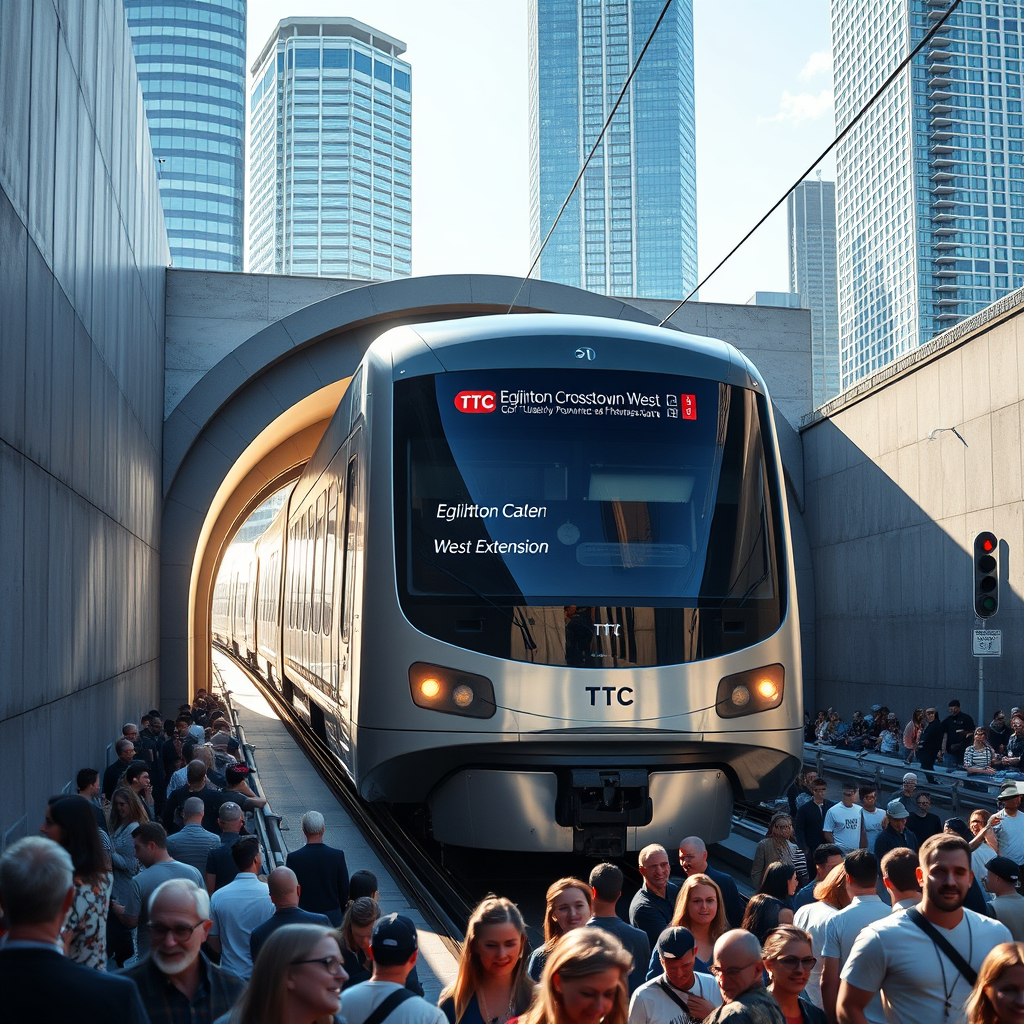
Introduction This article examines the significant advancements in the Eglinton...
May 28, 2025 8:00 pm
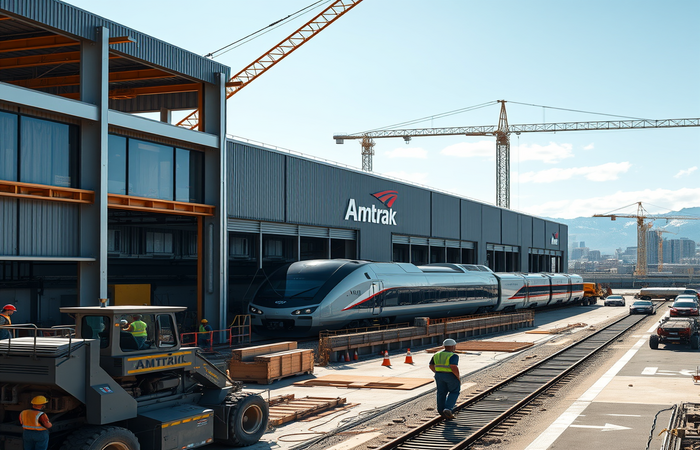
Amtrak’s (National Railroad Passenger Corporation) commitment to modernizing its infrastructure...
Despite a September dip, the **Port of Los Angeles** celebrates...