
Pan-European High-Speed Rail: Future of Sustainable Travel
Europe proposes massive high-speed rail network, connecting 39 cities by 2040. Sustainable travel, reduced emissions, and economic growth are key goals.
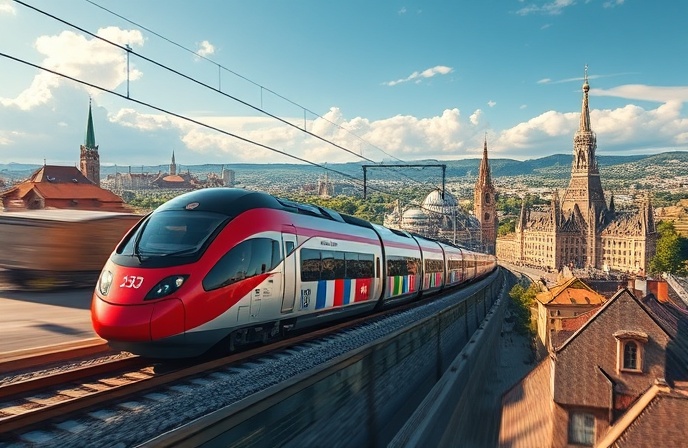
Ambitious High-Speed Rail Network Proposed to Transform European Travel
Copenhagen-based think tank 21st Europe has unveiled a groundbreaking proposal to revolutionize European transportation with a high-speed rail network, poised to become the world’s largest. The project, announced recently, envisions connecting 39 cities across 22 European countries by 2040. This ambitious undertaking aims to provide a frequent, fast, and affordable alternative to air travel, functioning much like a comprehensive metro system across the continent. The primary motivation behind this initiative is to promote sustainable travel options, reduce carbon emissions, and stimulate economic growth. The following sections delve into the project’s scope, technological considerations, economic potential, and associated challenges, setting the stage for a potential paradigm shift in European mobility.
Network Scope and Strategic Goals
The proposed high-speed rail network is designed to transcend national borders, linking major cities from the UK to Turkey and Ukraine. This interconnected system aims to create a seamless travel experience, enabling passengers to move between cities with ease, akin to navigating a city’s metro system. The project’s strategic goals extend beyond simple transportation; it’s intended to boost connectivity across Europe, addressing the growing demand for sustainable and efficient travel solutions. This initiative is a direct response to rising concerns about environmental impact and the need for alternatives to short-haul flights and private vehicle reliance. The network’s core principle is to provide a reliable, comfortable, and environmentally friendly alternative to existing modes of transport, fostering a shift towards a more sustainable transportation model across the continent.
Technological Innovations and Infrastructure Integration
The realization of this extensive network hinges on integrating advanced high-speed train technology. The plan anticipates trains capable of achieving speeds that make rail travel competitive with air travel, particularly for medium-distance journeys. While specific details regarding the rolling stock are still under development, the vision emphasizes compatibility with existing rail infrastructure wherever possible. This approach aims to streamline construction and minimize disruptions, reducing the overall impact on current operations and minimizing environmental impact during the construction phase. Furthermore, the project will likely necessitate significant advancements in signaling systems, track maintenance, and power supply infrastructure to ensure the efficient and reliable operation of such a large-scale network.
Economic and Environmental Impact Assessment
The project is poised to deliver substantial economic and environmental benefits. By encouraging a shift from air and car travel to rail, the network aims to significantly reduce greenhouse gas emissions, contributing to Europe’s climate goals. Economically, the project promises to generate numerous jobs during both the construction and operational phases. Improved connectivity is also expected to stimulate local economies by improving access to markets and fostering regional development. Furthermore, increased tourism is likely as travel becomes more accessible and convenient. The creation of jobs and enhanced economic activity along the railway routes is a key anticipated outcome.
Implementation Challenges and Considerations
Implementing this ambitious project presents several significant challenges. Securing adequate funding from multiple sources, including the European Union (EU) and individual member states, is critical. Coordinating construction and operations between numerous countries with differing regulations and standards will require meticulous planning and collaboration. Furthermore, the project must integrate with existing transportation systems, including airports, seaports, and local public transport, to provide a truly integrated and efficient network. Addressing environmental concerns along proposed routes and minimizing the impact on local communities during construction will also be essential. Careful consideration of these challenges is paramount to ensure project success.
Conclusion
21st Europe’s proposal for a pan-European high-speed rail network represents a bold vision for the future of transportation. The plan, if realized, promises to transform travel across the continent, offering a sustainable, efficient, and economically beneficial alternative to existing modes. The success of the project, however, hinges on overcoming significant challenges, from securing funding to coordinating across borders and integrating with existing systems. The railway industry, already evolving with advancements in technology and sustainable practices, could see a surge in demand for rolling stock, signaling systems, and maintenance services. This development creates opportunities for industry stakeholders to contribute to a greener, more connected Europe, potentially reshaping the global landscape of transportation infrastructure. The initiative underscores a shift in focus towards sustainable travel solutions and underscores the potential of high-speed rail to contribute to a more connected and environmentally friendly future.
RELATED POSTS
April 20, 2025 6:16 am
The Proposed Dresden-Prague High-Speed Rail Line: A Deep Dive into...

March 2, 2017 6:31 pm
Here's a voiceover-friendly excerpt:"Network Rail completed the Northallerton station platform...
September 15, 2025 11:55 am
HS2's Colne Valley Viaduct, UK's longest rail bridge, complete. ...
May 4, 2018 10:30 am
Slovenian Railways' €170 million investment in 26 new Stadler trains—FLIRT...

July 1, 2025 9:33 am
Network Rail's Project Reach aims to eliminate rail signal blackspots,...

October 6, 2025 2:54 pm
Stadler & FAL unveil Europe's first custom **battery-electric trains**! These...