
Dresden-Prague High-Speed Rail: Germany’s Longest Tunnel
The Proposed Dresden-Prague High-Speed Rail Line: A Deep Dive into Germany’s Ambitious Tunnel Project
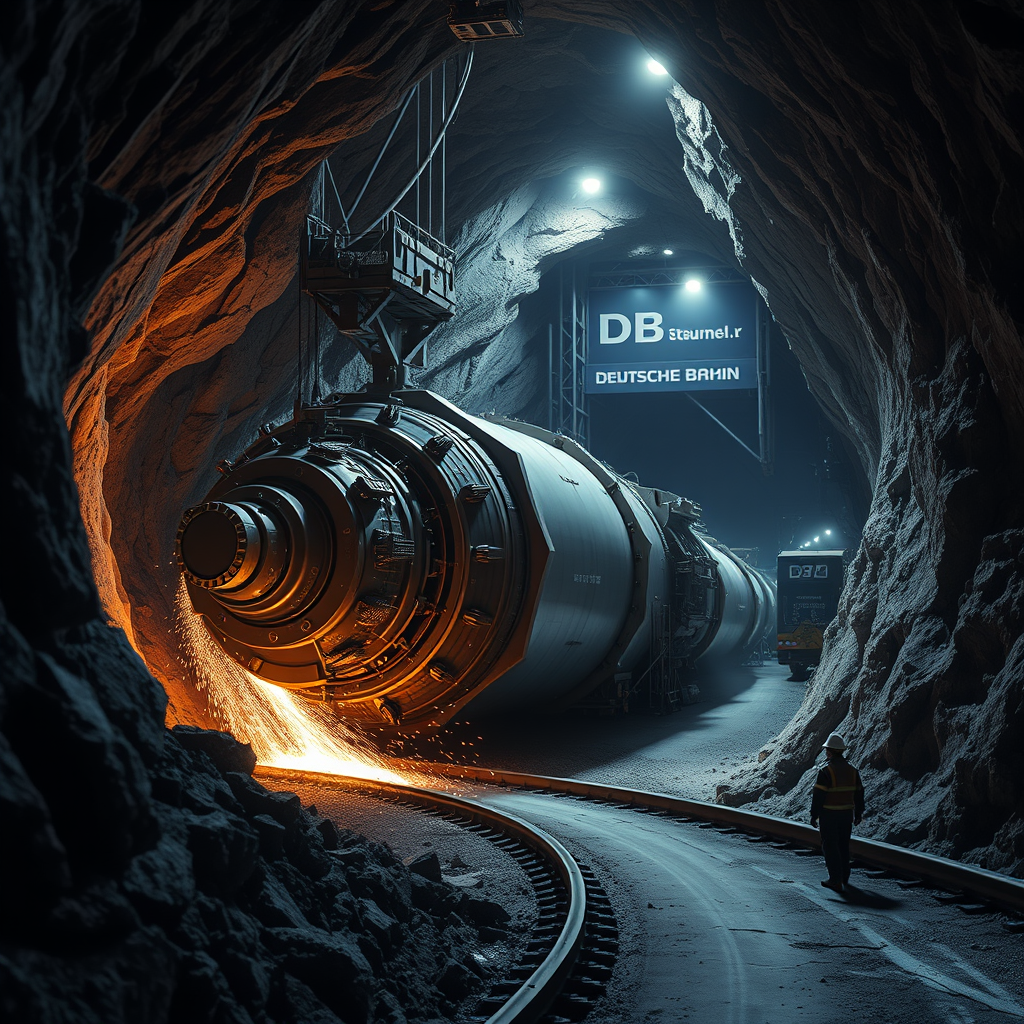
This article delves into Deutsche Bahn’s (DB) ambitious plan to construct Germany’s longest railway tunnel, a crucial component of a new high-speed rail line connecting Dresden and Prague. This 30km tunnel, traversing the Ore Mountains between Heidenau, Germany, and Ústí nad Labem, Czech Republic, promises a significant reduction in travel time – potentially halving the current journey duration. The project’s magnitude extends beyond simple infrastructure development; it involves complex geopolitical considerations, substantial environmental impacts, and immense logistical challenges. The ensuing discussion will explore the engineering feats required, the economic and social implications, the environmental considerations, and the projected timeline for this transformative undertaking. We will analyze the various factors influencing the project’s feasibility, timeline, and ultimate success, considering the potential for delays and the crucial role of stakeholder engagement.
Engineering Marvels and Technological Advancements
The proposed tunnel through the Ore Mountains represents a significant engineering challenge. The 30km length far surpasses Germany’s current longest rail tunnel, the 10.8km Landrückentunnel. The project necessitates advanced tunneling techniques, including potentially the use of Tunnel Boring Machines (TBMs) for efficient excavation. The construction will involve meticulous geological surveys to identify potential challenges such as unstable rock formations and groundwater ingress. Sophisticated ventilation systems and emergency escape routes will be critical for ensuring passenger safety within the extensive tunnel. Furthermore, the construction of two parallel tunnel tubes adds to the complexity, requiring precise alignment and coordination to ensure smooth train operations. The integration of advanced signaling and communication systems will be crucial for managing train traffic efficiently within the tunnel.
Economic and Geopolitical Implications
The Dresden-Prague high-speed rail line offers significant economic benefits for both Germany and the Czech Republic. Reduced travel times will facilitate increased passenger and freight traffic, boosting tourism and trade between the two countries. The project will stimulate economic growth in the regions it traverses, creating employment opportunities in construction, engineering, and related industries. Furthermore, the improved connectivity will strengthen the overall European transportation network, fostering closer economic ties across borders. The successful completion of this project will underscore the collaborative efforts of both nations and demonstrate their commitment to infrastructure modernization within the European Union.
Environmental Considerations and Sustainability
While offering significant economic advantages, the project’s environmental impact must be carefully considered. The construction process will inevitably generate substantial waste and emissions. Mitigation strategies, such as responsible waste management and the use of low-emission equipment, will be essential. DB’s commitment to using electric locomotives emphasizes the project’s focus on environmental sustainability, aiming to minimize the carbon footprint of rail operations. Comprehensive Environmental Impact Assessments (EIAs) are crucial to identify and address potential negative impacts on the local ecosystem and biodiversity. The integration of green technologies and sustainable practices throughout the project’s lifecycle will be vital in minimizing its environmental footprint.
Project Timeline and Stakeholder Engagement
The projected timeline for the project is ambitious. Construction is not expected to commence until 2032, with an estimated duration of 12 years. This highlights the complexity involved and the extensive planning required. DB’s commitment to engaging with local communities is vital for garnering public support and addressing any concerns. Open communication and transparent information sharing will help to build trust and ensure the project’s smooth implementation. Securing necessary permits and approvals from both German and Czech authorities will also be crucial steps in ensuring the project proceeds as planned. Potential delays due to unforeseen challenges, funding issues, or regulatory hurdles necessitate robust contingency planning.
Conclusions
The proposed Dresden-Prague high-speed rail line, featuring Germany’s longest railway tunnel, presents a transformative opportunity for both Germany and the Czech Republic. The project’s potential benefits are substantial, encompassing economic growth, improved connectivity, and strengthened international relations. However, realizing this ambitious vision requires meticulous planning, advanced engineering solutions, and a commitment to environmental sustainability. The success hinges on the effective management of logistical complexities, the careful consideration of environmental impacts, and proactive engagement with stakeholders. While the 2032 start date and 12-year construction period present a lengthy timeline, the long-term benefits – including reduced travel times, increased trade, and enhanced regional connectivity – far outweigh the considerable challenges. The project’s successful implementation will not only serve as a testament to German and Czech engineering prowess but will also significantly contribute to the modernization of European rail infrastructure. The crucial next steps include rigorous environmental impact assessments, thorough community consultation, and the securing of all necessary permits and funding. Only through a collaborative and transparent approach can this ambitious vision become a reality, shaping the future of rail travel in Central Europe. The substantial investment and time commitment underscore the transformative nature of this undertaking, making it a pivotal project for the region’s infrastructure development and long-term economic prospects.
RELATED POSTS
April 1, 2026 8:45 am
Renfe Alquiler finalized a 15-year lease for ex-DB coaches with...
April 1, 2026 12:10 pm
Alstom secured a €410 million contract from CFR SA to...
April 1, 2026 4:31 pm
Network Rail upgraded Berrylands station platforms for £6 million, replacing...