
Alstom: Chennai Metro Expansion: Rail Innovation & Future Trends
Alstom wins $182M contract for Chennai Metro Phase II expansion, featuring 96 driverless metro cars. Project boosts India’s railway sector.
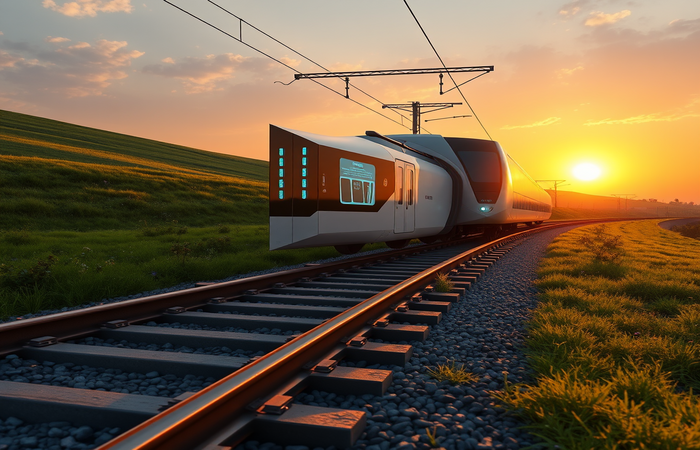
Alstom Secures $182 Million Contract for Chennai Metro Expansion
Alstom, a global leader in smart and sustainable mobility, has been awarded a €135 million (approximately $182.5 million) contract by Chennai Metro Rail Limited (CMRL) to design, manufacture, supply, test, and commission 96 Metropolis driverless metro cars. This significant project will contribute to the Phase II expansion of the Chennai Metro in Tamil Nadu, India. The contract was announced on June 9, 2025. The project is a key component of CMRL’s ongoing efforts to modernize and expand its urban rail network, enhancing connectivity and improving the passenger experience. The new trains, designed for a total of 32 three-car trainsets, will operate across three corridors, spanning approximately 119 kilometers, with 76 kilometers elevated and 43 kilometers underground. This article delves into the specifics of the contract, its impact on Chennai’s metro system, and the implications for Alstom and the broader Indian railway market.
Advanced Rolling Stock for Enhanced Capacity
The core of the contract involves the delivery of 32 metro trainsets, each comprising three cars, totaling 96 driverless metro cars. These Metropolis trains, designed specifically for the Chennai Metro, are engineered to accommodate approximately 900 passengers per trainset. The design of these trains emphasizes passenger comfort and safety, incorporating features like “unique” aesthetics and high safety standards. Furthermore, the trains support multiple operational modes and include train-to-train and train-to-track evacuation systems, enhancing safety protocols. The trains will be manufactured in Sri City, Andhra Pradesh, adhering to the ‘Make in India’ initiative, demonstrating Alstom’s commitment to supporting local manufacturing. This commitment includes a post-warranty maintenance agreement lasting 15 years, which includes cleaning services, obsolescence management, and the maintenance of depot plant and machinery, ensuring the long-term reliability and efficiency of the fleet.
Local Manufacturing and Design: A Make in India Focus
A crucial aspect of this project is the ‘Make in India’ strategy. The Metropolis trains will be designed at Alstom’s engineering centre in Bengaluru, Karnataka. The manufacturing will be conducted at Alstom’s facility in Sri City, Andhra Pradesh. This localization not only supports the Indian government’s initiative to promote domestic manufacturing but also creates local jobs and fosters technological expertise within the country. Alstom’s strategic approach underscores its commitment to invest in India’s infrastructure and contribute to the growth of the Indian railway sector. The company’s existing infrastructure in the region, including its design and manufacturing capabilities, will be leveraged to efficiently execute this project. The previous experience of manufacturing rolling stock for Chennai Metro’s Phase I, where Alstom supplied 208 metro cars, adds further weight to the company’s established capabilities.
Technological Innovation and Passenger Experience
The Chennai Metro Phase II project will benefit from Alstom’s cutting-edge Metropolis train technology. The trains are designed to operate in various modes, including driverless operation, which optimizes efficiency and reduces operational costs. Key features include low noise levels, high recyclability, and optimized energy efficiency, which contribute to environmental sustainability. The trains are also adaptable to both new and existing infrastructure, offering flexible configurations and a range of gauge profiles and voltage systems. Each trainset will be equipped with advanced passenger information systems and ergonomic seating arrangements to ensure a superior travel experience. Alstom’s expertise in integrating intelligent transportation systems (ITS) further enhances the operational capabilities of the new trains. This integration is expected to improve overall system efficiency and passenger convenience.
Expansion and Collaboration: Building a Modern Transit Network
The contract with CMRL is a pivotal step in modernizing Chennai’s urban rail mobility landscape, as stated by Olivier Loison, the Managing Director of Alstom India. Since the initial contract in 2010, Alstom has played a significant role in the development of the Chennai Metro. Furthermore, Alstom has partnered with Larsen & Toubro to design and construct approximately 86 kilometers of track infrastructure. This includes viaducts, tunnels, underground sections, and depots in Corridors I and II. Alstom’s experience in implementing comprehensive railway solutions across various Indian cities, including Delhi, Lucknow, and Mumbai, highlights its strategic importance in India’s rail network. With Alstom manufacturing every third metro in India, this new project cements its position as a leading provider of railway solutions in the country.
Conclusion
The $182 million contract awarded to Alstom for the Chennai Metro Phase II expansion represents a major step forward in modernizing the city’s public transportation infrastructure. The project’s focus on advanced rolling stock, local manufacturing, and technological innovation demonstrates Alstom’s commitment to providing sustainable and efficient solutions. This contract strengthens Alstom’s long-standing relationship with CMRL and supports the “Make in India” initiative. The features of the Metropolis trains, which includes driverless operation, high safety standards, and a focus on passenger experience, align with the growing demands for reliable, comfortable, and eco-friendly urban transit systems. The long-term maintenance agreement included in the contract ensures the continued operational effectiveness of the metro system. This project also has broader implications for the Indian railway sector, potentially setting a benchmark for future metro projects across the country. Looking ahead, Alstom is likely to continue expanding its footprint in the Indian market, contributing to the growth of urban rail infrastructure and sustainable mobility solutions. The successful execution of this contract could also open doors for Alstom to secure similar projects in other rapidly expanding urban centers across India and beyond.
Company Summary
Alstom is a global leader in the railway sector, providing a comprehensive range of products and services, including rolling stock, signaling systems, and infrastructure solutions. The company’s operations are focused on supporting sustainable mobility, with a strong emphasis on innovation and customer satisfaction. Alstom has a substantial presence in India, providing rolling stock and railway solutions for major urban centers and infrastructure projects. In addition to the Chennai Metro project, Alstom has been involved in projects in other Indian cities, including Delhi, Mumbai, and Lucknow. Alstom also recently secured a contract to upgrade and maintain Class 222 trains for passenger services between Stirling and London.
RELATED POSTS
May 28, 2025 9:00 pm
TransPennine Express Transformation: A Success Story in Public Ownership The...

May 13, 2018 4:12 pm
Chicago's Red and Purple Modernization Program: a $2.1 billion upgrade...

The Chinese and Thai governments have signed a memorandum on...
June 19, 2022 5:16 am
Securing Panama’s Railway Future: TCP Rail and CIM’s Contribution to...

Federal takeover of Boston's South Station sparks dispute, with...

May 7, 2025 11:00 am
This article explores the significant upgrade to the Metro-North Railroad...