
TransPennine Express: Public Ownership Success Story
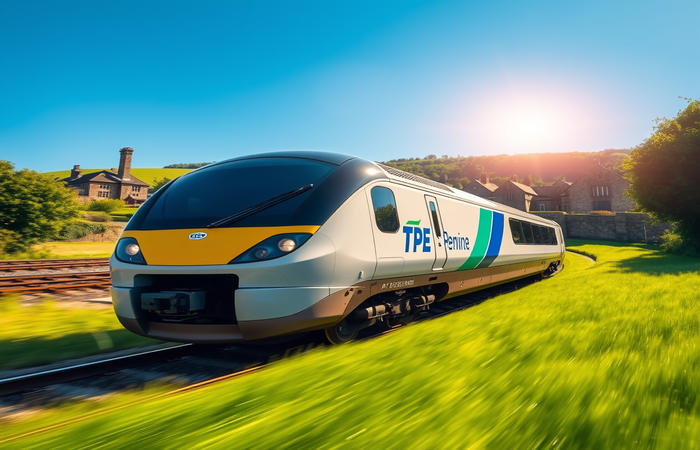
TransPennine Express Transformation: A Success Story in Public Ownership
The recent performance of TransPennine Express (TPE), a train operating company (TOC) in the north of England, since its transfer to public ownership in May 2023, offers a compelling case study in the evolving landscape of the UK railway system. This news report, published on May 28, 2025, delves into TPE’s second annual results under government control, highlighting significant improvements in service reliability, passenger satisfaction, and financial performance. The positive outcomes are particularly noteworthy in light of the ongoing debate surrounding the nationalization of the UK’s railways and the formation of Great British Railways (GBR). We will examine the key factors contributing to TPE’s success, comparing its performance under private and public ownership, and analyzing the political implications of these changes. The aim is to provide a comprehensive overview of the changes and the potential of public ownership in the railway sector.
From Private Franchise to Public Ownership: A Shift in Priorities
Prior to May 2023, TPE operated under a private franchise model, a system that had faced considerable criticism due to chronic service disruptions and passenger dissatisfaction. A key issue during this period was a severe shortage of trained drivers, which frequently resulted in cancellations and delays, impacting the overall passenger experience. The transfer to public ownership, managed by the Department for Transport (DfT) through DfT Operator (formerly known as DfT Operator of Last Resort Holdings), signaled a fundamental shift in priorities. The emphasis moved from maximizing profits to prioritizing passenger needs, service reliability, and long-term infrastructure investment. This change in focus has been instrumental in driving the positive results that TPE is now reporting.
Key Performance Indicators: A Remarkable Turnaround
The latest results from TPE paint a picture of significant improvements across various key performance indicators (KPIs). Notably, cancellations have been reduced by 75% since 2023, demonstrating a marked improvement in service reliability. Concurrently, the number of journeys undertaken on TPE services has increased by 42%, a clear indicator of growing passenger confidence and usage. Furthermore, revenue has surged by 54%, demonstrating the financial viability of the public ownership model. This revenue increase can be attributed to increased ridership, and also better utilization of existing assets (rolling stock and infrastructure). The most compelling data point is the substantial increase in passenger satisfaction, rising from a mere 5% to an impressive 94%. This data represents the culmination of strategic investments and operational enhancements, particularly in addressing the driver shortage. The hiring of 63 drivers since May 2023 has significantly alleviated the pressures on the network, contributing to improved service delivery.
Operational Enhancements and Strategic Investments
The remarkable turnaround at TPE is not merely a result of a change in ownership structure. It also reflects strategic investments and operational improvements. The recruitment and training of additional drivers was a critical factor in reducing cancellations and improving overall service reliability. Beyond staffing, investments are crucial in improving rolling stock reliability, maintaining and improving infrastructure (tracks, signaling, and stations) and modernizing train control systems. These improvements ensure the efficient and effective operation of the railway network. Additionally, a shift in the organizational culture to focus on customer service has undoubtedly contributed to the increased passenger satisfaction levels. Investments in passenger information systems (real-time updates, online booking) and enhanced onboard amenities create a more positive travel experience.
Political Landscape and Future Implications
The success of TPE under public ownership has significant political implications, particularly in the context of the ongoing debate regarding the nationalization of the UK’s railways. The positive results have been lauded by the government, which views the TPE model as a blueprint for Great British Railways. However, the opposition, notably the Conservative Party, has expressed concerns, arguing that nationalization is a burden on taxpayers and that private sector investment is essential for economic growth. The TPE case offers a compelling case for public ownership, demonstrating that it is possible to deliver reliable, accessible, and value-for-money rail services that drive economic growth. The future of rail operations in the UK will likely hinge on the ability to replicate the TPE model across other TOCs and ensure that the passenger experience, operational efficiency, and financial sustainability remain the key priorities.
Conclusion
The transformation of TransPennine Express from a struggling private franchise to a thriving publicly owned entity is a significant achievement, demonstrating the potential of prioritizing passengers and communities over private profit. The remarkable reduction in cancellations, increase in passenger journeys, and substantial revenue growth, alongside a dramatic surge in passenger satisfaction, tell a compelling success story. This positive shift is a result of a change in the focus and strategic investments that has occurred since the railway was transferred to public ownership. The improvements are not only in the operational aspects, but also in the satisfaction of passengers, which is the most important part of the process.
This model sets a precedent for the restructuring of the UK rail system. While political debates continue regarding the best model for running the railway, TPE’s performance provides a strong argument for public ownership. The government’s vision of establishing Great British Railways is supported by the success seen in TPE. The future will likely depend on continued investment in infrastructure, a focus on passenger needs, and a commitment to operational excellence. This transformation has the potential to provide a blueprint for a reliable, accessible and economically vital national railway system. The success of the model will require careful monitoring, continuous improvement, and a commitment to adapting to future challenges, maintaining the focus on ensuring services are reliable and the public interest is upheld.
“`
Summary of Companies:
TransPennine Express (TPE): A train operating company (TOC) operating passenger rail services in the North of England, running services from Manchester Piccadilly and other northern hubs. After being transferred to public ownership in May 2023, TPE has shown remarkable improvements in service, reliability, and passenger satisfaction.
Department for Transport (DfT): The government department responsible for transport in the United Kingdom. It manages TPE through DfT Operator.
Great British Railways (GBR): The government’s plan to bring UK railways back under its control.
Date: May 28, 2025
Country: United Kingdom
RELATED POSTS

December 19, 2025 8:40 am
Rail manufacturer builds a STEM playground, investing £2,000, to inspire...

October 8, 2016 12:50 pm
Ansaldo STS announces that it has been signed the contract...

August 16, 2020 2:18 pm
The Privatization of Indian Railways: Specifications and Implications This article...

September 17, 2025 9:55 am
HŽ Infrastruktura contracts for Zagreb Main Railway Station renovation's technical...
COMSA secures €35M in Mexican railway projects, boosting Mexico City's...
January 14, 2018 3:33 am
Modern railway construction: Mastering financing, risk, and tech to...