
Wabtec Upgrades NYC Subway: R211 Braking System
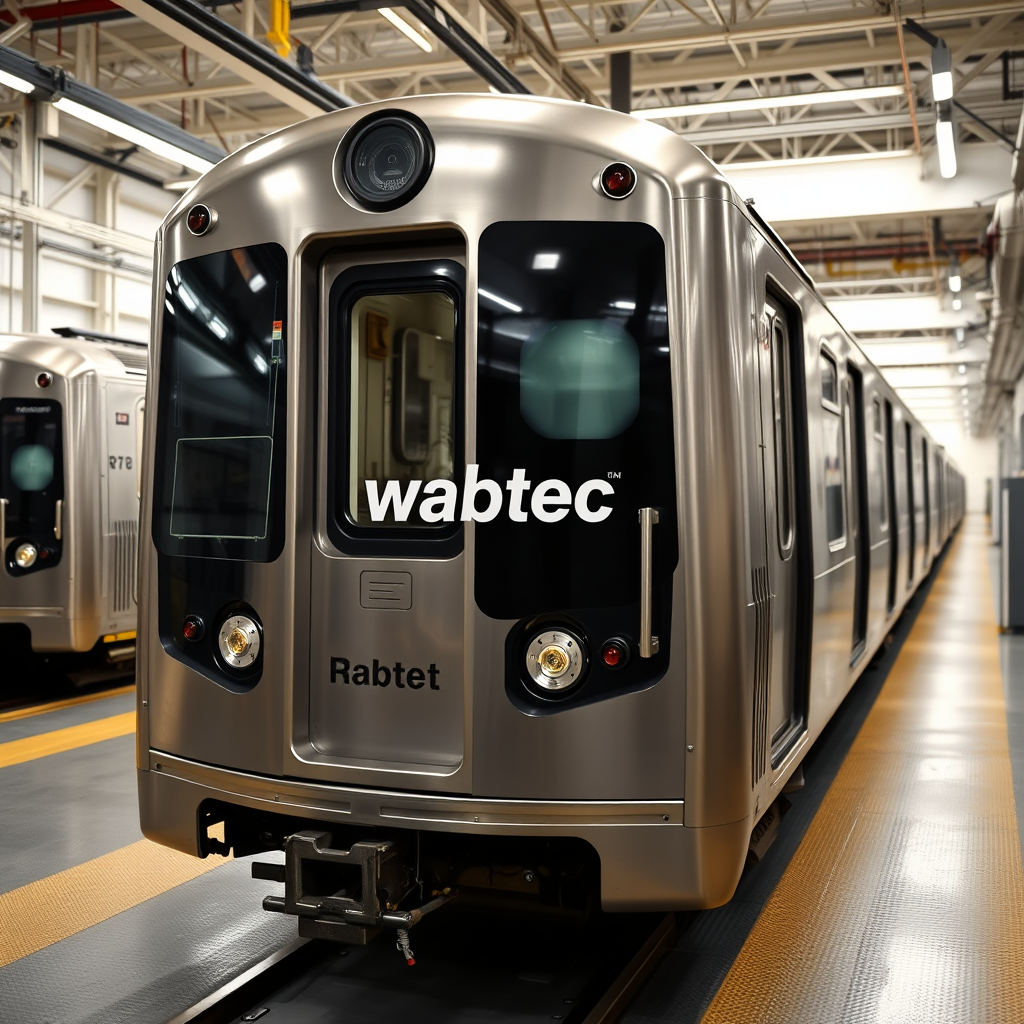
The Optimization of New York City Subway Rolling Stock: A Case Study of Wabtec’s Contribution
This article examines the significant contribution of Wabtec Corporation to the modernization and improvement of the New York City Transit System (NYCTS) subway fleet. The focus will be on a multi-million dollar contract awarded to Wabtec by Kawasaki Heavy Industries, Ltd. for the supply of 640 braking systems and couplers for the new R211 subway cars. The article will delve into the importance of interoperability within the existing NYCTS fleet, the strategic manufacturing aspects of the project, and the broader implications of this contract for the future of the world’s most extensive subway system. The sheer scale of the NYCTS, encompassing over 400 stations and more than 6,500 vehicles, underscores the critical need for reliable and efficient rolling stock, highlighting the significance of this partnership between Wabtec and Kawasaki. This project represents a substantial investment in upgrading the critical infrastructure of one of the world’s busiest and most complex transit systems, promising improved reliability and passenger experience.
Wabtec’s Role in Enhancing NYCTS Rolling Stock
Wabtec, a leading global provider of equipment and services for the rail industry, has secured a contract to supply crucial braking systems and couplers for 640 new R211 subway cars destined for the NYCTS. This contract builds upon a previous successful collaboration between Wabtec and Kawasaki, further solidifying their partnership in upgrading the NYCTS fleet. The selection of Wabtec’s components underscores the company’s reputation for producing high-quality, reliable equipment. The emphasis on interoperability within the existing NYCTS fleet highlights the importance of maintaining a consistent and efficient operation across the entire system. The seamless integration of the new R211 cars with the existing fleet will ensure optimal performance and avoid potential compatibility issues.
Manufacturing and Delivery: A Transcontinental Effort
The manufacturing process for this significant project showcases a collaborative effort across the United States. Wabtec’s South Carolina facility will be responsible for the production of the braking systems and couplers, leveraging their established manufacturing expertise and capacity. Meanwhile, Kawasaki will assemble the R211 subway cars at its facilities in Lincoln, Nebraska and Yonkers, New York. This geographically distributed manufacturing process exemplifies efficient supply chain management and underscores the economic impact of the project across multiple states. Delivery of the equipment is scheduled for 2025 and 2026, ensuring a timely upgrade of the NYCTS fleet.
Strategic Significance and Technological Advancements
This contract extends beyond a simple equipment supply agreement. It represents a strategic investment in the future of the NYCTS, focusing on improving reliability and passenger service. The choice of Wabtec’s technology speaks volumes about its advanced capabilities and commitment to providing cutting-edge solutions for the rail industry. The integration of these new components into the R211 cars will contribute to a more efficient and reliable subway system, ultimately benefiting millions of daily commuters. The project’s scale, involving hundreds of rail cars and components, demonstrates a significant commitment to upgrading the NYCTS infrastructure and improving the overall passenger experience.
Conclusion
The Wabtec contract for the supply of braking systems and couplers for the new R211 subway cars represents a significant milestone in the modernization of the New York City Transit System. This multi-million dollar agreement not only provides crucial equipment for the upgrade of 640 railcars but also underscores the importance of interoperability in maintaining the efficiency and reliability of one of the world’s largest and busiest transit systems. The project highlights a successful collaboration between Wabtec and Kawasaki, showcasing a transcontinental manufacturing effort that leverages the expertise and capacity of facilities in South Carolina, Nebraska, and New York. The timely delivery of equipment, scheduled for 2025 and 2026, underscores a commitment to enhancing the passenger experience and reinforcing the crucial role of reliable rail infrastructure in supporting the city’s economic vitality. The success of this project will serve as a model for future upgrades and modernization efforts in large-scale transit systems worldwide, showcasing the importance of strategic partnerships and technological advancements in improving the efficiency, reliability, and overall performance of urban rail networks. The project’s focus on enhancing interoperability will lead to a more cohesive and efficient NYCTS fleet, leading to reduced maintenance costs, increased operational efficiency, and ultimately, a more reliable and comfortable experience for the millions of passengers who rely on the NYCTS daily. The long-term benefits of this collaboration extend far beyond the immediate impact of the equipment upgrades, setting a precedent for future investments in enhancing urban transit infrastructure globally.
RELATED POSTS

Škoda Transportation has secured a €104.7m contract to deliver 60...

November 15, 2009 11:08 am
South Africa’s ongoing high-speed rail project to link the airport...

October 20, 2011 1:46 pm
Colas Rail, a unit of French construction and telecommunications group...

June 7, 2019 11:10 am
Bangkok's Pink and Yellow MRT lines: a $311 million ADB...

July 11, 2025 9:34 am
OCTA holds public sessions for coastal rail resiliency study. ...
November 25, 2019 10:51 am
This article explores the significant 2019 reallocation of rolling stock...