
Alstom’s €500M AlUla Tram: A Green Revolution
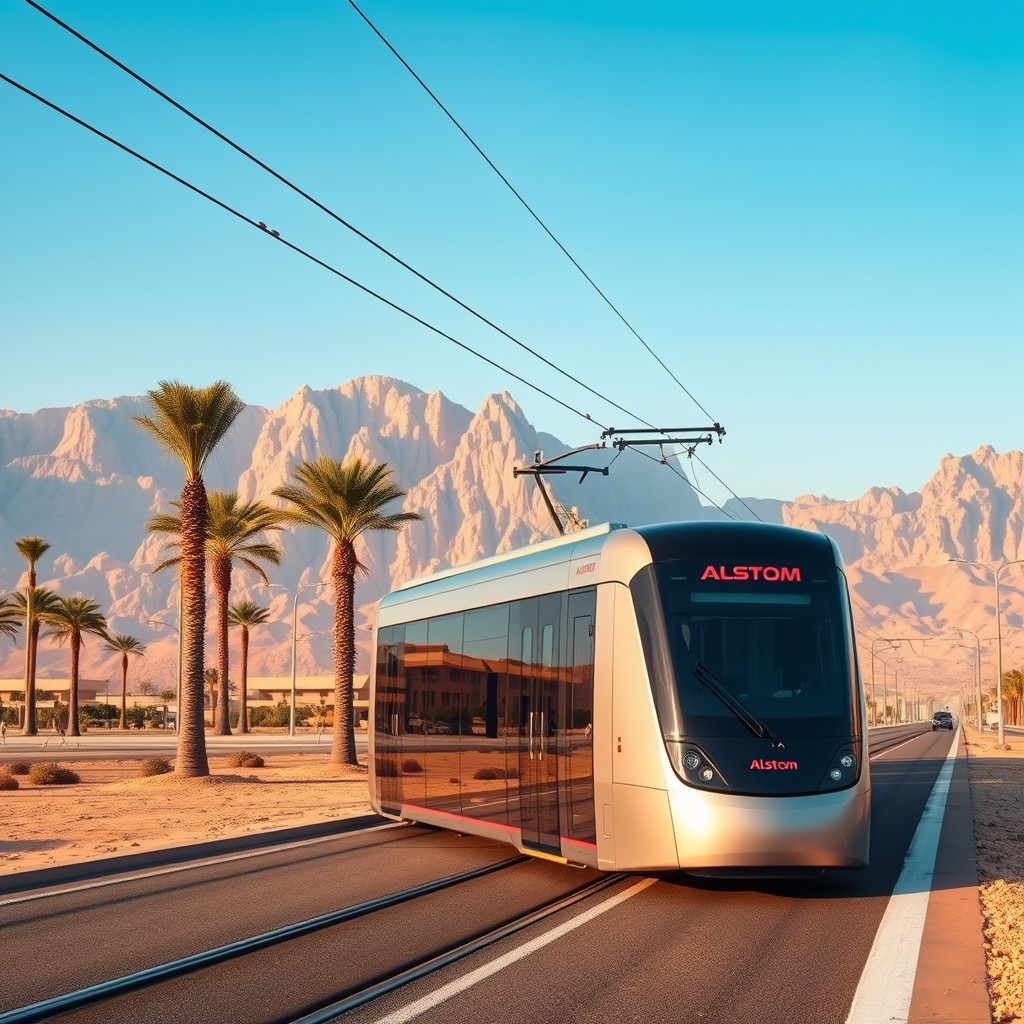
This article explores the significant implications of Alstom’s €500 million contract with the Royal Commission for AlUla (RCU) in Saudi Arabia for the construction of a 22.4km battery-powered tramway system. This project represents a substantial advancement in sustainable urban transportation, showcasing the capabilities of catenary-free (i.e., without overhead power lines) tramway technology on a large scale. The project’s scope extends beyond simply providing transit; it integrates seamlessly with AlUla’s cultural heritage and aims to enhance the visitor experience while aligning with Saudi Arabia’s Vision 2030 sustainability goals. We will delve into the technological aspects of the project, its economic impact, its alignment with national strategic goals, and its wider implications for the global light rail transit (LRT) industry.
Alstom’s Technological Prowess and the Catenary-Free Tramway
Alstom’s contract encompasses not only the supply of 20 Citadis battery-powered trams but also the complete design, integration, installation, and testing of the entire tramway system. This includes the signaling, communication, and depot equipment. The choice of a catenary-free system is a significant technological achievement, eliminating the need for overhead power lines and enhancing the aesthetic appeal of the system, especially in a culturally significant area like AlUla. This solution requires advanced battery technology, sophisticated energy management systems, and robust charging infrastructure. The successful implementation of this large-scale, catenary-free system will showcase the technology’s maturity and viability for wider adoption in other urban environments where overhead lines may be impractical or undesirable. The use of battery technology also significantly reduces the environmental impact of the tramway compared to traditional diesel or electric systems that rely on overhead power lines. Alstom’s commitment to 10 years of maintenance further emphasizes the company’s confidence in the system’s reliability and long-term performance.
Economic Impact and Job Creation
The €500 million investment represents a substantial contribution to the Saudi Arabian economy, stimulating job creation both during the construction and operational phases. The project will support local employment through construction, installation, and ongoing maintenance. Furthermore, the manufacturing of the Citadis trams in Alstom’s French facilities fosters international collaboration and strengthens economic ties between France and Saudi Arabia. The long-term maintenance contract also provides a stable revenue stream for Alstom and ensures the continued operation of the tramway. The positive economic ripple effects extend beyond direct employment, impacting related industries such as construction materials, logistics, and tourism.
Alignment with Vision 2030 and Sustainable Development
The AlUla tramway project aligns perfectly with Saudi Arabia’s Vision 2030, which prioritizes sustainable development and diversification of the economy. The adoption of a battery-powered, catenary-free system demonstrates a commitment to reducing carbon emissions and minimizing the environmental footprint of urban transportation. The project’s integration with UNESCO World Heritage sites underscores the government’s dedication to preserving cultural heritage while simultaneously promoting sustainable tourism. By providing efficient and environmentally friendly transportation, the tramway system facilitates access to key cultural and historical sites, encouraging responsible tourism and promoting economic growth in a sustainable manner.
Global Implications and Future of LRT Systems
The success of the AlUla tramway will have significant implications for the global LRT industry. It serves as a compelling case study for the adoption of battery-powered, catenary-free technology in urban development projects worldwide. The project’s scale and location highlight the increasing demand for environmentally friendly and aesthetically pleasing transit solutions in both urban and heritage settings. The experience gained in designing, implementing, and maintaining this innovative system will provide valuable data for future projects, accelerating the adoption of similar technologies in other regions. This large-scale project also showcases the willingness of government agencies to invest in innovative and sustainable solutions for public transportation, signaling a shift towards more environmentally conscious urban planning.
Conclusions
The Alstom AlUla tramway project is more than just a transportation initiative; it is a demonstration of technological advancement, economic investment, and commitment to sustainable development. The project’s successful implementation will mark a significant milestone in the global LRT sector, showcasing the viability of large-scale, catenary-free battery-powered tramway systems. The economic impact will be considerable, boosting the Saudi Arabian economy and creating numerous employment opportunities. Moreover, the project’s alignment with Vision 2030 emphasizes the importance of environmentally responsible urban planning and sustainable tourism. The lessons learned from this project’s planning, construction, and operation will be invaluable for future LRT projects worldwide, pushing the boundaries of innovation in sustainable urban transport. The successful completion of this ambitious endeavor will not only revolutionize transportation within AlUla but will also serve as a compelling model for sustainable urban development initiatives globally. The project’s legacy extends beyond the provision of efficient public transit; it is a testament to the power of collaboration, technological innovation, and a shared commitment to sustainable progress.
RELATED POSTS
November 10, 2025 11:54 am
Deutsche Bahn integrates green steel rails into infrastructure, procuring 1,000...

State-owned Kenya Railways (KR) has announced plans to build a...
July 4, 2025 6:33 pm
Dandenong level crossing removal and underpass construction begins, improving rail...

October 26, 2016 11:13 am
Here's a voiceover-friendly excerpt:"The Raide-Jokeri light rail project in Helsinki,...

October 10, 2025 2:54 am
Norfolk Southern celebrates the 1,000th **DC-to-AC locomotive conversion**, boosting fuel...

March 6, 2017 6:11 am
Construction cost of Moscow – Kazan high speed railway is...