
SNCF’s Green Rail Revolution: Hydrogen & Bi-Mode Trains
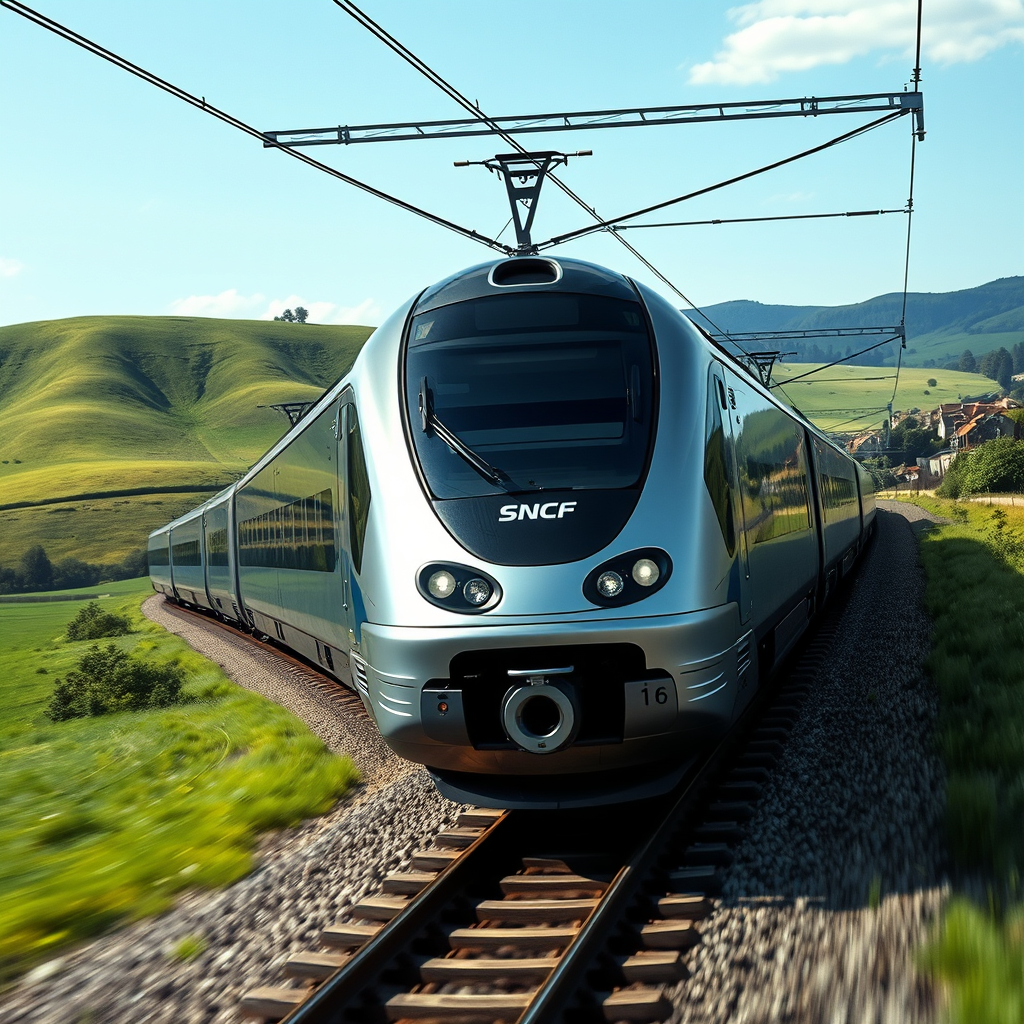
SNCF’s Ambitious Hydrogen and Bi-Mode Rail Strategy
The French national railway company, SNCF (Société Nationale des Chemins de Fer Français), has announced a significant step towards a greener and more versatile railway network with the launch of two major tenders for bi-mode multiple units (BMUs). This strategic move signifies a commitment to expanding sustainable transportation options while addressing the challenges of electrifying less-densely populated lines. The tenders focus on procuring a substantial number of trains capable of operating in various modes, leveraging both overhead electrification and hydrogen fuel cell technology, complemented by battery and potentially bio-diesel options in specific cases. This article will delve into the specifics of each tender, analyze the technological implications, and assess the broader strategic significance of SNCF’s ambitious plan for its future fleet. The increasing importance of reducing carbon emissions in the transport sector, coupled with the need for cost-effective solutions for non-electrified lines, forms the core justification for this investment in innovative train technology. The long-term impact on passenger comfort, operational efficiency, and environmental sustainability will be considerable.
Tender One: High-Speed Hydrogen-Electric BMUs
The first tender calls for the delivery of 30 BMUs designed for both electric and hydrogen operation. These trains must achieve a top speed of 160 km/h (approximately 99 mph) under electric power, and 140 km/h (approximately 87 mph) when running on hydrogen fuel cells. A crucial requirement is a minimum operational range of 600 km (approximately 373 miles) in hydrogen mode, ensuring sufficient operational flexibility across longer distances on non-electrified lines. While the interior design is not rigidly specified, a minimum seating capacity of 120 passengers is mandated. This tender prioritizes long-distance, hydrogen-powered operation in areas where overhead lines are unavailable or uneconomical to install.
Tender Two: Versatile BMUs with Battery and Potential Bio-Diesel Backup
The second tender is significantly larger, requesting 150 BMUs with a slightly different operational profile. While also capable of electric operation via overhead lines, these trains emphasize shorter-range battery operation as a primary alternative. The base requirement is a 100 km (approximately 62 miles) range on battery power, with an option to increase this to 200 km (approximately 124 miles). Intriguingly, SNCF is considering the inclusion of a bio-diesel combustion engine as a supplementary power source, subject to compliance with stringent Euro V emission standards. This element suggests a focus on addressing specific operational needs where neither electrification nor extended battery range proves feasible. The flexibility provided by battery and potentially bio-diesel power represents a pragmatic approach to addressing the complexities of varied rail networks.
Technological Considerations and Challenges
The tenders present substantial technological challenges. The development and integration of reliable and efficient hydrogen fuel cell systems for high-speed rail applications require ongoing research and development. Similarly, the optimization of battery technology for extended operational ranges in rail vehicles is a critical area of innovation. Furthermore, the careful balancing of performance, weight, and energy consumption is paramount to ensure both efficiency and passenger comfort. The successful implementation of these tenders depends on the close collaboration between SNCF and the chosen manufacturers to overcome these technological hurdles and deliver reliable, efficient, and safe rail vehicles.
Strategic Implications for SNCF and the French Rail Network
SNCF’s investment in bi-mode technology reflects a broader strategic shift towards decarbonization and improved operational efficiency. Hydrogen and battery-powered trains offer a pathway to reduce reliance on fossil fuels and minimize the environmental impact of rail operations, particularly on lines that are not electrified. The flexibility offered by BMUs allows SNCF to expand services to areas previously considered uneconomical to electrify, fostering greater accessibility and promoting regional development. The successful implementation of these tenders will position SNCF as a leader in the adoption of innovative rail technologies, shaping the future of sustainable rail transport in France and beyond.
Conclusions
SNCF’s ambitious tender for 180 bi-mode multiple units (BMUs) represents a crucial step in modernizing its fleet and achieving ambitious sustainability goals. The two tenders, while sharing the common thread of bi-modal operation, cater to distinct operational needs. The first tender emphasizes long-range hydrogen-electric operation for routes lacking electrification, focusing on high speed capabilities. The second emphasizes a shorter-range option prioritizing battery power and potentially bio-diesel backup for increased flexibility and coverage of more varied rail lines. The successful implementation of these tenders will not only contribute significantly to SNCF’s decarbonization efforts but also enhance the overall efficiency and accessibility of the French rail network. The choice of technology for each tender reflects a pragmatic approach to addressing the diverse challenges presented by the French rail infrastructure. Overcoming the technological hurdles associated with high-speed hydrogen fuel cells and extended-range battery technology will require significant investment in research and development, but the potential benefits in terms of environmental impact, operational flexibility, and enhanced accessibility make this a strategically important investment for SNCF and a significant development in the global railway industry.
The long-term success of this initiative will depend on several factors, including the successful development and deployment of the chosen technologies, the effective integration of these trains into the existing SNCF network, and the ongoing support for the necessary infrastructure to facilitate hydrogen refueling and battery charging. The overall impact of this initiative extends far beyond SNCF, serving as a benchmark for other national railway operators aiming to achieve similar advancements in sustainable and efficient rail transportation. The focus on both hydrogen and battery technologies underscores a commitment to exploring multiple pathways towards a more sustainable future for rail transport, and this proactive approach marks a significant step towards a greener and more versatile rail system for France.
RELATED POSTS

October 19, 2018 12:14 pm
Serbia's railway modernization, a €22 million EBRD investment, boosts efficiency...

September 13, 2025 6:30 am
R. J. Corman Railroad Group boosts senior team with key...
June 24, 2020 9:54 pm
High-Speed Rail Development in South Korea: The GTX-A Line and...

June 2, 2025 9:00 am
Renfe International Projects and JR Central forge a powerful alliance,...
August 25, 2020 5:32 pm
This article examines the significant role of Kone Corporation in...

May 30, 2015 4:01 am
Metro trains manufactured by CNR for Olympic Games in Rio...