
Rail Baltica’s €15.3B Challenge: Funding & Future
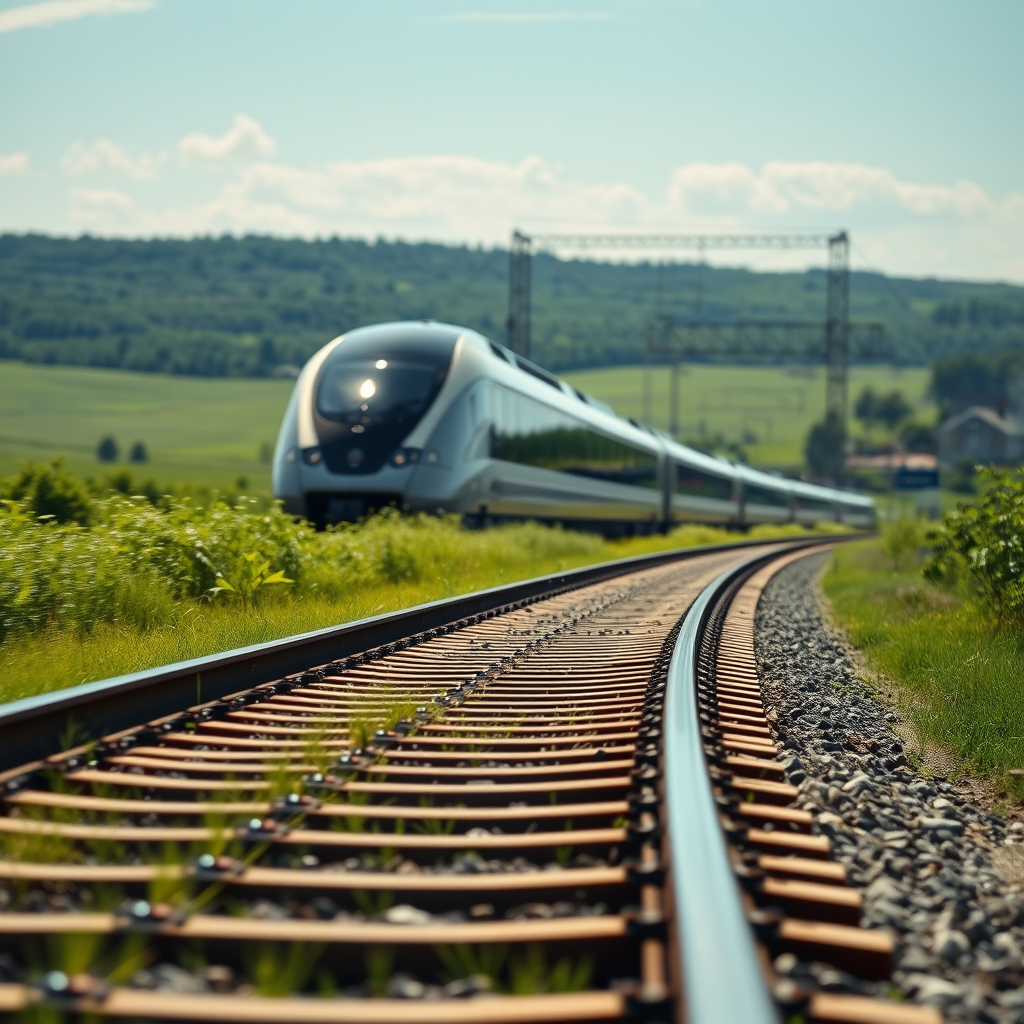
The Rail Baltica project, a high-speed rail line connecting Poland, the Baltic states, and Finland, is facing significant challenges. This ambitious undertaking, designed to improve regional connectivity and boost economic growth, has experienced a substantial escalation in projected costs. Initially estimated at €5.8 billion, the cost for the first phase—a high-speed corridor between Poland and Estonia—has now ballooned to €15.3 billion ($16.6 billion). This dramatic increase necessitates a thorough examination of the project’s financial viability, funding sources, and the potential impact of geopolitical shifts within the European Union (EU). This article delves into the financial intricacies of Rail Baltica, analyzing the cost overruns, exploring alternative funding mechanisms, and assessing the long-term implications for the project’s success. The analysis considers the evolving political landscape within the EU and its potential effect on future funding commitments, while also highlighting the strategic importance of the project for the region’s economic development and infrastructure modernization.
Cost Overruns and their Implications
The upward revision of Rail Baltica’s cost to €15.3 billion represents a significant challenge. This substantial increase, primarily attributed to inflation (estimated at 40% in the region), increased project scope, and improved cost data accuracy as the project progresses, raises concerns about the project’s financial sustainability. The initial cost-benefit analysis, while suggesting a positive monetary return after completion, now needs to be re-evaluated considering the inflated budget. The current funding of €2.7 billion, largely dependent on the EU’s Connecting Europe Facility (CEF), falls far short of the revised cost estimate. This underscores the need for a diversified funding strategy to mitigate the risk of project delays or cancellation due to a potential shortfall in EU funding.
Funding Diversification and Alternative Strategies
The heavy reliance on EU funding presents a significant risk. Given the recent EU Parliament elections and the potential shifts in the bloc’s political priorities, securing the additional €2 billion requested from the CEF is not guaranteed. This necessitates exploring diverse funding mechanisms. Potential alternative funding strategies include:
- Increased national contributions from the participating states.
- Public-private partnerships (PPPs) to leverage private sector investment.
- Securing loans from international financial institutions.
- Innovative financing models, such as green bonds, to attract environmentally conscious investors.
Diversification of funding sources will reduce the project’s vulnerability to shifts in EU policy and enhance its overall financial resilience.
Project Timeline and Phased Approach
The project’s ambitious completion target of 2030 for the first phase remains challenging given the cost overruns and potential funding gaps. While at least 15% of the mainline is scheduled for construction by the end of 2024, adhering to this timeline requires meticulous planning and efficient execution. A phased approach, prioritizing critical sections and potentially delaying less crucial elements, could be considered. Transparency and effective communication regarding project progress are essential to maintain stakeholder confidence and ensure continued support for the project.
Political Landscape and Intergovernmental Cooperation
The success of Rail Baltica hinges on strong intergovernmental cooperation among the participating countries. Recent statements by Lithuanian Transport Minister Marius Skuodis indicate a commitment to finding a “clear path forward,” suggesting a renewed focus on streamlining the project’s management and execution. Continued political commitment and a collaborative approach are vital to navigating the challenges posed by funding shortfalls and potential political changes within the EU. Open communication, collaborative decision-making, and a shared vision are crucial for ensuring the project’s long-term success and delivering the promised economic benefits.
Conclusion
The Rail Baltica project, while ambitious and strategically important, faces significant financial hurdles. The substantial increase in projected costs necessitates a multifaceted approach to secure the necessary funding. A diversified funding strategy that complements the EU contributions with increased national investments, public-private partnerships, and international loans is crucial. The project’s success depends on strong political will, effective intergovernmental cooperation, and a pragmatic approach to managing the project’s timeline and scope. Transparency and robust communication with stakeholders are paramount to maintain confidence and ensure the project’s long-term viability. While challenges remain, the potential economic benefits for the region are significant, and a well-managed and adequately funded Rail Baltica project can become a cornerstone of regional development and economic integration. The timely implementation of a comprehensive financial plan coupled with efficient project management will be critical in realizing the project’s full potential and securing its future.
RELATED POSTS

December 18, 2022 3:26 pm
Introduction This article delves into the significant expansion of the...
August 25, 2019 4:38 pm
This article explores the collaboration between the United Wagon Company...
August 13, 2019 5:37 am
This article examines the significant role of CAF Signalling (Construcciones...
March 24, 2018 12:04 am
Sydney Metro's Central Station upgrade: A $745 million project...

July 3, 2025 5:33 am
GCRE launches rail retraining program, addressing UK skills gap, funded...

November 7, 2025 9:54 pm
Amtrak unveils key steps for the $7 billion York City...