
Delhi Metro Expands: 312 New Coaches, Driverless Tech

Introduction
This article delves into the significant expansion of the Delhi Metro Rail Corporation (DMRC)’s network, focusing on the procurement of 312 new metro coaches for Phase IV priority corridors. This expansion represents a crucial step in enhancing Delhi’s public transportation infrastructure, addressing growing commuter demands and promoting sustainable urban mobility. We will examine the specifics of this procurement, including the number of coaches allocated to each corridor, the technological advancements incorporated into the new rolling stock, and the broader implications for the DMRC’s operational efficiency and passenger experience. The analysis will also touch upon the strategic importance of this expansion within the context of India’s broader efforts to develop robust and modern mass transit systems, and consider the role of technological advancements such as driverless operation in shaping the future of urban rail transport.
Phase IV Expansion and Coach Procurement
The DMRC’s Phase IV expansion project involves the construction of 65.20 km of new track across three priority corridors: Janakpuri West to R K Ashram Marg, Tughlakabad to Delhi Aerocity, and Majlis Park to Maujpur. This expansion includes the addition of 46 new metro stations and is scheduled for completion by September 2025. The 312 newly procured coaches are integral to the successful operation of these new lines. The allocation of coaches is strategically distributed: 234 standard gauge coaches are destined for the extended sections of Line 7 (Pink Line) and Line 8 (Magenta Line), with 90 coaches for the Majlis Park to Maujpur section and 144 coaches for the Janakpuri West to R K Ashram Marg section. An additional 78 standard gauge coaches will service the Tughlakabad to Delhi Aerocity corridor. This phased rollout ensures efficient deployment of resources and a timely commencement of operations across the expanded network.
Technological Advancements: Driverless Operation and Standard Gauge
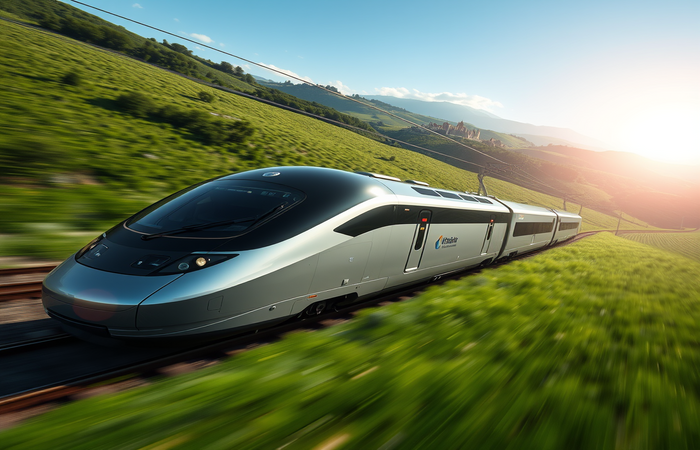
These new coaches, manufactured by Alstom India in SriCity, Chennai, are designed for driverless operation, showcasing the DMRC’s commitment to incorporating cutting-edge technology. Driverless operation enhances operational efficiency, improves safety by minimizing human error, and potentially increases frequency and punctuality of services. The selection of standard gauge (as opposed to broad gauge) reflects a strategic choice based on various factors including suitability for urban environments, and potentially lower initial infrastructure cost. The implementation of driverless technology builds upon the DMRC’s existing experience with such systems on the Magenta and Pink lines, demonstrating a successful transition to a more automated and sophisticated metro system.
Strategic Implications and Future Growth
The Phase IV expansion and the associated coach procurement underscore the DMRC’s significant role in Delhi’s urban development. By increasing network capacity and accessibility, the DMRC contributes to reduced road congestion, improved air quality, and enhanced connectivity for millions of commuters. The project also demonstrates India’s commitment to investing in sustainable and efficient mass transit solutions. The successful implementation of this project will serve as a valuable case study for other cities across India and beyond, looking to upgrade their public transportation systems. The strategic use of driverless technology positions the DMRC as a leader in the adoption of advanced rail technologies, improving efficiency and creating a blueprint for future expansions. The DMRC’s choice of Alstom as a supplier further highlights the increasingly globalized nature of the rail industry and the strategic partnerships that underpin major infrastructure projects.
Conclusions
The DMRC’s procurement of 312 new metro coaches for its Phase IV expansion signifies a major milestone in Delhi’s ongoing efforts to modernize and expand its public transport network. This expansion, focusing on three key corridors, not only addresses the growing demand for efficient and reliable mass transit but also showcases a commitment to technological advancement. The adoption of driverless technology in these new standard gauge coaches reflects a strategic shift towards increased operational efficiency, improved safety, and enhanced passenger experience. The successful implementation of this phase will significantly enhance Delhi’s connectivity, reducing congestion and promoting sustainable urban development. This strategic investment is more than just an infrastructure project; it is a testament to India’s commitment to building world-class urban transit systems. The lessons learned from this expansion, particularly the successful implementation of driverless technology, will have implications for future metro projects both within India and globally, fostering the adoption of innovative and sustainable transit solutions. The project’s success rests not only on the efficient deployment of resources and timely completion but also on the long-term operational efficiency and positive impact on the city’s social and economic fabric. Furthermore, the selection of Alstom underscores the increasingly global nature of infrastructure development, demonstrating the importance of international collaborations in realizing large-scale transit projects.
RELATED POSTS

April 10, 2025 12:29 am
The Privatization of Operail: A Strategic Shift in Estonian Rail...
October 18, 2021 10:37 am
This article examines the modernization efforts of Calea Ferată din...

May 1, 2012 7:18 am
US-based freight transport company BNSF Railway Company (BNSF) has revealed...
February 11, 2025 9:39 am
Getlink’s Record-Breaking Q1 2023 Revenue: A Deep Dive into Rail...
May 30, 2025 3:00 am
Ferrovie dello Stato Italiane (FS Italiane), the Italian state-owned railway...
August 27, 2022 11:52 am
This article explores the significant infrastructural development underway in Tallinn,...