
Connecticut River Bridge: NEC’s $1.3B Rail Upgrade
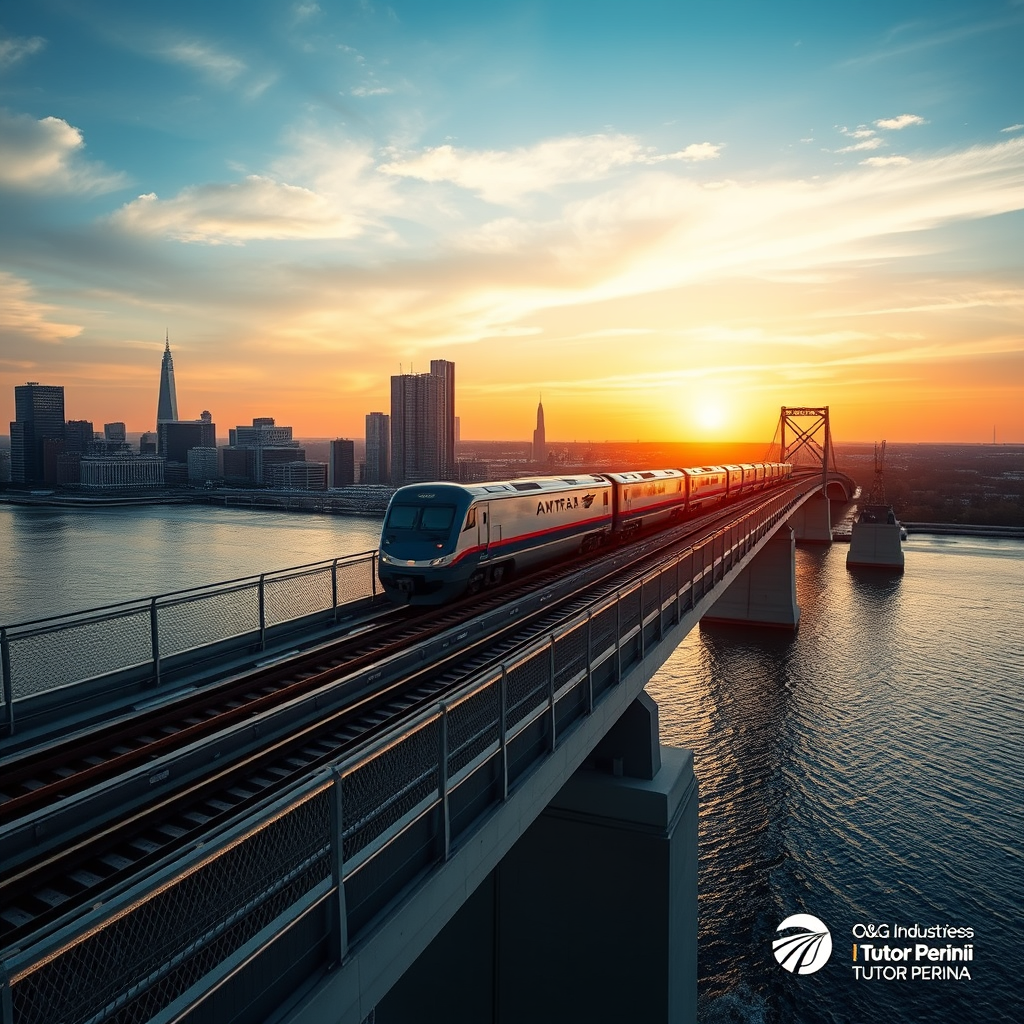
Modernizing the Northeast Corridor: The Connecticut River Bridge Replacement Project
This article delves into the critical infrastructure upgrade currently underway on Amtrak’s Northeast Corridor (NEC): the replacement of the Connecticut River Bridge. This $1.3 billion project, a testament to the ongoing commitment to modernize America’s vital rail network, promises significant improvements to speed, safety, and efficiency for passenger and freight rail traffic. The existing bridge, constructed in 1907, has become increasingly problematic, experiencing delays due to its age and susceptibility to issues when opening for maritime traffic. This project goes beyond simply replacing aging infrastructure; it represents a strategic investment in the future of rail travel, contributing to economic growth, improved passenger experience, and enhanced operational efficiency. The project’s scope, funding mechanisms, and anticipated impact on the broader NEC network will be explored in detail, highlighting the multifaceted benefits of this ambitious undertaking. The project serves as a microcosm of the larger challenges and opportunities facing the nation’s aging rail infrastructure, emphasizing the urgent need for strategic investment and modernization.
Project Overview and Justification
Amtrak’s replacement of the Connecticut River Bridge is not merely a matter of replacing a worn-out structure. The existing bridge, built over a century ago, has become a significant bottleneck on the heavily trafficked NEC. Its susceptibility to delays during maritime traffic movements directly impacts the reliability of passenger and freight rail service. The new bridge, expected to be completed in 2031, will be designed to accommodate higher speeds, significantly reducing transit times between major Northeastern cities. The planned increase in speed from 45 mph to 70 mph represents a 55% improvement, drastically enhancing the overall efficiency of the corridor. This improved efficiency translates directly into enhanced passenger experience through reduced travel times and improved punctuality, solidifying the NEC’s role as a primary transportation artery.
Construction and Funding
The construction is a joint venture between O&G Industries and Tutor Perini, two prominent firms experienced in large-scale infrastructure projects. A key aspect of this project is its financing. A substantial portion of the funding comes from a $826.64 million grant from the Federal Railroad Administration (FRA), highlighting the federal government’s commitment to modernizing the nation’s critical rail infrastructure. This federal investment underscores the NEC’s national significance and the economic benefits associated with its improved efficiency and capacity. The remaining funding is likely secured through a combination of state and Amtrak resources, reflecting a multi-layered approach to project funding. The project’s success hinges upon careful planning, efficient resource management, and adherence to the stringent safety regulations governing large-scale rail infrastructure projects.
Impact on the Northeast Corridor and Beyond
The Connecticut River Bridge replacement is not an isolated project; it’s an integral part of a broader modernization effort along the NEC. Amtrak is simultaneously undertaking other significant projects, including the $6 billion Frederick Douglass Tunnel replacement in Baltimore, demonstrating a commitment to long-term infrastructure upgrades. The benefits extend beyond the improved speed and reliability for Amtrak’s daily services. The NEC supports numerous commuter rail lines like CTrail Shore Line East, as well as freight operations. Therefore, this project enhances the overall capacity and efficiency of the corridor benefiting all users. The economic impact on the region is substantial, creating jobs during construction and supporting future economic growth by facilitating better connectivity and faster transportation of goods and people.
Conclusion
The replacement of the Connecticut River Bridge on the Northeast Corridor is a transformative project with far-reaching implications. It represents more than just replacing an aging piece of infrastructure; it’s a strategic investment in the future of rail transportation in the Northeast. The project addresses critical issues of speed, safety, and efficiency, directly benefiting Amtrak passengers, commuters using the CTrail Shore Line East service, and freight rail operations. The $1.3 billion investment, partially funded by a significant grant from the Federal Railroad Administration (FRA), underscores the importance of the NEC to the national economy and highlights a commitment to modernized rail infrastructure. The projected completion date of 2031 marks a significant milestone, promising a significant improvement in passenger experience and operational efficiency. This project serves as an excellent example of how strategic investment in infrastructure upgrades can yield substantial economic and societal benefits. Beyond the immediate impacts on the NEC, this project sets a precedent for future large-scale infrastructure renewal projects, showcasing the importance of collaboration between federal, state, and private entities to modernize and enhance America’s crucial transportation networks. The success of this undertaking reinforces the necessity for continuous investment in maintaining and upgrading the nation’s aging rail infrastructure to ensure its continued role as a vital component of our transportation system and its contribution to economic growth and improved quality of life.
RELATED POSTS

April 21, 2025 7:41 pm
Resurgence in US Rail Freight: A Comprehensive Analysis The American...

February 19, 2016 12:50 pm
Bombardier Transportation, as part of TransEd Partners, has been awarded...

April 7, 2022 10:20 pm
This article explores the significant advancements in sustainable railway technology...

February 12, 2010 2:05 pm
Japanese firm Hitachi’s unit Hitachi Rail Europe has won the...

May 29, 2025 3:00 am
The recent overhead wiring incident that crippled the Sydney Trains...
July 30, 2019 10:56 pm
This article explores the significant modernization underway in Cuba’s railway...