
Barcelona’s Tram: APS Power, Sustainability, & Urban Beauty
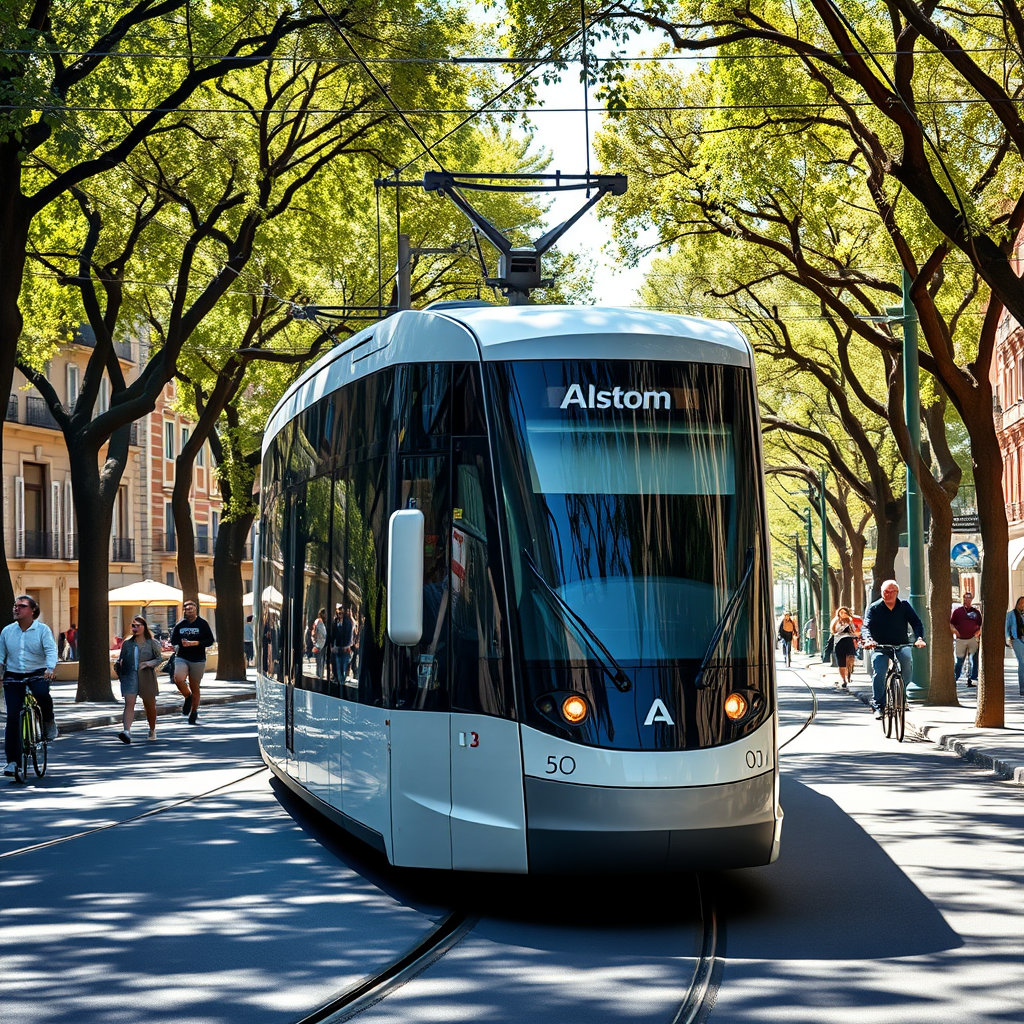
This article explores the recent implementation of Alstom’s ground-level power supply system (APS) on Barcelona’s tramway network, focusing on its technical aspects, environmental benefits, and broader implications for urban transportation. The adoption of APS technology represents a significant step forward in sustainable and aesthetically pleasing urban light rail development. This innovative solution eliminates the need for overhead catenary wires, thus improving the urban landscape, enhancing safety, and creating a more visually appealing environment for residents and tourists alike. We will delve into the specifics of the APS technology, examining its functionality and performance, while also considering its impact on passenger capacity, environmental sustainability, and the overall enhancement of Barcelona’s public transportation infrastructure. The successful deployment in Barcelona provides a valuable case study for other cities considering similar upgrades or new light rail projects, showcasing the advantages of this modern, efficient, and environmentally conscious approach to urban mobility.
APS Technology: A Catenary-Free Solution
Alstom’s APS system (Ground-level power supply system) offers a compelling alternative to traditional overhead catenary systems for tramways and light rail transit (LRT) networks. Instead of relying on overhead wires, APS utilizes a third rail embedded within the track. This rail is segmented, with power supplied only to the section where a tram is currently operating. This segmented power delivery not only enhances safety by eliminating energized overhead wires but also improves energy efficiency. The system’s intelligent control ensures that power is only delivered when and where needed, minimizing energy loss. The absence of overhead lines significantly enhances the aesthetic appeal of the tram route, making it less obtrusive to the urban landscape and potentially increasing property values along the route. This is particularly beneficial in historically significant or densely populated areas where overhead lines might be considered visually disruptive.
Barcelona’s Tramway Expansion and the APS Deployment
Barcelona’s recent expansion of its tramway network provides a practical demonstration of the APS system’s capabilities. A 2km extension, incorporating the APS technology, is projected to accommodate an additional 24,000 daily passengers. This expansion signifies the city’s commitment to improving public transportation and reducing reliance on private vehicles. The seamless integration of the APS technology into the existing infrastructure highlights its practicality and scalability. The successful operation of the system, managed by Alstom’s teams in Madrid and Barcelona, demonstrates the technology’s reliability and ease of maintenance. This project serves as a strong case study for other cities considering similar upgrades to their existing tramway systems or planning new routes.
Environmental and Urban Planning Benefits
The implementation of APS technology in Barcelona aligns perfectly with the city’s broader sustainability goals. By reducing the reliance on private vehicles, the expanded tram network contributes to a significant decrease in carbon emissions. The elimination of overhead lines also creates opportunities for urban beautification and improved pedestrian safety. The project has included added benefits such as the creation of new cycling lanes and green spaces, contributing to a more environmentally friendly and livable urban environment. This integrated approach to urban planning highlights the synergistic benefits of adopting advanced transport technologies.
Connecting Trambaix and Trambesòs: A Network-Wide Enhancement
Barcelona’s tramway network, consisting of Trambaix and Trambesòs, has been operating since 2004. The current project aims to connect these two previously separate systems with a 3.9km link, encompassing six new stops. This connection will significantly enhance the city’s overall mobility, creating a more efficient and integrated public transport system. The increase in passenger capacity and coverage area directly addresses the demands of a growing city and promotes a more sustainable approach to urban transportation. The enhanced network will provide a more comprehensive and convenient service to residents and visitors alike.
Conclusions
The successful deployment of Alstom’s APS catenary-free technology on Barcelona’s tramway represents a significant advancement in urban light rail systems. The project’s success underscores the viability and benefits of this innovative approach. The elimination of overhead catenary lines not only enhances the aesthetic appeal of the urban environment but also improves safety for pedestrians and road users. The system’s reliability and efficiency, as demonstrated by its performance in Barcelona and other global cities, makes it a compelling alternative to traditional systems. The expansion of the Barcelona tramway network, incorporating this technology, directly contributes to the city’s environmental sustainability goals by encouraging a shift from private vehicles to public transport. The improved passenger capacity, coupled with the enhanced connectivity between Trambaix and Trambesòs, significantly improves the city’s overall mobility and caters to its growing population. The integrated approach to urban development, incorporating new cycle lanes and green spaces alongside the tramway expansion, showcases a holistic strategy for creating a more environmentally friendly and livable urban space. The Barcelona project provides a compelling case study for other cities considering the adoption of advanced, sustainable public transport solutions. Its success illustrates that technological innovation in urban transit can be efficiently and effectively integrated into existing infrastructure, resulting in substantial improvements to both the environment and the overall quality of life for citizens.
RELATED POSTS

March 9, 2025 8:51 am
This article examines the challenges faced by the Taunusbahn (RB15)...

January 18, 2022 11:18 pm
Long-Term Railway Maintenance: The Alstom-Metrorex Bucharest Partnership This article examines...
April 20, 2025 5:58 am
Introduction This article delves into the significant electrification upgrade planned...
September 24, 2025 6:55 pm
MTA deploys new Charger locomotives, boosting Metro-North Hudson Line efficiency....
April 17, 2019 9:31 pm
South Africa's X'Trapolis Mega train project is revolutionizing rail! ...
February 6, 2023 12:15 pm
Introduction This article delves into the exciting initiative undertaken by...