
DART+ Revolutionizes Irish Rail: Alstom X’trapolis Arrives
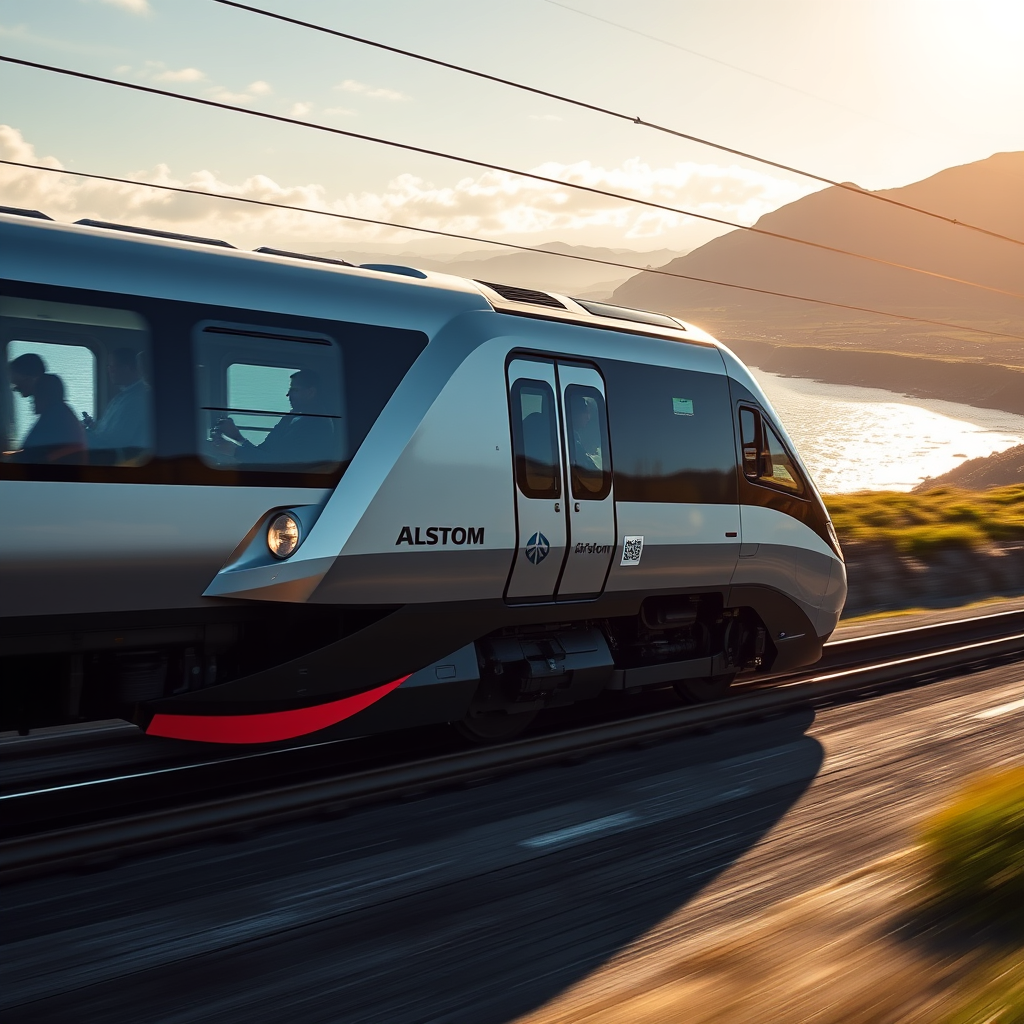
This article delves into the significant advancements in Ireland’s railway infrastructure with the introduction of the new Alstom X’trapolis DART+ (Dublin Area Rapid Transit) fleet. The arrival of these modern, sustainable trains marks a pivotal moment for Irish Rail (Iarnród Éireann), signifying a substantial leap towards a more efficient and environmentally friendly public transportation system. We will explore the technical specifications of these new trains, their impact on passenger capacity and accessibility, their contribution to Ireland’s sustainability goals, and the broader implications of this project for the future of Irish rail travel. The focus will be on the technological advancements incorporated, the operational improvements anticipated, and the long-term strategic vision behind this substantial investment in public transport infrastructure, aligning with the goals set forth in Project Ireland 2040. This comprehensive analysis will illuminate the transformative potential of the DART+ program for the Greater Dublin area and beyond.
The Alstom X’trapolis DART+ Trains: A Technological Leap
The core of the DART+ upgrade is the introduction of 185 Alstom X’trapolis carriages, ultimately forming a fleet of 750 electric and battery-electric carriages over the next decade. Manufactured in Alstom’s Chorzów facility in Poland, these trains boast a number of key features designed to enhance passenger experience and operational efficiency. Key improvements include low-floor height doorways with automatic retractable steps, ensuring accessibility for wheelchair users, wider gangways for improved passenger flow, and dedicated spaces for families and cyclists. Advanced customer information systems and onboard CCTV enhance passenger safety and information access. Each five-carriage train measures 82 meters in length, achieves a top speed of 145 km/h, and offers a total capacity of 551 passengers (184 seated, 20 priority seats, and 347 standing). Crucially, the battery-electric technology allows for off-wire operation, extending the reach of electrified services and enabling service on non-electrified lines, further enhanced by regenerative braking and fast-charging stations at key locations. This hybrid approach offers flexibility and cost-effectiveness compared to full electrification across all lines.
Enhanced Passenger Capacity and Accessibility
The DART+ project aims to dramatically increase rail capacity in the Greater Dublin area. Each ten-carriage train (formed by coupling two five-carriage sets) will accommodate over 1,100 passengers, significantly boosting the carrying capacity of the network. This increased capacity is vital for accommodating Dublin’s growing population and reducing reliance on private vehicles. The design improvements focused on accessibility are equally important. The inclusion of low-floor access, wider gangways, and dedicated spaces for passengers with disabilities, families, and cyclists, demonstrates a commitment to inclusive and user-friendly rail services. This reflects a broader societal shift toward equitable and accessible public transportation.
Sustainability and Environmental Impact
The DART+ program aligns directly with Ireland’s ambitious carbon reduction targets. The adoption of electric and battery-electric trains dramatically reduces reliance on diesel-powered locomotives, significantly decreasing greenhouse gas emissions. The utilization of regenerative braking further enhances energy efficiency by recovering energy during deceleration. The battery technology, in conjunction with the fast-charging infrastructure, facilitates the extension of electric rail services to lines that are not currently electrified, reducing the immediate infrastructure cost associated with widespread electrification while still delivering environmental benefits. This phased approach demonstrates a practical and cost-effective strategy for achieving ambitious sustainability goals.
Strategic Implications and Future Expansion
The DART+ project is more than just a fleet upgrade; it represents a strategic investment in Ireland’s long-term transportation infrastructure. The initial order of 65 battery-electric carriages for the Drogheda-Dublin line, along with new electric carriages for the Malahide/Howth to Bray/Greystones lines, will significantly improve services on these busy commuter routes. The additional 90 carriages ordered will support further network expansion and potential extension to other routes. This phased approach demonstrates a strategic vision for modernizing Ireland’s rail network and aligning it with the sustainable development goals outlined in Project Ireland 2040. The 15-year technical support and spares supply agreement with Alstom further ensures the long-term reliability and maintainability of the new fleet. The inclusion of train simulators for driver training underlines the commitment to operational excellence and safety.
Conclusion
The arrival of the first Alstom X’trapolis DART+ train signifies a remarkable transformation in Irish Rail’s capabilities and a pivotal step towards a more sustainable and efficient transportation future for Ireland. The introduction of this cutting-edge fleet, with its focus on battery-electric technology, enhanced passenger capacity, improved accessibility, and commitment to environmental sustainability, represents a significant achievement. The project’s phased rollout demonstrates a strategic approach to modernizing the rail network, prioritizing both immediate service improvements and long-term infrastructural goals. The success of the DART+ program not only improves the daily commute for thousands of passengers in Greater Dublin but also serves as a model for other regions seeking to enhance their public transportation systems while adhering to stringent sustainability targets. The long-term implications of this investment extend beyond immediate improvements in transport, impacting economic development, reducing carbon emissions, and ultimately contributing to a higher quality of life for Irish citizens. The innovative use of battery-electric technology and the commitment to ongoing support and training emphasize the strategic importance of this project for the future of Irish rail and its integration within a broader vision of sustainable national development.
RELATED POSTS

April 11, 2021 3:25 am
This article explores the significant advancements in New Jersey Transit’s...
July 22, 2025 5:33 pm
Irish Rail launches Western region upgrade, boosting capacity and connectivity....
October 24, 2023 3:04 am
The Acquisition of MRCE by Beacon Rail: Expanding European Rail...

July 29, 2025 2:33 am
BNSF launches new intermodal service between California & Salt Lake...

November 10, 2025 6:54 pm
RFI and Vossloh ink a multi-year deal exceeding EUR 100...
July 8, 2019 6:18 pm
This article explores the significant alterations to the planned route...