
Urban Rail Infrastructure: Trends, Challenges, & Future
Here are a few options for a voiceover-friendly excerpt for railway professionals, focusing on the complexities of urban rail infrastructure:
**Option 1 (Focus on Innovation):**
> Urban rail infrastructure: a complex network, constantly evolving with innovations in track design and intelligent signaling.
**Option 2 (Focus on Challenges):**
> Building and maintaining urban rail infrastructure demands expertise, facing space constraints and community impacts head-on.
**Option 3 (Focus on the Future):**
> The future of urban rail depends on sustainable solutions and smart city integration, ensuring efficient and safe transport. Discover how!

## The Complexities of Urban Rail Infrastructure: A Deep Dive
The arteries of modern cities, their rail networks, are often hidden beneath the surface, yet they are vital for the smooth functioning of urban life. From the clatter of commuter trains to the silent efficiency of freight transport, these systems are a testament to engineering prowess and logistical planning. However, the creation and maintenance of these intricate networks are far from simple. This article delves into the multifaceted challenges of urban rail infrastructure, examining the key components, the obstacles faced, and the innovative solutions being implemented to enhance efficiency, safety, and sustainability. We will explore the critical aspects of track design, signal systems, and station construction, and the continuous efforts to modernize and improve these essential transport lifelines. We will also consider the financial and environmental implications of these projects, highlighting the importance of strategic planning and community engagement in the successful development of urban rail systems. The goal is to understand the current state of urban rail infrastructure and to consider the future of these critical systems.
### The Foundation: Track, Signals, and Stations
The foundation of any successful rail system lies in its fundamental components: the track, the signaling systems, and the stations. Each element demands meticulous planning and execution. The track itself, seemingly simple, is a complex assembly of rails, sleepers (ties), ballast, and subgrade, each designed to withstand immense pressure and vibration while ensuring a smooth and safe journey. The gauge, or the distance between the rails, varies depending on the system and its intended use. Careful consideration is given to the curvature, gradients, and superelevation of the track to optimize speed and passenger comfort. The quality of the materials and the precision of the construction are critical to minimize wear and tear and extend the lifespan of the infrastructure. Regular inspections, maintenance, and the implementation of advanced track monitoring technologies are crucial for ensuring safety and efficiency.
Signaling systems, often the invisible backbone of the railway, are another critical component. These complex networks of signals, switches, and control systems regulate train movements, preventing collisions and optimizing traffic flow. Modern systems utilize advanced technologies like Automatic Train Protection (ATP) and Automatic Train Operation (ATO) to enhance safety and automate train control. The integration of these systems with advanced communications and data analytics allows for real-time monitoring, predictive maintenance, and efficient resource allocation. The transition from traditional mechanical signaling to computerized systems represents a significant technological advancement in rail infrastructure.
Finally, railway stations are more than just points of embarkation and disembarkation; they are vital hubs of activity and community engagement. The design and layout of stations must consider factors such as passenger flow, accessibility, and integration with other modes of transport. The design must be both functional and aesthetically pleasing. Incorporating environmentally friendly building materials and energy-efficient systems contribute to sustainability. The location of the station must be strategically located to promote accessibility to public transport and a high level of connectivity.
You might be interested in:
Last November 2018, we published an article about Vossloh’s acquisition of a rail milling business. Click here to read – Vossloh’s Rail Milling Acquisition: European Insights
### Overcoming the Urban Obstacles
Constructing and maintaining urban rail infrastructure presents a unique set of challenges, particularly in densely populated areas. Space constraints are a significant hurdle, requiring innovative solutions like elevated tracks, tunnels, and underground stations. Acquiring land for new projects can be a complex and expensive process, often involving negotiations with property owners and navigating intricate legal frameworks. Furthermore, the construction process itself can disrupt daily life, causing noise, traffic congestion, and inconvenience for residents and businesses. Mitigation strategies such as careful planning, phased construction, and community engagement are essential to minimizing these impacts.
Another challenge is the integration of new infrastructure with existing systems. Upgrading or expanding rail networks often requires working around existing tracks, stations, and signaling systems, which can be technically demanding and time-consuming. This may involve careful coordination with various stakeholders, including railway operators, transit authorities, and utility companies. Moreover, the complexity of integrating new technology with legacy systems can be considerable, requiring specialized expertise and rigorous testing. Beyond the technical challenges, securing funding for large-scale rail projects is an ongoing concern. Funding may come from various sources, including government grants, private investments, and public-private partnerships. Effectively managing costs, adhering to budgets, and providing transparency in financial dealings are vital for the success of any project.
Lastly, the physical and social environments also pose significant obstacles to urban rail infrastructure. Environmental regulations and sustainability requirements are increasingly important in project planning and design. Addressing environmental concerns, such as noise pollution, vibration, and the use of sustainable materials, is essential for project approval and community acceptance. Furthermore, urban rail projects can impact social dynamics and community well-being. It is necessary to consider aspects such as the displacement of residents, the alteration of neighborhood character, and the impacts on local businesses. Stakeholder consultation, public outreach, and community involvement throughout the project lifecycle are essential to mitigating these negative impacts and achieving positive outcomes.
### Innovation and the Future of Urban Rail
The rail industry is constantly evolving, driven by a desire for greater efficiency, sustainability, and safety. Technology plays a vital role in this evolution. Advanced materials, such as high-strength steels and composite materials, are used to improve the durability and reduce the weight of tracks and rolling stock. Automated track inspection systems, employing sensors and data analytics, help to detect defects early and optimize maintenance schedules. Digital technologies are transforming signaling and control systems, enabling more precise train control and improved network management. The development of advanced passenger information systems enhances the travel experience, providing real-time updates and personalized information. Moreover, electrification of rail lines and the development of alternative fuel technologies, such as hydrogen-powered trains, are reducing the environmental impact of rail transport.
Sustainability has become a key focus. The industry is actively exploring ways to reduce energy consumption, minimize waste, and incorporate eco-friendly building materials. This includes designing stations and infrastructure with energy-efficient lighting, renewable energy sources, and waste management systems. Reducing noise and vibration, improving air quality, and preserving natural habitats near rail lines are all key considerations. In terms of city planning, the integration of rail systems with other modes of transport, such as buses, trams, and cycling infrastructure, helps to create integrated, sustainable transport networks.
Finally, urban rail projects are increasingly emphasizing smart city concepts. This includes the integration of data and technology to optimize operations, improve passenger experience, and enhance safety and security. Data analytics helps to understand passenger flows, anticipate demand, and optimize service schedules. Smart ticketing systems and mobile apps provide passengers with convenient access to information and services. By embracing innovation and sustainability, the rail industry is well-positioned to meet the growing demand for efficient, environmentally friendly, and safe transportation systems in urban areas. The 25th Avenue grade separation project and similar endeavors showcase this commitment.
### Conclusions: Navigating the Rails Ahead
In conclusion, urban rail infrastructure presents a complex landscape of challenges and opportunities. From track construction and signaling systems to station design and maintenance, every aspect requires meticulous planning, engineering expertise, and sustained investment. The integration of new infrastructure within dense urban environments demands innovative solutions to overcome space constraints, mitigate community impacts, and integrate seamlessly with existing systems. The industry faces ongoing obstacles, from financial hurdles to environmental concerns and the necessity of stakeholder management. However, the benefits of rail transport – reduced congestion, lower emissions, and enhanced connectivity – make these challenges worth tackling.
The future of urban rail hinges on embracing innovation and sustainability. Advancements in materials science, digital technologies, and operational efficiency are transforming the industry. The push for electrification, the adoption of renewable energy sources, and the incorporation of smart city concepts are all driving a shift toward greener, smarter transport systems. This shift is crucial for meeting the growing demand for efficient, environmentally friendly, and safe transportation in urban areas. Strategic planning, community engagement, and robust financial frameworks are all essential elements for the successful development of urban rail projects. These projects provide a vital service to communities and significantly contribute to economic growth. As cities continue to grow, the importance of well-designed and efficiently operated rail networks will only increase. Continuous investment in infrastructure and technology, a focus on sustainability, and a commitment to innovation will be crucial to ensure that urban rail systems remain at the forefront of urban transport for many years to come. Through careful planning, strategic investments, and a vision for the future, we can ensure that urban rail systems remain a vital asset for cities worldwide.
RELATED POSTS
June 6, 2025 1:00 am
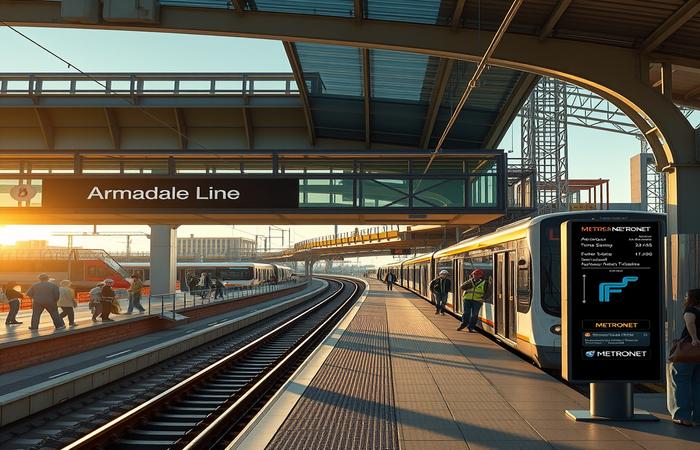
The Armadale Line is back! Experience enhanced safety and efficiency...

August 4, 2025 3:33 pm
Federal funding pulled for Baltimore-Washington high-speed rail project. DOT...
Cleveland-Chicago Hyperloop: A 28-minute journey? Learn how this...
November 25, 2025 4:42 pm
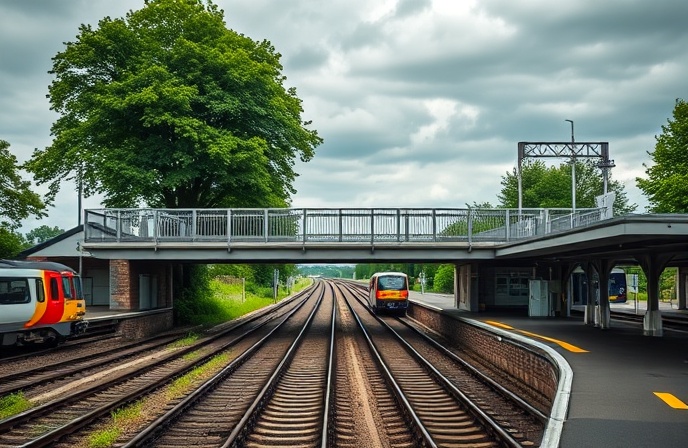
TfL embraces Network Rail-approved **polyurethane coatings** at Roding Valley Station,...
June 8, 2019 10:04 pm
Revolutionize rail efficiency with Traxens' real-time cargo tracking. Boost...
June 17, 2018 1:45 pm
Experience the Siemens Velaro Novo: 30% less energy, 10% more...