
Tren Maya Delays: Politics, Infrastructure, and Sustainability
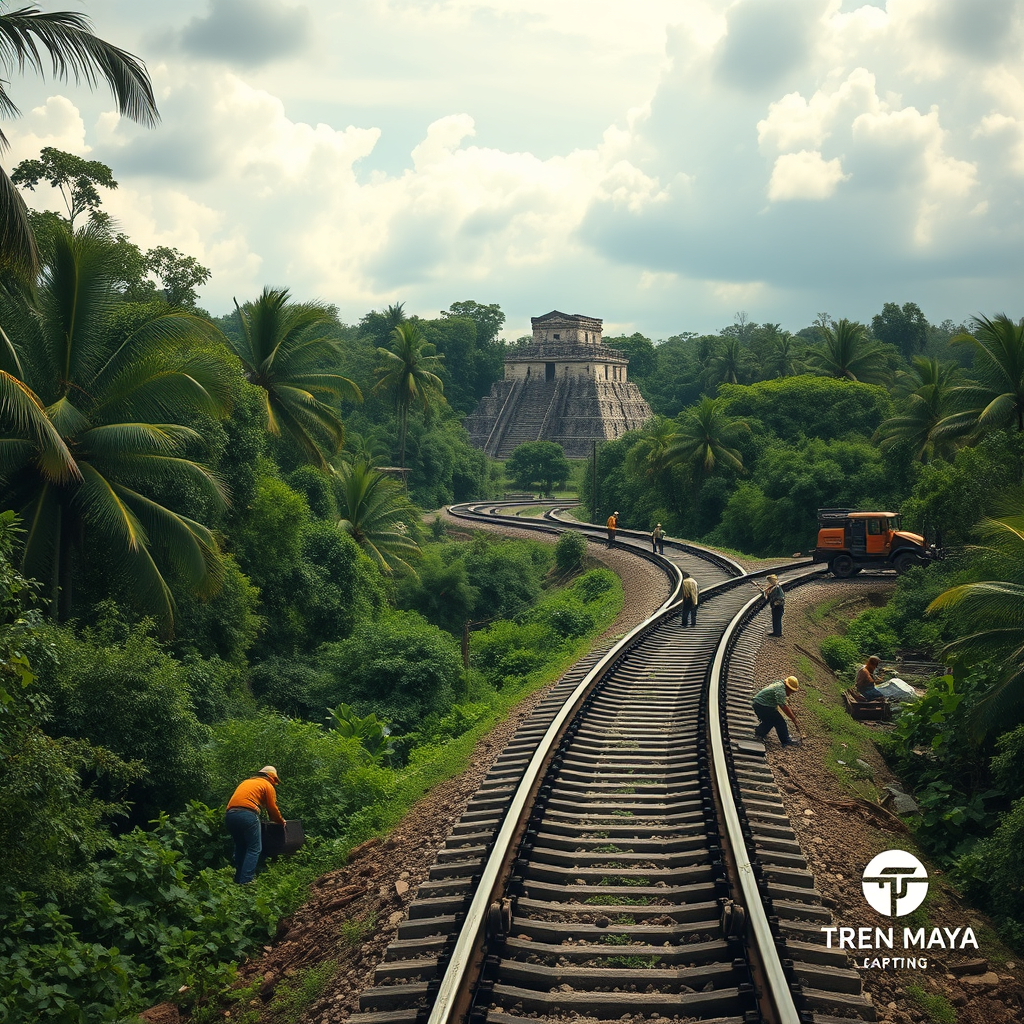
This article analyzes the delays in the full inauguration of Mexico’s Tren Maya (Mayan Train) project, exploring the interplay between political timelines, infrastructural challenges, and socio-environmental concerns. The Tren Maya, a significant undertaking aiming to boost tourism and regional development in southeastern Mexico, has faced numerous hurdles since its inception. This analysis delves into the reasons behind the project’s delayed completion, examining the stated rationale of the Mexican government, the impact of ongoing construction, and the wider socio-political context surrounding the project. We will consider the project’s operational performance during its initial phase, along with its broader implications for sustainable tourism, regional economic growth, and the concerns raised by indigenous communities and environmental groups. Finally, the article will attempt to draw conclusions on the long-term viability and overall success of the Tren Maya project.
Political Timing and the Tren Maya Inauguration
The Mexican government’s decision to postpone the full inauguration of the Tren Maya until after the upcoming elections highlights the intricate relationship between large-scale infrastructure projects and national political calendars. President Andrés Manuel López Obrador’s statement directly linking the delay to the elections suggests a prioritization of political stability and positive public perception ahead of the vote. This decision raises questions about the potential influence of political considerations on the project’s timeline and the overall management of large infrastructure projects in Mexico. Delaying completion until after the elections might be seen as a strategic move to avoid negative publicity potentially associated with any unresolved issues or unforeseen challenges during the project’s final stages.
Infrastructural Challenges and Construction Progress
The incomplete nature of the Tren Maya’s construction is a crucial factor contributing to the delay. While the initial section opened in December 2023, sections 5, 6, and 7 remain under construction. The significant length of the project, coupled with the complexities inherent in building railway infrastructure across diverse terrains and environments, presents inherent challenges. Section 5, running 45.6 kilometers between Cancun airport and Playa del Carmen, while nearing completion at 87%, still requires further work before operational readiness. The remaining sections likely face similar hurdles, potentially involving land acquisition, environmental mitigation, and intricate engineering tasks. The challenges in completing these sections, including potential workforce limitations and material sourcing, likely contribute significantly to the overall delay.
Socio-Environmental Concerns and Public Perception
The Tren Maya project has attracted significant controversy, with environmental and indigenous groups raising concerns regarding its impact on the environment and local communities. These concerns, ranging from deforestation and habitat loss to the displacement of indigenous populations, have fueled public discourse and generated resistance to the project. While the government has highlighted the positive economic impacts, these socio-environmental concerns cannot be ignored. Balancing the economic benefits of the railway with the preservation of the environment and the rights of indigenous communities remains a critical challenge. Addressing these concerns effectively is crucial for ensuring the long-term sustainability and acceptance of the project.
Operational Performance and Passenger Numbers
Despite the delays and controversies, the initial operational phase of the Tren Maya has demonstrated a significant level of passenger use, exceeding 37,000 riders in its first month. This suggests a strong underlying demand for the service, particularly from domestic Mexican tourists. The breakdown of passenger numbers highlights a high proportion of local and national passengers, indicating successful engagement with the local population and regional tourism markets. This early success shows potential for economic benefits, but long-term economic sustainability depends on continued ridership, efficient operations, and the overall success of the project in attracting both domestic and international tourism.
Conclusions
The delayed full inauguration of the Tren Maya highlights a complex interplay of factors. The government’s decision to postpone the opening until after the elections underscores the influence of political timing on large-scale infrastructure projects. The ongoing construction on several sections reveals the significant infrastructural challenges involved in completing such a vast undertaking. Addressing the socio-environmental concerns voiced by indigenous communities and environmental groups remains crucial for the project’s long-term sustainability and public acceptance. While initial operational data shows positive ridership, suggesting potential economic benefits, the project’s ultimate success hinges on the completion of all sections, effective management of socio-environmental issues, and the ability to maintain passenger interest and attract international tourism. The Tren Maya’s long-term viability depends on addressing these diverse factors, ensuring a balanced approach that prioritizes economic development while respecting environmental protection and the rights of indigenous communities. The ability to successfully navigate these complexities will ultimately determine the extent to which the project fulfills its stated goals and leaves a positive and lasting legacy.
RELATED POSTS

June 5, 2016 2:28 pm
India's cabinet committee on economic affairs has approved the construction...
August 11, 2025 8:33 am
Poland's Container Terminal Mala to build intermodal terminal, boosting EU...

October 20, 2019 9:31 am
The Financial Sustainability of High-Speed Rail: A Case Study of...
August 13, 2022 12:37 am
This article examines the significant €280 million contract awarded to...
March 27, 2022 9:48 pm
The Transition to LED Lighting in Melbourne’s Metro Train Network:...
December 31, 2021 8:40 pm
This article examines the recent contract awarded to Pestech International...