
Transnet’s $1B Rescue: Rail, Port & Economic Boom?
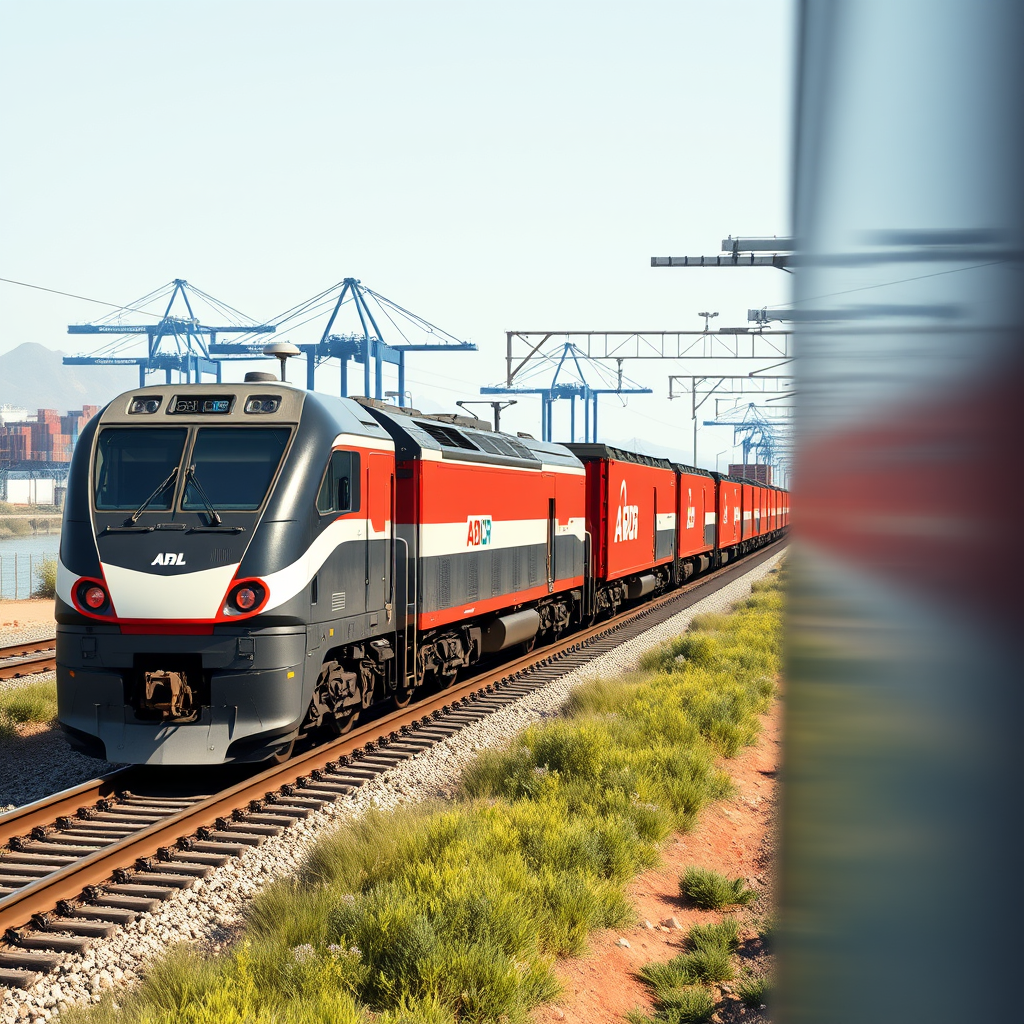
This article examines the significant financial injection received by Transnet, South Africa’s national logistics and freight company, and its implications for the country’s railway infrastructure and economic development. Transnet, facing considerable operational challenges stemming from aging infrastructure, underinvestment, and operational inefficiencies, has secured a substantial loan to revitalize its rail and port operations. This $1 billion loan, fully guaranteed by the South African government and provided by the African Development Bank (ADB), constitutes the initial phase of a broader five-year, $8.1 billion capital investment plan. The article will delve into the details of this financial assistance, exploring its intended impact on Transnet’s operational efficiency, infrastructure rehabilitation, and its wider contribution to the South African economy and regional trade within the Southern African Development Community (SADC) region. Further, we will analyze the potential impact of supplementary grants being considered by the ADB for energy efficiency and decarbonization initiatives, and for accelerating railway reform. This comprehensive analysis will highlight the critical role of Transnet in South Africa’s economic landscape and the strategic importance of investing in its modernization and sustainability.
Transnet’s Financial Rescue Package: A Detailed Look at the ADB Loan
The $1 billion loan from the African Development Bank (ADB) represents a crucial lifeline for Transnet. This substantial investment, fully backed by the South African government, signifies a commitment to addressing the company’s long-standing operational challenges and infrastructure deficiencies. The funding will be instrumental in initiating the first phase of Transnet’s ambitious five-year, $8.1 billion capital expenditure program. This program aims to significantly improve the capacity and operational efficiency of Transnet’s rail and port networks. The loan underscores the critical role Transnet plays in South Africa’s economy and the regional trade within the SADC region. Addressing operational inefficiencies, particularly within the rail sector, is paramount to restoring Transnet’s competitiveness and ensuring the smooth flow of goods within South Africa and beyond.
Addressing Operational Inefficiencies in Rail and Port Operations
Transnet’s operational struggles have been well-documented, with significant challenges affecting both its rail and port divisions. Years of underinvestment have resulted in aging infrastructure, leading to reduced efficiency and capacity constraints. The rail network, in particular, has faced substantial issues including cable theft, locomotive part shortages, and internal restructuring. These issues, in addition to operational inefficiencies, have resulted in reduced cargo capacity and service disruptions. The ADB loan is intended to directly address these challenges by facilitating necessary infrastructure upgrades, equipment procurement, and operational improvements. This includes investments in modern signaling systems, track rehabilitation, locomotive maintenance and procurement, and improved port handling capabilities.
The Role of Technological Advancements and Sustainable Practices
Beyond the core infrastructure improvements, Transnet’s recovery plan recognizes the importance of technological advancements and sustainable practices. The ADB is considering additional grants to support Transnet’s energy efficiency and decarbonization efforts, as well as railway reform initiatives. A $750,000 grant is being considered for energy efficiency and decarbonization, reflecting a global shift towards sustainable transportation. This investment could involve the adoption of renewable energy sources, the implementation of energy-efficient technologies in locomotives and port operations, and a reduction of carbon emissions. Further, a $1 million grant to accelerate railway reform suggests a commitment to streamlining processes, enhancing governance, and improving overall operational effectiveness. These initiatives will not only improve efficiency but also enhance Transnet’s long-term sustainability and competitiveness.
Broader Economic Impact and Regional Significance
Transnet’s revitalization has far-reaching consequences for the South African economy and the wider SADC region. As the custodian of South Africa’s critical transport and logistics infrastructure, Transnet’s efficiency directly impacts the country’s ability to export and import goods. Improved rail and port operations will streamline logistics, reduce transportation costs, and improve the overall competitiveness of South African businesses. This, in turn, will stimulate economic growth and create jobs. Furthermore, Transnet serves as a vital gateway to the SADC region, connecting South Africa to neighboring countries and facilitating regional trade. The successful implementation of Transnet’s recovery plan will therefore not only benefit South Africa but will also have a positive ripple effect on the economic development of the entire SADC region.
Conclusion
The substantial financial support provided by the ADB to Transnet represents a significant step towards revitalizing South Africa’s national logistics and freight system. The $1 billion loan, coupled with potential supplementary grants focused on sustainability and operational reform, will be instrumental in addressing the company’s longstanding challenges and modernizing its infrastructure. The investment focuses on improvements to rail and port operations, tackling issues such as aging infrastructure, operational inefficiencies, and equipment shortages. The successful implementation of Transnet’s recovery plan is crucial not only for South Africa’s economic growth and job creation but also for the development of regional trade within the SADC region. This initiative demonstrates a commitment to sustainable and technologically advanced transportation solutions, positioning Transnet to play a pivotal role in the future of South African and regional economic development. The success of this endeavor hinges on effective project management, transparent governance, and a sustained commitment to operational efficiency and sustainability. The future success of this ambitious plan will require ongoing monitoring, evaluation, and adaptation to ensure its long-term impact and contribution to a stronger, more resilient and sustainable South African economy.
RELATED POSTS

February 13, 2025 11:43 am
The global rail industry is undergoing a significant transformation driven...

Upgrade your commuter rail system with modern infrastructure and a...
February 8, 2017 2:58 am
Here's an excerpt tailored for railway professionals:The Port of Long...

February 13, 2025 6:23 am
Modernizing Spain’s Rail Freight Network: Adif’s Strategic Investments This article...

A South African-led consortium is to invest US$130m in upgrading...

September 30, 2009 12:10 pm
Swiss metro-gauge operator Zentralbahn has placed a $138m (CHF141m) order...