
Thailand’s High-Speed Rail: Budget Boost, Technology Upgrade

This article examines the recent budget increase for the high-speed rail (HSR) project connecting Bangkok to Nong Khai in Thailand. The project, a significant undertaking for Thailand’s infrastructure development, has faced challenges, including budget constraints and subsequent delays. This analysis delves into the reasons behind the budget revision, the allocation of the additional funds, the technological implications of the upgrades, and the overall impact on the project timeline and operational efficiency. We will explore the strategic choices made by the Thai government, examining the balance between short-term financial implications and the long-term benefits of a modernized and efficient high-speed rail network. The interplay between cost, technology, and timely completion will be analyzed, highlighting the complexities inherent in large-scale infrastructure projects. Understanding these factors is crucial not only for Thailand but also for other nations considering similar HSR initiatives. The implications of the Chinese contractor’s involvement and the adoption of Fuxing Hao trains (China’s high-speed train technology) will also be assessed.
Budgetary Expansion and its Justification
The Thai government’s decision to increase the budget for the Bangkok-Nong Khai HSR project by THB 12 billion (approximately $380 million) underscores the project’s importance to national development. This increase, approved under “Contract 2.3,” directly addresses previous budget constraints that led to project delays. The allocation of these funds is strategically focused on enhancing the system’s long-term viability and efficiency. Specifically, a significant portion is designated for the procurement of advanced Fuxing Hao trains from China, known for their reliability and high-speed capabilities. This investment reflects a commitment to modernizing rolling stock and enhancing passenger comfort and experience.
Technological Advancements and Infrastructure Upgrades
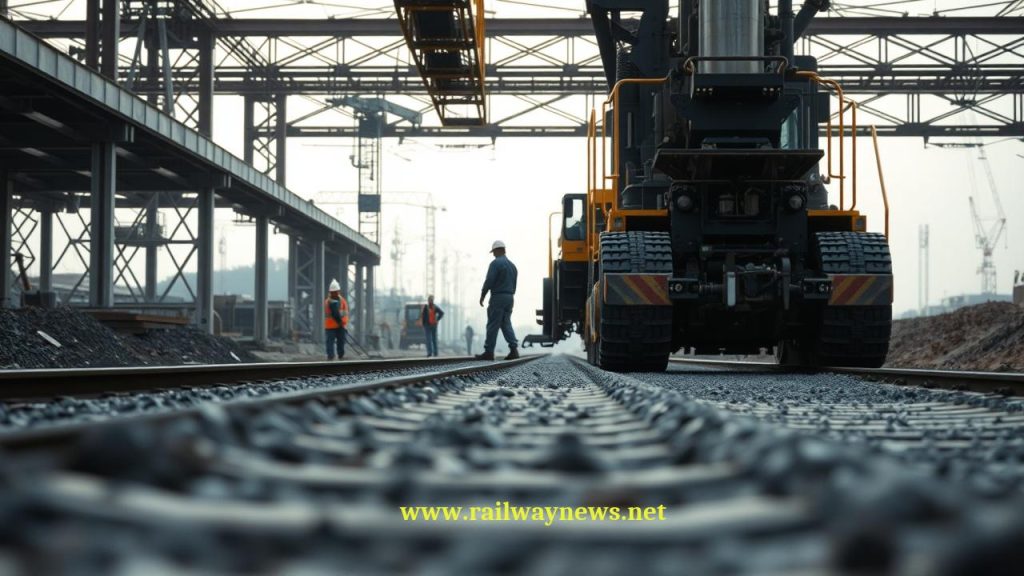
Beyond the acquisition of new trains, a substantial portion of the additional budget is allocated to upgrading the rail infrastructure. The investment in ballastless track technology is noteworthy. Ballastless track systems, which use concrete sleepers instead of traditional ballast, offer superior stability, reduced maintenance needs, and increased longevity compared to conventional ballasted track. This reduces long-term operational costs and minimizes disruptions caused by maintenance work, improving the overall operational efficiency of the line. Additionally, funds are allocated for construction of an Electronic Multiple-Unit (EMU) facility, indicating a long-term commitment to local maintenance and technological self-sufficiency.
Project Timeline and Completion
The initial phase of the project, covering a 253km stretch from Bangkok to Nakhon Ratchasima, commenced in 2018 with an initial projected completion date of 2023. However, the previous budget constraints caused delays. While the increased budget aims to accelerate the project, the exact impact on the final completion date remains to be seen. The successful and timely completion of this phase is crucial for proving the project’s feasibility and justifying future expansions towards Nong Khai. Effective project management and efficient utilization of the allocated funds will be crucial in mitigating potential further delays.
Chinese Contractor Involvement and Technological Transfer
The engagement of Chinese contractors for the HSR project signifies a significant technological transfer aspect. The use of Fuxing Hao trains and the associated expertise in their operation and maintenance will provide Thailand with valuable knowledge and experience in high-speed rail technologies. This can contribute to the long-term capacity-building within the Thai railway sector and potentially foster future collaborations in rail infrastructure development. However, careful management of this transfer is critical to ensure seamless integration and avoid potential future dependencies on foreign expertise.
Conclusion
The substantial budget increase for the Bangkok-Nong Khai high-speed rail project marks a crucial turning point for Thailand’s ambition to modernize its transportation network. The strategic allocation of funds towards procuring advanced Fuxing Hao trains and implementing ballastless track technology reflects a commitment to building a sustainable and efficient high-speed rail system. While previous budget limitations caused delays, this injection of capital aims to accelerate progress and alleviate those concerns. The successful implementation of this project will not only improve connectivity and boost economic activity within Thailand but will also serve as a compelling case study for other nations exploring similar high-speed rail initiatives. The project’s success hinges upon effective project management, the seamless integration of advanced technologies, and efficient utilization of allocated resources. The integration of Chinese technology and expertise offers opportunities for technological advancement and capacity building within the Thai railway sector, providing long-term benefits beyond the initial project completion. However, it is critical to maintain a focus on achieving timely completion while ensuring the efficient and sustainable operation of the upgraded system. Close monitoring and transparent reporting will be crucial to measure the efficacy of this investment and its impact on Thailand’s economic and infrastructural development.
RELATED POSTS
April 1, 2026 12:10 pm
Alstom secured a €410 million contract from CFR SA to...