
Swiss Mountain Railways Go Modern: Stadler’s TPC Revolution
Modernizing Swiss Mountain Railways: A Case Study of Stadler’s Contract with Transports Publics du Chablais (TPC)
This article examines the significant modernization project undertaken by Transports Publics du Chablais (TPC), a Swiss transportation company, focusing on their recent CHF 140 million ($155.5 million) contract with Stadler for the delivery of 13 new rack and pinion adhesion trains. This investment represents the culmination of a broader strategy to upgrade TPC’s rail fleet and infrastructure, enhancing passenger experience, accessibility, and operational efficiency across its mountain lines. The project underscores the importance of sustainable and accessible transport solutions in challenging geographical terrains, highlighting the technical complexities and innovations involved in developing modern rack railway systems. This analysis will delve into the specifics of the new rolling stock, the broader context of TPC’s modernization efforts, and the implications for the future of mountain railway operations in Switzerland. We’ll explore the technological advancements incorporated into these new trains, addressing considerations of accessibility, energy efficiency, and the overall impact on passenger satisfaction and the environmental footprint of the railway system. The analysis also considers the broader implications for sustainable transport strategies in mountainous regions worldwide.
The Stadler Contract and its Implications
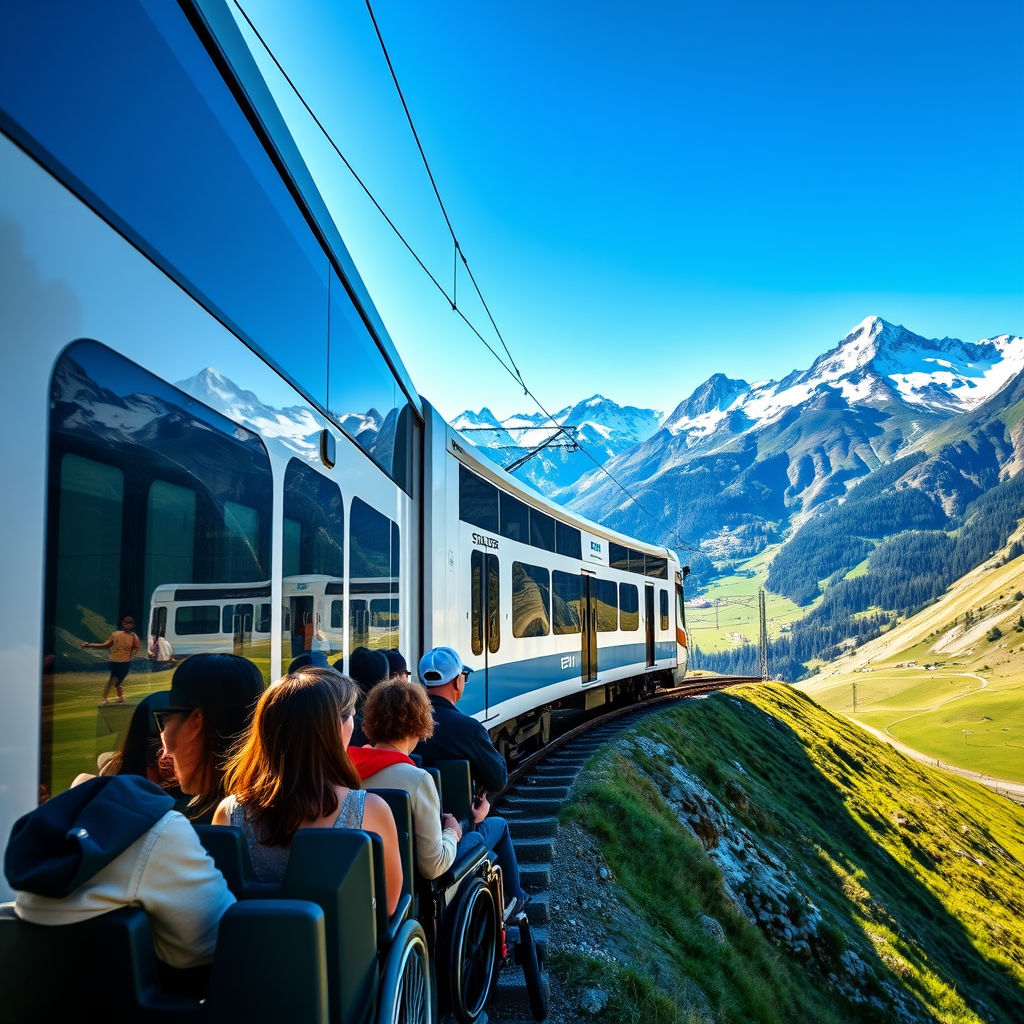
The contract awarded to Stadler by TPC is crucial for the modernization of the Aigle-Leysin and Bex-Villars-Bretaye lines. The 13 custom-built rack and pinion adhesion trains represent a substantial investment, including both the vehicles themselves and essential spare parts. This move signifies TPC’s commitment to improving its services and aligning with modern standards of passenger comfort and operational efficiency. The selection of Stadler, a renowned manufacturer of railway vehicles, highlights the company’s expertise in designing and building reliable, high-performance trains suited to challenging mountain environments. The trains’ key features, such as a low entry height (350mm) compliant with the Disability Equality Act, increased luggage space, and panoramic windows, are designed to enhance the passenger experience.
Technological Advancements in the New Rolling Stock
The new trains are equipped with several advanced features. Their ability to switch between rack and pinion (a system using a gear to climb steep inclines) and adhesion modes (conventional wheel-on-rail operation) allows for flexibility across varied terrain. The trains are designed to handle gradients up to 23% and navigate tight curves, a significant improvement over older rolling stock. Furthermore, the incorporation of energy recovery systems during descent optimizes energy efficiency and reduces operational costs. This commitment to sustainability aligns with broader environmental concerns and reduces the system’s overall carbon footprint. The higher operating power ensures a smoother and more comfortable ride for passengers.
TPC’s Broader Modernization Strategy
The Stadler contract forms part of a larger modernization plan by TPC. The replacement of rolling stock on other lines (Aigle-Ollon-Monthey-Champéry in 2016 and Aigle-Sepey-Diablerets in 2024) demonstrates a consistent effort to improve its fleet. The project extends beyond rolling stock to encompass infrastructure development, such as the planned extension of the Aigle-Leysin line. This holistic approach emphasizes the integration of new vehicles with improved infrastructure for maximum operational effectiveness and passenger convenience. This strategy demonstrates a forward-thinking approach to sustainable and accessible public transport in a challenging mountainous region.
Conclusion: A Paradigm Shift in Mountain Railway Transport
The collaboration between TPC and Stadler signifies a significant step forward in mountain railway technology and passenger transport. The delivery of 13 new rack and pinion adhesion trains, scheduled for early 2028, marks the completion of a major fleet renewal for TPC, enhancing its service across the Aigle-Leysin and Bex-Villars-Bretaye lines. These trains are not merely replacements for older models; they represent a significant technological advancement. The integration of energy recovery systems, improved accessibility features conforming to the Disability Equality Act, and enhanced passenger amenities illustrate a commitment to both sustainability and passenger satisfaction. The project’s success relies on careful planning and execution, ensuring seamless integration with existing infrastructure and a smooth transition to the new fleet. The project goes beyond mere infrastructure upgrades; it signifies a commitment to sustainable and accessible public transportation in challenging terrains, setting a precedent for similar modernization projects in other mountainous regions globally. The improved efficiency, passenger experience, and enhanced environmental performance of this new rolling stock represent a paradigm shift in mountain railway transport, demonstrating the potential for innovation and modernization in this vital sector.
RELATED POSTS
April 1, 2026 12:10 pm
Alstom secured a €410 million contract from CFR SA to...