
Škoda Group-Mainz Tram Contract: Germany Rail Upgrade & Benefits
Škoda awarded €100M tram contract for Mainz, Germany. New trams will modernize the city’s network, boosting passenger experience.
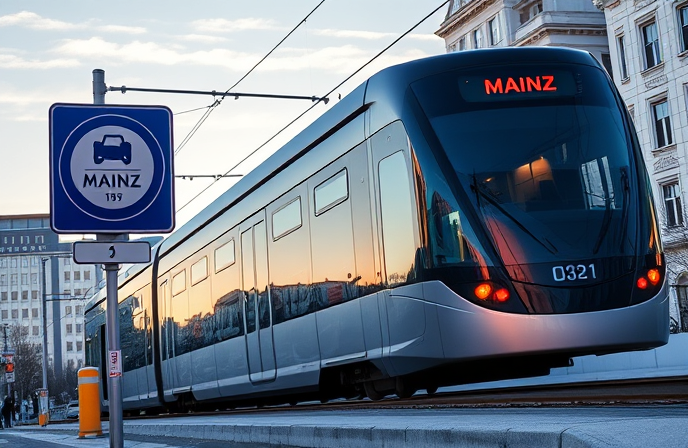
Škoda Group Awarded €100 Million Contract to Supply New Trams to Mainz, Germany
In a significant boost for its public transport network, the city of Mainz, Germany, has awarded Škoda Group a contract worth €100 million for the supply of up to 30 new trams. Scheduled for delivery between 2028 and 2030, the order encompasses a firm order for 22 vehicles, with an option for an additional eight. This ambitious project aims to modernize the city’s tram fleet, enhance passenger experience, and address growing ridership demands. The investment, the largest single procurement in the history of Mainz’s public transport operator, Mainzer Verkehrsgesellschaft (MVG), underscores the city’s commitment to sustainable and efficient urban mobility. This article will delve into the specifics of the new tram design, the financial and strategic considerations behind the procurement, and the broader implications for Škoda Group and the German rail industry.
Advanced Tram Design for Enhanced Passenger Experience
The new trams, based on Škoda’s ForCity Smart platform, are designed to significantly improve the passenger experience. Key features include panoramic windows, offering passengers expansive views of the city. MVG opted for vehicles with bogie technology, which ensures quieter operation compared to trams with rigid axles. These bi-directional trams will operate on 1,000 mm track gauge lines. The approximately 43.5-meter-long trams will feature five double doors per side for efficient boarding and alighting. Each tram is designed to carry a substantial 258 passengers, including 96 seated. This represents a significant increase in capacity compared to the existing high-floor M8C trams (139 passengers) and the low-floor GT6M-ZR models (143 passengers). The new trams are also fully accessible, featuring step-free access throughout, four wheelchair spaces, and ample room for prams, walking frames, and bicycles in multi-purpose areas. Passengers will also benefit from onboard Wi-Fi, USB charging ports, and large information displays. The trams will be fully air-conditioned and use energy-efficient LED lighting.
Financial Support and Investment in Modernization
The €100 million-plus investment in the new trams is the largest single investment in MVG’s history, reflecting the city’s dedication to sustainable urban mobility. The project is supported by a combination of local and regional funding. The City of Mainz has allocated a €12 million investment subsidy in its 2024-25 budget. Mainzer Stadtwerke AG, the city’s municipal utility company, will largely finance the procurement and maintenance. Furthermore, the Ministry of Mobility of Rhineland-Palatinate is contributing an additional €5 million to support the implementation of innovative features. These financial resources underscore the strategic importance of the project, which aims to replace 22 existing trams, including aging M8C and GT6M-ZR models. The funding support from both the city and state underscores the perceived advantages of trams over buses, namely greater comfort, speed, environmental friendliness, and efficiency, particularly for a growing city.
Operational Efficiency and Environmental Benefits
The introduction of the new trams will directly address the need to replace aging rolling stock and increase capacity to meet rising demand. MVG’s Managing Directors, Jochen Erlhof and Florian Wiesemann, highlighted that the new trams will ensure the long-term reliability of tram operations, a crucial factor given the existing fleet’s age. With passenger numbers reaching a record 56.9 million in 2024, matching pre-pandemic levels, the upgrade will ensure the city’s tram system can sustain demand. The new vehicles will replace 22 current trams including six high-floor M8C models from DÜWAG built in 1984, and 16 low-floor GT6M-ZR models from ADtranz dating from 1996, further streamlining operations. Trams, with their dedicated tracks, are central to Mainz’s public transport network, delivering faster and more reliable journeys, and the new fleet will maintain this advantage. The switch to modern, low-emission, and efficient trams aligns with the city’s broader environmental objectives, supporting reduced carbon emissions from the city’s transport sector.
Škoda Group’s Growing Presence in the German Rail Market
The Mainz contract further solidifies Škoda Group’s position as a major player in the German rail market. With this new order, Škoda becomes a key supplier for nine public transport providers operating tram services in 11 German cities. Besides trams, Škoda supplies double-deck NIM Express trains on the busy high-speed route between Nuremberg and Munich, underlining its ability to deliver diverse rolling stock solutions. Furthermore, Škoda manufactures trolleybuses for the city of Esslingen, demonstrating the manufacturer’s commitment to providing a wide range of urban transportation solutions. In total, Škoda has secured contracts for nearly 300 vehicles since entering the German market.
Conclusion
The contract between Škoda Group and MVG represents a significant investment in Mainz’s public transport infrastructure, promising a modern, efficient, and passenger-focused tram system. The project’s emphasis on passenger comfort, accessibility, and environmental sustainability reflects broader trends within the rail industry. The new trams’ increased capacity is essential to accommodate rising ridership. The financial backing from the city and the state of Rhineland-Palatinate highlights the strategic importance of this initiative in supporting the city’s and region’s commitment to improved public transport. For Škoda Group, the contract represents a significant win, strengthening its presence in the German market and showcasing its ability to deliver innovative and reliable rolling stock. Looking ahead, this project serves as a blueprint for future tram network modernization initiatives across Europe, encouraging innovation in design, financing and operation for sustainable public transport solutions.
RELATED POSTS

September 30, 2021 2:22 pm
This article explores the significant investment by the Victorian Government...

September 6, 2025 2:49 pm
FTA proposes revised CIG program guidelines, removing social cost of...
Launching this December: 13 Coradia Continental trains are set to...
January 29, 2023 5:53 pm
The burgeoning e-commerce sector and the pressing need for sustainable...
May 29, 2018 11:58 pm
Hydrogen trains are revolutionizing UK railways! Alstom's Coradia iLint offers...
July 22, 2017 8:49 pm
**Here are a few options for the voiceover excerpt, optimized...