
Alstom’s UK Hydrogen Train Revolution
Hydrogen trains are revolutionizing UK railways! Alstom’s Coradia iLint offers zero-emission travel, slashing costs and meeting 2040 targets. Discover how!
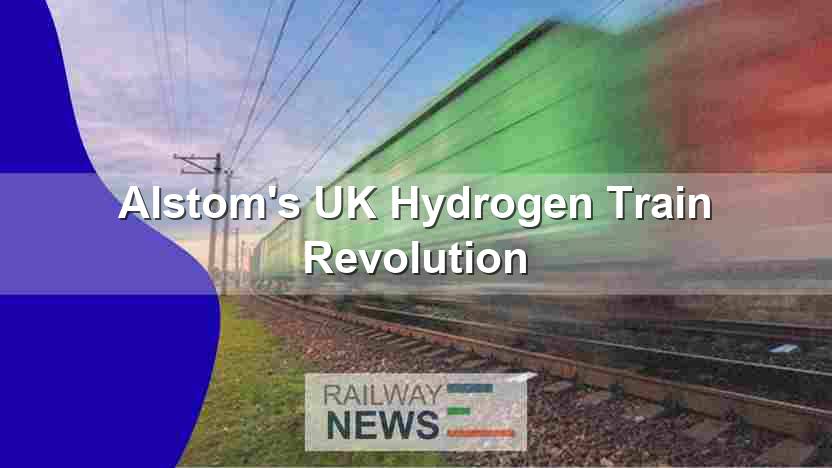
The decarbonization of the UK’s railway network is a pressing issue, with the government aiming to phase out all diesel locomotives by 2040. This ambitious target necessitates exploring and implementing alternative, environmentally friendly propulsion technologies. This article explores Alstom’s pioneering initiative to introduce hydrogen-powered trains to the UK, addressing the technological challenges, economic considerations, and environmental benefits associated with this transition. We will examine the viability of hydrogen trains as a solution for the significant portion of the UK rail network that remains unelectrified, analyzing the technical specifications, infrastructure requirements, and potential impact on the broader railway landscape. The exploration will also include a discussion of the economic factors driving this shift and the potential role of hydrogen technology in achieving a sustainable and efficient railway system for the future.
The Coradia iLint and its Technological Advantages
Alstom’s flagship hydrogen train, the Coradia iLint, represents a significant advancement in railway technology. This train utilizes hydrogen fuel cells (FC) to generate electricity, eliminating the need for diesel engines. The process involves combining hydrogen and oxygen in the fuel cell, producing electricity and emitting only water vapor as a byproduct. This contrasts sharply with diesel trains, which release harmful greenhouse gases and particulate matter. The Coradia iLint’s zero-emission operation offers substantial improvements in air quality and noise reduction, particularly beneficial in densely populated areas. The electrical energy generated by the fuel cells is stored in batteries, providing a reliable and consistent power supply for traction. This hybrid approach ensures optimal performance even during periods of high energy demand.
Addressing the Challenges of Hydrogen Train Implementation
Despite the environmental and operational benefits, the widespread adoption of hydrogen trains faces several challenges. One significant hurdle is the establishment of a robust hydrogen refueling infrastructure. This requires substantial investment in production facilities using sustainable sources of electricity and electrolysis to produce green hydrogen, as well as a network of strategically located refueling stations along railway lines. Additionally, the cost of hydrogen fuel cells and associated components remains relatively high compared to traditional diesel engines, although this cost is expected to decrease with economies of scale and technological advancements. Safety considerations surrounding the storage and handling of hydrogen also necessitate strict regulations and robust safety protocols.
The Economic Case for Hydrogen Trains
The economic viability of hydrogen trains is a critical factor in their widespread adoption. While the initial investment in rolling stock and infrastructure is significant, the long-term operational costs might be more favorable compared to diesel trains. The avoidance of line electrification, a costly undertaking for many non-electrified lines, offers substantial savings. The reduced maintenance requirements associated with the simpler mechanics of fuel cell technology represent another potential cost advantage. Additionally, government incentives and policies aimed at supporting the transition to cleaner transportation could further improve the economic competitiveness of hydrogen trains.
The Future of Hydrogen Trains in the UK
Alstom’s partnership with Eversholt Rail to retrofit existing Class 321 electric multiple units (EMUs) with hydrogen technology demonstrates a pragmatic approach to decarbonization. This phased implementation allows for a gradual transition, minimizing risks and facilitating learning from real-world operational experience. The success of this project will be pivotal in showcasing the viability of hydrogen technology and encouraging further investment in this promising area. As hydrogen production technologies advance and costs decrease, the adoption of hydrogen trains is likely to accelerate, contributing significantly to the UK’s goal of a net-zero railway system. The technology also offers a solution for lines where electrification is impractical or uneconomical, ensuring a widespread impact across the entire rail network.
Conclusion
Alstom’s commitment to introducing hydrogen trains to the UK represents a significant step towards achieving a sustainable and environmentally friendly railway system. The Coradia iLint, with its zero-emission operation, offers a compelling alternative to diesel locomotives, addressing concerns about air quality and noise pollution. While challenges remain in establishing the necessary hydrogen infrastructure and managing the associated costs, the long-term economic benefits and environmental advantages are substantial. The phased implementation approach, starting with the conversion of existing EMUs, is a strategic move that allows for risk mitigation and valuable operational experience. Government support and continuous technological advancements are crucial for accelerating the adoption of hydrogen trains. Ultimately, the success of this initiative will not only contribute to decarbonizing the UK railway network but also serve as a model for other countries seeking to achieve similar environmental goals. The potential for cost savings from avoiding widespread electrification, coupled with the improved environmental performance and reduced maintenance, makes hydrogen technology a strong contender for achieving the UK’s 2040 diesel elimination targets. The long-term viability of this technology hinges on the continued development of sustainable hydrogen production methods, cost reductions in fuel cell technology, and the creation of a detailed refueling infrastructure. The successful deployment of hydrogen trains in the UK could set a precedent for global decarbonization efforts in the rail industry, paving the way for cleaner, quieter, and more sustainable transportation for future generations.

Transport and railway industry editor covering global rail infrastructure, sustainable mobility, urban transit systems and next-generation railway technologies with a focus on accessible and industry-focused reporting.
RELATED POSTS
September 6, 2026 5:19 am
Hitachi delivered Taiwan's first N700ST high-speed train from Japan in...

September 5, 2026 4:19 pm
CPK launched formal tender talks with four consortia to design...

September 5, 2026 7:14 pm
HS2 Ltd signed renegotiated civils contracts with EKFB and Align...

September 6, 2026 4:12 am
Alstom delivered the first of 100 new G Class trams...
September 6, 2026 6:17 am
Hungary ordered a national ban on most freight trains from...
September 6, 2026 1:17 am
Hitachi Toshiba Supreme Consortium confirmed the first of 12 N700ST...