
Railway Decarbonization: Challenges, Solutions, and Future
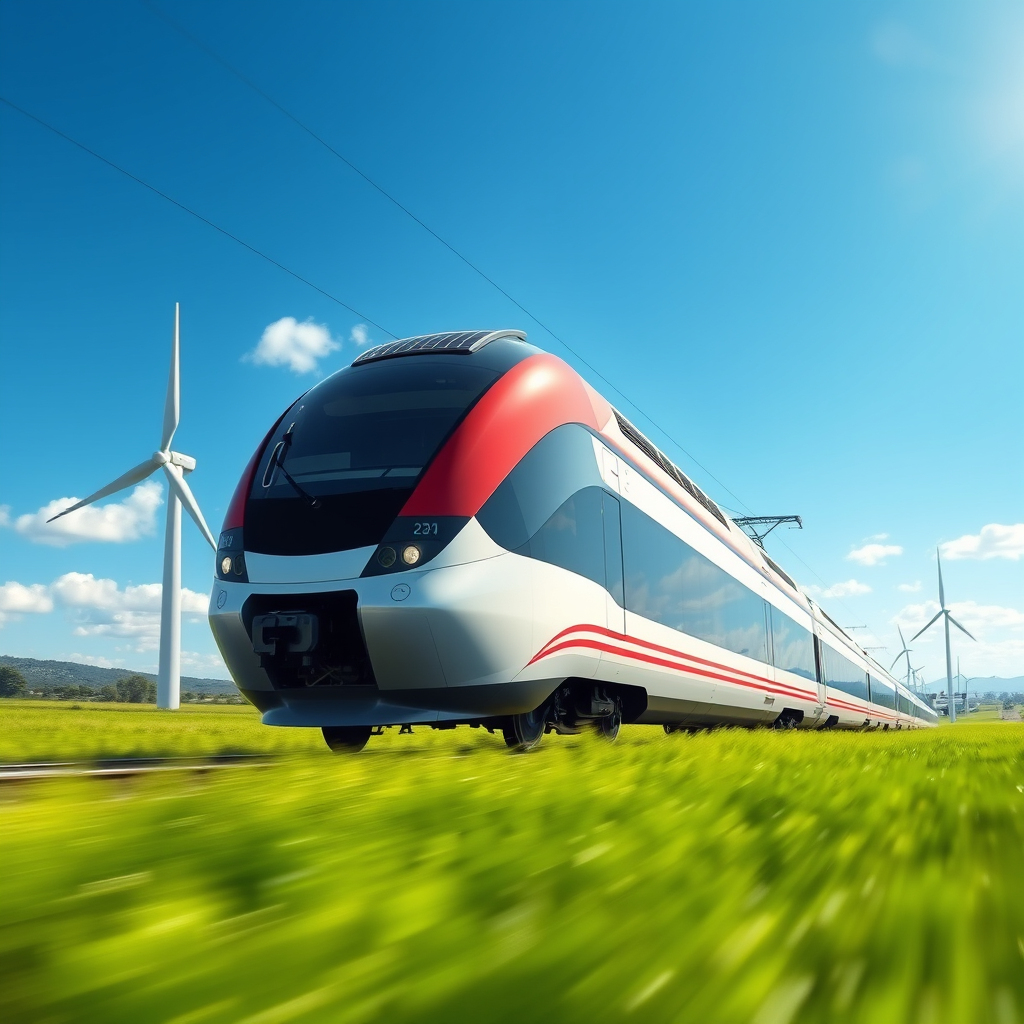
The global railway sector stands at a critical juncture, facing the urgent need to decarbonize its operations while simultaneously ensuring the efficient and reliable movement of goods and people. This article will explore the challenges and opportunities presented by the imperative to mitigate climate change within the railway industry, focusing on the implications of exceeding the 1.5°C global warming target and the necessary strategies for adaptation and mitigation. We will delve into the current energy landscape of the railway sector, examining the dominant role of fossil fuels and the potential of various alternative technologies. Further, we will discuss the importance of policy interventions, technological advancements, and international cooperation in accelerating the transition towards a sustainable railway system. Finally, we will consider the wider societal and economic benefits of a decarbonized railway network, highlighting its role in achieving broader sustainability goals.
The Current State of Railway Decarbonization
The railway industry, while generally considered more energy-efficient than road transport, remains heavily reliant on fossil fuels. Diesel locomotives, in particular, represent a significant source of greenhouse gas (GHG) emissions. While electrification offers a crucial pathway towards decarbonization, its implementation faces significant challenges, including high upfront capital costs, the need for extensive infrastructure upgrades (such as overhead line systems or third rail electrification), and geographical limitations. Furthermore, the production of electricity itself must also be considered, with the grid’s reliance on fossil fuels negating some of the environmental benefits of electric trains unless paired with renewable energy sources.
Alternative Technologies and Fuels
Beyond electrification, several alternative technologies and fuels are emerging as potential solutions for decarbonizing railway operations. These include:
- Hydrogen fuel cells: Offering zero-tailpipe emissions, hydrogen fuel cells present a promising option for long-distance routes or areas where electrification is impractical. However, widespread adoption faces challenges related to hydrogen production, storage, and distribution infrastructure.
- Biofuels: Derived from renewable sources, biofuels can be used in existing diesel locomotives, offering a shorter-term solution while transitioning to cleaner alternatives. Sustainability concerns regarding land use and potential food security impacts must be addressed.
- Battery-electric trains: Suitable for shorter distances and regional lines, battery-electric trains provide a viable option for reducing emissions in suburban and commuter services. Advances in battery technology are key to expanding their range and operational capabilities.
Policy and Regulatory Frameworks
Governments play a crucial role in accelerating the transition to a sustainable railway system through supportive policies and regulations. This includes:
- Incentivizing investment in renewable energy sources: Ensuring that electricity used for railway operations comes from renewable sources is paramount. Policies that incentivize renewable energy generation and grid modernization are essential.
- Providing financial support for electrification projects: The high capital costs associated with electrification require significant government funding and subsidies to make projects economically viable.
- Setting ambitious emission reduction targets: Clear targets and deadlines create urgency and encourage innovation and investment in decarbonization technologies.
- Promoting international cooperation: Sharing best practices, research, and technological advancements across countries is essential for accelerating global railway decarbonization efforts.
The Socio-economic Benefits of a Sustainable Railway System
Beyond environmental benefits, a decarbonized railway system offers significant socio-economic advantages:
- Improved air quality: Reducing emissions leads to improved public health and reduced healthcare costs.
- Job creation: Investment in renewable energy infrastructure and new technologies creates new jobs in manufacturing, engineering, and operation.
- Enhanced energy security: Reducing reliance on fossil fuels enhances energy independence and security.
- Sustainable economic growth: Investment in a sustainable railway system stimulates economic growth and contributes to a more resilient and competitive economy.
Conclusions
The railway industry faces a significant challenge in achieving substantial decarbonization, especially given the current global trajectory exceeding the 1.5°C warming target. While electrification remains a pivotal strategy, a multi-faceted approach embracing diverse technologies like hydrogen fuel cells and biofuels, alongside strategic policy interventions, is crucial. Governments must prioritize substantial investments in infrastructure upgrades and incentivize the adoption of cleaner technologies through targeted funding and supportive regulations. The transition requires a collaborative effort involving railway operators, technology providers, policymakers, and the broader public. A shift towards a sustainable railway system not only addresses the climate crisis but also fosters economic growth, improves public health, and enhances energy security. Delaying action will only exacerbate the challenges and increase the costs associated with achieving a truly sustainable railway system in the long term. The long-term success depends on a comprehensive strategy that integrates technological innovation, policy support, and a commitment to collaborative action at all levels. The opportunities are significant, with the potential to create a more efficient, resilient, and environmentally responsible transport sector capable of meeting the demands of a growing global population while mitigating the impacts of climate change. The time for decisive action is now.
RELATED POSTS

July 30, 2025 3:33 pm
“`html Portugal Secures Funding and Advances High-Speed Rail Project Connecting...

December 4, 2013 3:00 pm
Stadler Rail signed a contract with Voith regarding the sale...
December 12, 2019 1:46 am
This article explores the significant investment by First Trenitalia in...
September 29, 2016 1:11 pm
Here's a voiceover-friendly excerpt for railway professionals:"The Port of Long...

October 25, 2009 10:47 pm
Thales has won a €36m contract in Turkey to supply...
February 10, 2020 5:12 pm
This article delves into the significant contract awarded to Thales...