
NSW Regional Rail: A 10-Year Transformation
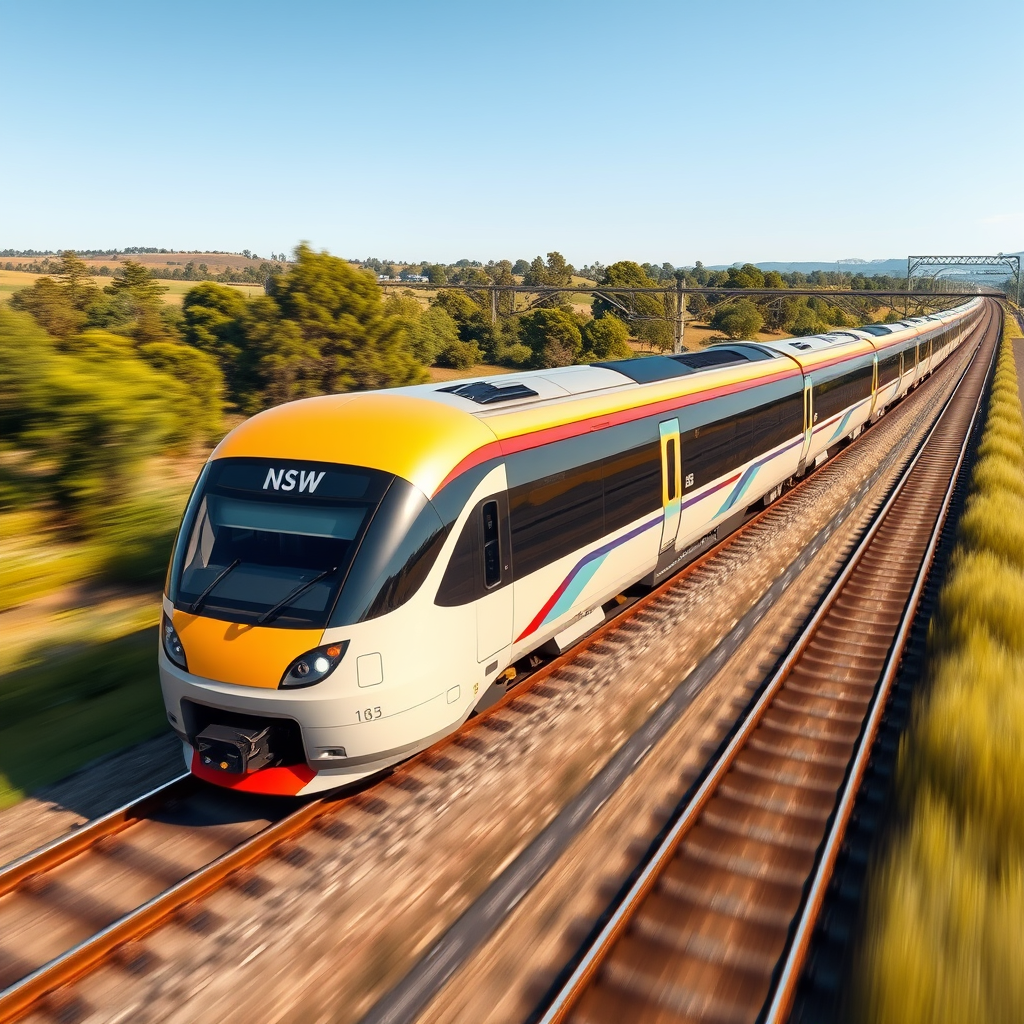
The New South Wales Regional Network East/West Uplift (RNEW) Programme: A Ten-Year Vision for Regional Rail
The New South Wales (NSW) Government’s recent announcement of the Regional Network East/West Uplift (RNEW) Programme marks a significant shift in the state’s approach to regional rail infrastructure development. This ten-year plan aims to move beyond the previously ad-hoc investment model, characterized by sporadic projects and a lack of cohesive strategic planning. The RNEW Programme represents a commitment to a more structured, data-driven, and collaborative approach, ensuring that investments in regional rail meet the comprehensive needs of both freight and passenger transport. This article will delve into the key aspects of this initiative, exploring its objectives, methodology, and potential impact on the NSW regional rail network. The analysis will highlight the importance of strategic planning, stakeholder engagement, and synergy with existing initiatives in achieving a sustainable and efficient regional rail system. Ultimately, the success of the RNEW Programme hinges on its ability to effectively address the complex challenges facing NSW regional rail, ensuring long-term economic growth and improved connectivity for the state.
Addressing Past Shortcomings
Previous infrastructure investments in NSW regional rail were often characterized by a lack of strategic vision. Projects like Fixing Country Rail and the Main West Capacity Enhancement Programme, while individually valuable, suffered from a lack of coordination and overarching strategic goals. This resulted in project delays, inefficiencies, and ultimately, suboptimal outcomes. The RNEW Programme directly addresses these shortcomings by establishing a clear, long-term investment strategy. This involves a comprehensive data analysis to assess current capacity, reliability, and future needs. It also prioritizes stakeholder engagement, including freight industry representatives, rail operators, passengers, and local governments, to ensure the plan reflects the diverse needs and perspectives of all stakeholders. This collaborative approach is crucial to overcoming past fragmentation and ensuring the effectiveness of future investments.
A Data-Driven Approach to Strategic Planning
The core of the RNEW Programme is its commitment to evidence-based decision-making. A thorough assessment of existing assets, coupled with sophisticated data analysis, will inform investment priorities. This includes evaluating the capacity and reliability of existing lines, identifying critical bottlenecks, and forecasting future demand based on projected economic growth and population changes. The strategy will also incorporate advanced modeling techniques to optimize network performance and ensure that investments are aligned with long-term sustainability goals. By relying on data-driven insights rather than ad-hoc decisions, the RNEW Programme aims to deliver more efficient and effective outcomes, maximizing the return on investment in regional rail infrastructure.
Synergies and Integration
The RNEW Programme recognizes the importance of coordinating with existing and future rail initiatives. A key focus will be exploring synergies with major projects like Inland Rail (a nationally significant freight rail project) and the ongoing Freight Policy Reform. This integrated approach aims to avoid duplication of efforts, maximize the efficiency of infrastructure investments, and ensure the seamless integration of regional rail with broader transport networks. Alignment with Strategic Regional Integrated Transport Plans across NSW’s nine regional areas will further enhance connectivity and optimize the overall transportation network within the state. This holistic approach is crucial for creating a truly integrated and efficient transportation system.
Engagement and Implementation
Successful implementation of the RNEW Programme relies heavily on effective stakeholder engagement. Extensive consultations with the freight industry, rail operators, passengers, and local government are planned for 2025. This participatory approach aims to build consensus, incorporate diverse perspectives, and ensure that the final strategy reflects the needs and priorities of all stakeholders. The anticipated completion of the strategy in 2026 will mark a significant milestone, providing a roadmap for future investment decisions and setting the stage for a decade of transformative improvements to the NSW regional rail network. The Country Regional Network (CRN), encompassing over 2,300km of operational rail lines crucial for freight (transporting 2.7 billion gross tonnes annually) and passenger services (over 120 weekly services), will be a central focus of these improvements. The long-term success of the RNEW Programme will depend on ongoing collaboration and adaptation to ensure the strategy remains relevant and responsive to evolving needs.
Conclusions
The NSW Government’s RNEW Programme represents a significant departure from past approaches to regional rail infrastructure development. By adopting a strategic, data-driven, and collaborative approach, the Programme aims to address the shortcomings of previous ad-hoc investment strategies. The emphasis on evidence-based planning, stakeholder engagement, and synergy with other major rail initiatives is crucial to achieving the programme’s ambitious goals. The comprehensive analysis of existing assets, coupled with advanced forecasting techniques, will allow for more effective prioritization of investments, maximizing their impact and efficiency. The engagement process, involving freight companies, rail operators, passengers, and local governments, will ensure that the resulting strategy reflects the diverse needs of all stakeholders and promotes a truly integrated and efficient regional rail system. The success of the RNEW Programme will not only improve the state’s transportation network but also support economic growth and enhance the quality of life for communities across regional NSW. The ten-year timeframe allows for a long-term perspective, facilitating sustainable investments and fostering a more resilient and adaptable regional rail system capable of meeting the challenges of the future. The ultimate measure of success will be the tangible improvements in reliability, efficiency, and capacity of the NSW regional rail network, directly benefiting both freight and passenger transport within the state. The completion of the strategy in 2026 will be a pivotal point, marking a transition to a new era of strategic rail development for NSW.
RELATED POSTS

June 27, 2025 4:33 am
Metrolinx breaks ground on Toronto's East Harbour Transit Hub, easing...

Evelyn Palla will become Deutsche Bahn's CEO on October 1,...

February 13, 2025 9:13 am
This article explores the modernization of Glasgow’s public transport ticketing...

March 9, 2025 6:40 am
India’s Ambitious Rail Network Expansion: Enhancing Connectivity and Logistics This...

April 21, 2025 7:22 pm
Introduction This article delves into the significant challenges facing the...
September 6, 2025 8:13 am
Hitachi Rail's InGa-Z digital system boosts German intermodal freight terminal...