
Krakow’s New Trams: Stadler’s $123M Deal

This article analyzes the significant contract awarded to Stadler by MPK Kraków (Municipal Public Transport Company of Kraków) for the delivery of up to 60 new low-floor trams. This procurement represents a substantial investment in modernizing Kraków’s public transport infrastructure, highlighting the ongoing commitment to improving urban mobility and passenger experience within Poland. The deal builds upon a previous order, showcasing a continued partnership and solidifying Stadler’s position within the Polish railway market. We will delve into the specifics of the tram design, the financial aspects of the contract, the impact on Kraków’s transportation system, and the broader implications for the Polish railway industry. The analysis will explore the technological advancements incorporated into these new vehicles and the benefits these improvements offer both passengers and operators. Finally, we will consider the long-term strategic implications of this procurement and its potential influence on future urban transport projects within Poland and beyond.
Stadler’s Contract and the Expansion of Kraków’s Tram Fleet
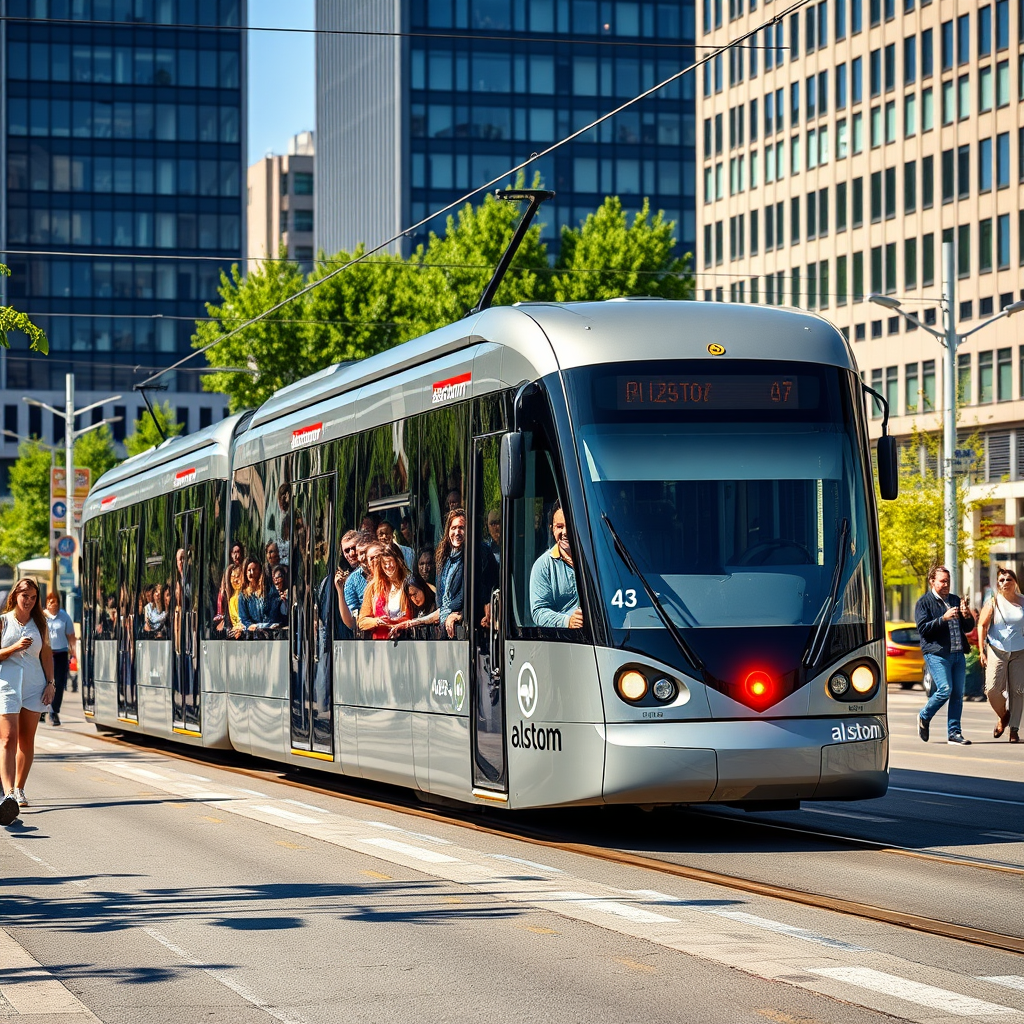
Stadler’s contract with MPK Kraków involves the delivery of up to 60 TANGO Kraków Lajkonik II trams, a value of Sfr120m (approximately $123.2m USD). This agreement, coupled with a previous order from 2018, will bring the total number of Stadler trams in Kraków to 110. This substantial expansion signifies a major investment in upgrading Kraków’s public transportation network and demonstrates a commitment to improving efficiency and passenger comfort. The phased delivery, with separate contracts for 10 and 25 vehicles, alongside the remaining units, is strategically planned to minimize disruption to existing services during the implementation phase.
Technological Advancements in the TANGO Kraków Lajkonik II Tram
The TANGO Kraków Lajkonik II trams are designed as three-section low-floor vehicles with four bogies. The 1.40m wide entrances facilitate rapid passenger boarding and alighting. Passenger comfort and accessibility are key features, with dedicated wheelchair spaces, air conditioning, a modern passenger information system, USB charging ports, and a passenger counting system. Ergonomic driver cabins with comfortable seating aim to improve operator well-being and efficiency. The trams are designed to accommodate a total of 238 passengers: 75 seated and 163 standing, with special backrests provided in the standing areas to enhance passenger comfort during transit. The incorporation of these features demonstrates a commitment to modern design and rider experience.
Financial Aspects and Funding Sources
The significant financial investment underscores the priority placed on improving Kraków’s public transport. The European Investment Bank (EIB) provided a substantial loan of zl376m (€86.9m) to MPK Kraków in December 2018 to support the fleet renewal project, highlighting the importance of international collaboration in funding large-scale infrastructure upgrades. Stadler’s contract reinforces the financial commitment to modernizing Kraków’s urban transit network and reflects the substantial costs associated with acquiring and implementing state-of-the-art rolling stock.
Impact on Kraków’s Public Transportation System and the Broader Polish Railway Industry
The introduction of these new trams will have a significant impact on Kraków’s public transport system. Improved passenger comfort, increased capacity, and enhanced accessibility will likely lead to increased ridership and a more positive passenger experience. The modernization of the tram fleet demonstrates a long-term strategy to improve the overall efficiency and attractiveness of public transport in the city. Furthermore, this large-scale procurement by a major Polish city reinforces the importance of the Polish market for rolling stock manufacturers like Stadler, fostering further investment and innovation within the domestic rail industry. The success of this project may serve as a model for other Polish cities seeking to improve their public transport infrastructure.
Conclusions
The contract between Stadler and MPK Kraków for the delivery of up to 60 TANGO Kraków Lajkonik II trams represents a significant milestone in modernizing Kraków’s public transport system. The Sfr120m (approximately $123.2m USD) investment reflects a commitment to enhancing passenger comfort, accessibility, and overall efficiency. The advanced technological features incorporated into the trams, such as the low-floor design, wide entrances, air conditioning, and passenger information systems, illustrate a focus on creating a modern and rider-centric transportation experience. The project’s funding, which includes a significant contribution from the European Investment Bank (EIB), highlights the importance of international collaboration in financing large-scale infrastructure projects. This procurement has a significant impact not only on Kraków’s public transport system but also on the broader Polish railway industry. It underscores the increasing demand for modern rolling stock and establishes Stadler’s strong presence in the Polish market. The success of this project will likely influence future urban transport initiatives in Poland and beyond, demonstrating a successful model for upgrading urban transit networks and improving the overall passenger experience. The continuous upgrades and investments in modern, efficient, and accessible public transportation are crucial for the sustainable growth of cities like Kraków. This project serves as a prime example of how strategic investments can improve urban mobility and enhance the quality of life for city dwellers. The innovative features of the TANGO Kraków Lajkonik II trams, coupled with the financial commitment and international collaboration, solidify this project as a notable achievement in the advancement of urban transit.
RELATED POSTS

August 15, 2025 6:52 pm
London's King's Cross project, a £1.2B railway infrastructure overhaul, reimagines...
September 10, 2018 9:48 pm
The Elizabeth Line's delay highlights the massive challenges of mega-projects....
April 8, 2025 8:27 am
Introduction This article delves into the recent delivery of sixty...
August 12, 2016 12:11 am
Melbourne's Hurstbridge rail line upgrade is complete! Track duplication,...

October 4, 2024 12:25 pm
RailPulse Launches National Railcar Telematics Platform to Boost Freight Efficiency...
February 4, 2019 6:53 am
Revolutionizing high-speed rail safety! PerceptIn's 1000m visual perception module...