
Elizabeth Line: London’s Rail Infrastructure Advancements
The Elizabeth Line’s delay highlights the massive challenges of mega-projects. Learn how meticulous testing ensures a safe, reliable railway for millions.
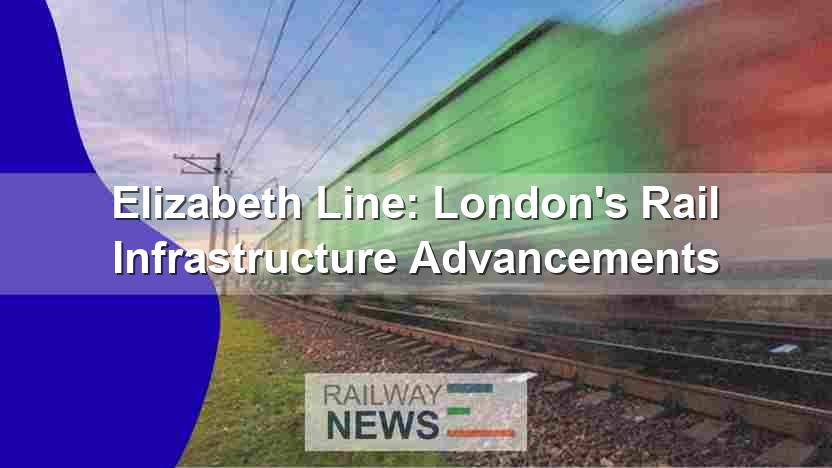
This article examines the delay in the opening of the Elizabeth line (formerly Crossrail), a significant addition to London’s transportation infrastructure. Initially slated for December 2018, the opening was postponed to Autumn 2019. This delay, while frustrating, underscores the immense complexity of such a large-scale undertaking. The project’s scope encompasses the construction of new tunnels, stations, the integration of diverse signaling systems, and the deployment of a completely new fleet of trains. This intricate interplay of engineering, technological integration, and logistical challenges necessitates a thorough and detailed testing phase to ensure the safety and reliability of the line before passenger services commence. The following sections will delve into the reasons behind the delay, the implications of the postponement, and the long-term benefits the Elizabeth line will bring to London and the UK.
The Complexity of Mega-Projects
The Elizabeth line is not simply a new railway line; it is a massive undertaking involving the construction of new tunnels beneath central London, the refurbishment and expansion of existing stations, and the integration of three distinct signaling systems (ATP, CBTC, and conventional signaling). This necessitates seamless interoperability between diverse technological systems, a challenge that often requires more time than initially anticipated. Moreover, the sheer scale of the project – involving numerous contractors, subcontractors, and suppliers – demands meticulous coordination and management to avoid delays and ensure safety. Even minor setbacks in one area can have a cascading effect on the overall timeline. The integration of new rolling stock (trains) adds another layer of complexity, requiring extensive testing to ensure compatibility with the signaling systems and the overall infrastructure.
Software and System Integration Challenges
The development and testing of the complex software systems that control signaling, train operations, and passenger information systems is crucial to the safe and efficient operation of the Elizabeth line. Any unforeseen software glitches or integration issues can significantly delay the launch. These systems need to work flawlessly, not only individually but also together in a highly coordinated manner. Rigorous testing and debugging are essential, often requiring extensive time for identification, resolution, and subsequent retesting to ensure stability and reliability. The complexity of these systems demands a meticulous approach, as even seemingly minor software bugs can have significant implications for safety and operational efficiency.
Final Infrastructure Works and Safety Assurance
Beyond the software, significant completion of physical infrastructure work was also required. This includes finalizing the fit-out of stations, ensuring the integrity of tunnels and related infrastructure, and undertaking safety-critical inspections. Before passenger services can commence, detailed testing of the entire system must be completed. This involves rigorous testing under various operational scenarios, including peak passenger loads, emergency situations, and various signal failures, to guarantee seamless and safe operations. Safety is paramount, and additional time for testing ensures the highest standards are maintained before the line opens to the public. Any shortcuts would be both irresponsible and unacceptable.
Economic Impact and Long-Term Benefits
Despite the delay, the Elizabeth line remains a crucial investment for London and the UK. Once operational, it is projected to increase central London’s rail capacity by 10%, significantly easing congestion and improving connectivity across the city. The line is also expected to contribute significantly to economic growth, with estimates suggesting a £42 billion boost to the British economy. This includes improved accessibility for commuters, increased productivity due to reduced commute times, and the creation of new job opportunities in the areas served by the line. The benefits extend beyond mere transport improvements; they contribute directly to economic prosperity and improved quality of life for Londoners.
Conclusion
The delay in the opening of the Elizabeth line, while initially disappointing, is ultimately understandable given the extraordinary scale and complexity of the project. The decision to postpone the opening to Autumn 2019 underscores Crossrail’s commitment to prioritizing safety and ensuring the seamless operation of this vital piece of London’s infrastructure. The thorough testing and finalization of the complex software and infrastructure are essential steps to prevent operational issues and guarantee the safety of passengers. The line’s eventual opening will mark a significant milestone in London’s transportation network, providing much-needed capacity and boosting the city’s economic growth for years to come. The additional time invested in testing and commissioning will ultimately result in a safer, more reliable, and more efficient railway system, benefitting millions of commuters and contributing substantially to the UK economy. The project’s complexity highlights the challenges and necessary precautions involved in large-scale infrastructure projects, emphasizing the importance of thorough planning, meticulous execution, and a relentless focus on safety.

Railway infrastructure, rolling stock and transport technologies specialist focused on global rail industry developments, high-speed rail systems, signaling technologies and freight transportation. Covering railway investments, public transport modernization, rail operations and international mobility projects across Europe, Asia and North America.
RELATED POSTS
September 6, 2026 5:19 am
Hitachi delivered Taiwan's first N700ST high-speed train from Japan in...

September 5, 2026 4:19 pm
CPK launched formal tender talks with four consortia to design...

September 5, 2026 7:14 pm
HS2 Ltd signed renegotiated civils contracts with EKFB and Align...

September 6, 2026 4:12 am
Alstom delivered the first of 100 new G Class trams...
September 6, 2026 6:17 am
Hungary ordered a national ban on most freight trains from...
September 6, 2026 1:17 am
Hitachi Toshiba Supreme Consortium confirmed the first of 12 N700ST...