
Iran Rail Crash: Signal Failure, Human Error, and Systemic Risks
The recent collision between a Tehran Metro train and a high-speed train near Chitgar Metro Station highlights critical safety concerns within Iran’s rapidly expanding rail network, underscoring the need for a comprehensive review of operational procedures, infrastructure maintenance, and signaling systems to prevent future incidents.
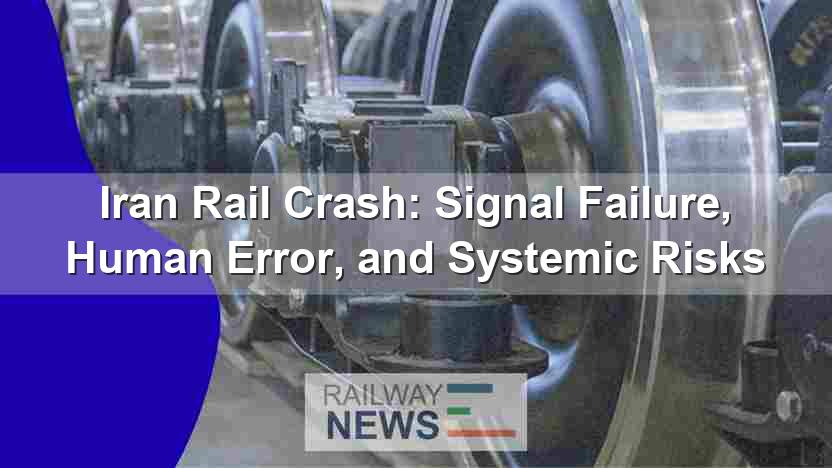
The recent collision between a Tehran Metro train and a high-speed train near Chitgar Metro Station highlights critical safety concerns within Iran’s rapidly expanding rail network. This incident, resulting in 22 injuries, underscores the need for a detailed review of operational procedures, infrastructure maintenance, and signaling systems. This article will delve into the potential causes of this accident, examine the current state of Iran’s railway modernization efforts, and propose recommendations for improving safety and preventing future occurrences. The analysis will consider factors such as signaling system failures, human error, infrastructure deficiencies, and the complexities of integrating different rail systems within a single corridor. The overarching goal is to understand the systemic issues that contributed to this incident and to propose solutions that ensure the safe and efficient operation of Iran’s expanding railway network. The significant investment in modernization, while promising, must be coupled with robust safety protocols and stringent oversight to achieve its full potential and prevent future tragedies.
Signal System Failures and Integration Challenges
A preliminary investigation suggests that the Tehran Metro train may have entered a high-speed rail line, resulting in the collision. This points towards a potential failure in the signaling system, which is crucial for maintaining the safe separation of trains operating on different lines with varying speeds. The integration of multiple rail systems, such as the Tehran Metro and the high-speed rail network, presents unique challenges in terms of signaling compatibility and interoperability. Without seamless integration and robust fail-safe mechanisms, the risk of such incidents increases significantly. The investigation should meticulously examine the functionality of all signaling equipment, including track circuits, points (switches), and interlocking systems, to determine if any malfunctions contributed to the accident. This would also involve analyzing the training and competency levels of signaling maintenance personnel.
Human Error and Operational Procedures
Human error, such as driver negligence or a lapse in operational procedures, could have also played a role in the accident. A thorough investigation must include a review of the training programs for train operators, adherence to operational protocols, and the effectiveness of communication systems between the control center and train drivers. Factors such as fatigue, stress, and inadequate training can significantly increase the likelihood of human error. Additionally, the investigation needs to consider the potential impact of any inadequacies in the supervision and monitoring of train operations. A detailed review of these factors is essential for identifying potential improvements in training, operational procedures, and overall safety management.
Infrastructure Maintenance and Track Condition
The condition of the rail infrastructure, including track alignment, points (switches), and other track components, also deserves scrutiny. Regular and thorough maintenance is essential for ensuring the structural integrity and safety of the railway network. Neglect in maintenance can lead to track defects that can contribute to derailments or collisions. The investigation should assess the track condition in the vicinity of the accident site, including a detailed inspection of the track geometry, ballast condition, and the integrity of all track components. This assessment should be supported by a review of the maintenance records and schedules to determine if any deficiencies contributed to the accident.
Modernization Efforts and Safety Integration
Iran’s significant investment in railway modernization, aiming to expand its network and enhance efficiency, must prioritize safety. While expanding track length and upgrading infrastructure is vital, it’s crucial that safety systems and procedures are modernized and integrated concurrently. This includes investing in advanced signaling technologies, such as Automatic Train Protection (ATP) systems, and implementing robust safety management systems (SMS). Additionally, the modernization efforts should include rigorous safety audits and independent inspections to ensure that all new and upgraded infrastructure meets the highest safety standards. A robust safety culture needs to be instilled throughout the organization, fostering open communication and a proactive approach to safety management.
Conclusions
The collision near Chitgar Metro Station serves as a stark reminder of the critical need for robust safety measures within Iran’s railway network. The investigation into this incident should leave no stone unturned, thoroughly examining the possible roles of signaling system failures, human error, and infrastructure maintenance shortcomings. The findings should inform immediate improvements to operational procedures, training programs, and maintenance practices. Additionally, the ongoing modernization efforts must place safety at their forefront, integrating advanced technologies and safety management systems into the expansion plans. This necessitates a cultural shift within the railway industry, prioritizing proactive safety management over reactive measures. Future safety improvements require a collaborative approach, involving not only the railway authorities but also independent safety experts and international best practices. Only through a detailed and sustained commitment to safety can Iran ensure the safe and reliable operation of its expanding rail network, preventing similar tragedies in the future. The investment of $25 billion in modernization presents a significant opportunity to integrate cutting-edge safety technologies, improve operator training, and enforce rigorous maintenance schedules. This investment, however, must be accompanied by a robust commitment to safety standards and transparent investigations to address systemic issues and prevent future accidents. The successful integration of new technologies and enhanced safety protocols will not only improve the safety record of the Iranian railway system but also enhance the overall efficiency and reliability of the network. A commitment to continuous improvement and a culture of safety are paramount to ensuring that Iran’s ambitious railway modernization goals are realized safely and sustainably.

Railway infrastructure, rolling stock and transport technologies specialist focused on global rail industry developments, high-speed rail systems, signaling technologies and freight transportation. Covering railway investments, public transport modernization, rail operations and international mobility projects across Europe, Asia and North America.
RELATED POSTS

October 1, 2026 7:09 am
United States regulators confirmed a September 30 deadline for the...

October 4, 2026 5:14 pm
Alstom secured a CA$4.7 billion order from VIA Rail Canada...
October 1, 2026 10:14 am
HS2 installed a 55-metre steel span in Birmingham, completing phase...
October 1, 2026 11:13 am
Norfolk Southern expanded its 3B Corridor in Alabama in 2025,...
October 1, 2026 1:12 pm
CSX expanded Queensgate Yard in Cincinnati by installing 42 power...
October 1, 2026 11:14 pm
CATS confirmed a six-mile streetcar route in Charlotte to add...