
Gatwick Airport: £250m Station Upgrade
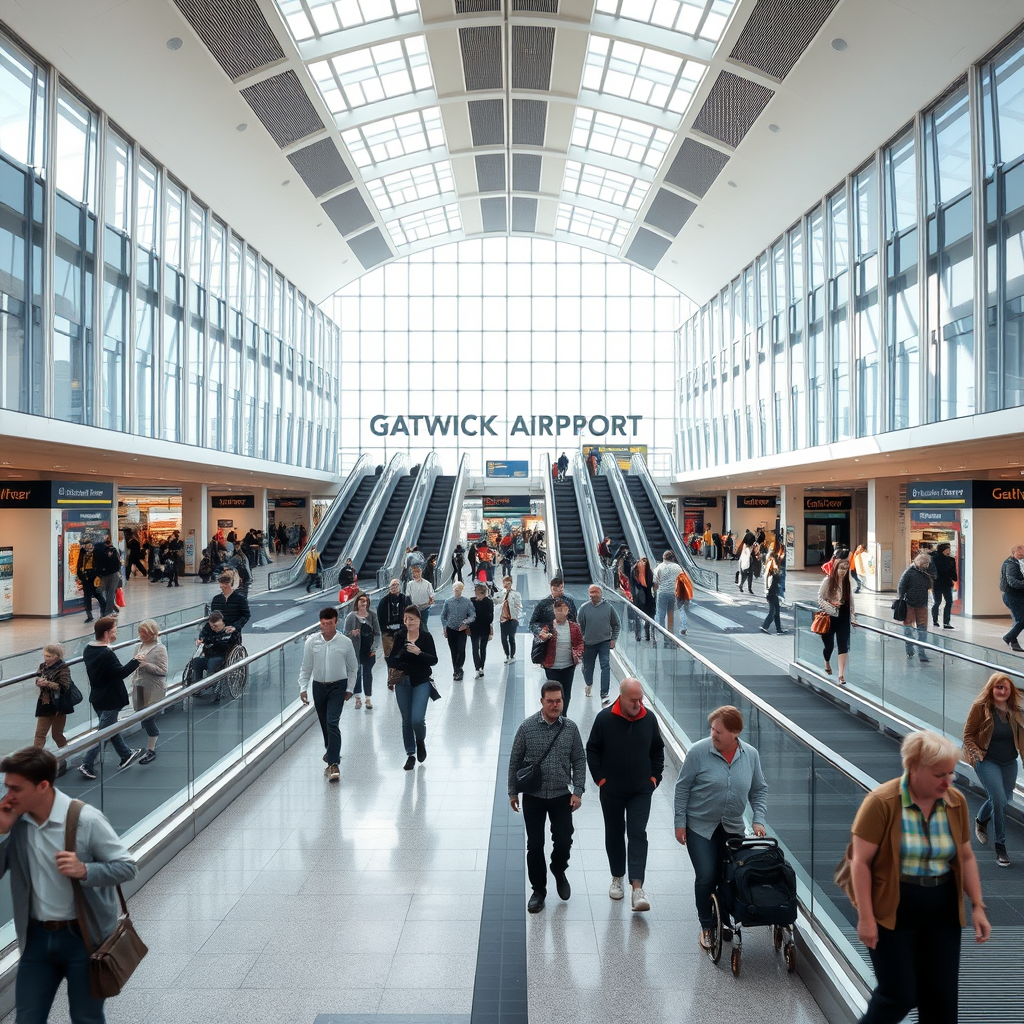
This article explores the recently completed £250 million refurbishment of Gatwick Airport’s railway station, focusing on its impact on passenger experience, accessibility, and sustainable travel. The project represents a significant investment in improving the UK’s rail infrastructure and enhancing the overall travel experience for millions of passengers annually. We will examine the key improvements implemented, analyzing their impact on passenger flow, accessibility features, and the station’s role in promoting sustainable transportation choices. Furthermore, we will discuss the broader implications of this project within the context of ongoing efforts to modernize and improve the UK’s railway network, highlighting its significance as a model for future station upgrades. The article concludes by summarizing the project’s achievements and considering its potential influence on future railway station designs and passenger travel patterns.
Gatwick Airport Station: A Transformation in Passenger Flow
The newly revamped Gatwick Airport station boasts a significantly improved passenger flow system. The previous layout presented challenges, particularly during peak hours. The £250 million redevelopment addressed this by creating a streamlined, one-way system leading from the train platforms to the airport terminals. This involves a completely reconstructed concourse, new footbridges, and a modernized linkspan to the South Terminal. The implementation of this one-way system minimizes congestion and bottlenecks, facilitating a smoother and more efficient passenger journey. The addition of eight new escalators and five new lifts further enhances capacity and accessibility, drastically reducing wait times and improving the overall passenger experience. This improved flow is particularly critical for Gatwick, which handled six million entries and exits in a single year (April 2021 – March 2022) according to the Office of Rail and Road (ORR).
Enhanced Accessibility and Inclusivity
A crucial aspect of the Gatwick station refurbishment is its commitment to enhanced accessibility. The project significantly improved access for passengers with disabilities, featuring the aforementioned new lifts and escalators, as well as other unspecified accessibility improvements within the new concourse design. This commitment to inclusivity aligns with broader societal efforts to make public transportation more accessible to all, regardless of physical limitations. This focus ensures that the station can effectively serve the diverse needs of its vast passenger base. The creation of a fully accessible station represents a significant step towards making air travel more inclusive.
Sustainability and the Future of Rail Travel
The Gatwick Airport station redevelopment is not merely about infrastructural improvements; it actively promotes sustainable transportation. By significantly enhancing the passenger experience, the modernized station encourages more travelers to choose rail over other modes of transportation, such as private vehicles. This shift towards rail travel contributes to reduced carbon emissions and alleviates traffic congestion around the airport. The station’s design, while not explicitly detailed in this article, likely incorporates sustainable building materials and energy-efficient systems, further minimizing its environmental impact. The transport secretary, Mark Harper, highlighted the government’s commitment to funding such improvements, emphasizing the importance of rail’s role in sustainable travel.
Economic Impact and Future Planning
The £250 million investment in Gatwick’s station is not only about passenger benefits but also demonstrates a significant economic investment. The project generated jobs during the construction phase and will contribute to the long-term economic health of the airport and surrounding region. The improved efficiency and enhanced passenger experience are likely to attract more travelers, stimulating economic activity within the airport and its surrounding areas. This project can serve as a model for future station upgrades across the UK rail network, demonstrating the potential for significant returns on investment in improving infrastructure and enhancing passenger experience. Future projects could benefit from lessons learned during this redevelopment process, leading to more efficient and cost-effective improvements.
Conclusion
The £250 million refurbishment of Gatwick Airport station marks a significant milestone in UK rail infrastructure development. The project’s success lies not only in its impressive scale and financial commitment but also in its multifaceted approach to improving passenger experience, accessibility, and sustainability. The creation of a streamlined one-way system, along with the addition of numerous escalators and lifts, has dramatically improved passenger flow, significantly reducing congestion and wait times. Furthermore, the station’s enhanced accessibility features ensure inclusivity for all travelers. The improved experience is actively promoting the use of rail travel, contributing to a more sustainable transportation system around the airport. The economic impact, including job creation and increased tourism, further underscores the project’s overall success. This comprehensive redevelopment of Gatwick Airport station serves as a compelling case study, demonstrating the transformative potential of strategic investment in railway infrastructure and its capacity to elevate the passenger experience while contributing to broader environmental and economic goals. This project should serve as a blueprint for future railway station upgrades across the nation, demonstrating how substantial investment can yield substantial improvements in efficiency, accessibility, and sustainability, ultimately shaping a better future for rail travel.
RELATED POSTS

April 30, 2022 11:34 am
This article delves into the significant modernization project undertaken by...

March 7, 2025 7:02 pm
The recent inauguration of the Tema-Mpakadan railway line in Ghana...

March 18, 2017 9:10 am
Over the past week, a number of media outlets have...

September 16, 2025 2:55 pm
KeTech's C-DAS, a new railway system, promises major energy savings...

July 14, 2025 3:33 am
Inland Rail upgrades Wangaratta station for double-stacked freight trains, boosting...
February 18, 2025 2:43 am
Supporting Ukraine’s Railway System: An International Effort This article examines...