
Europe’s Rail Revolution: €3 Billion Investment Imperative
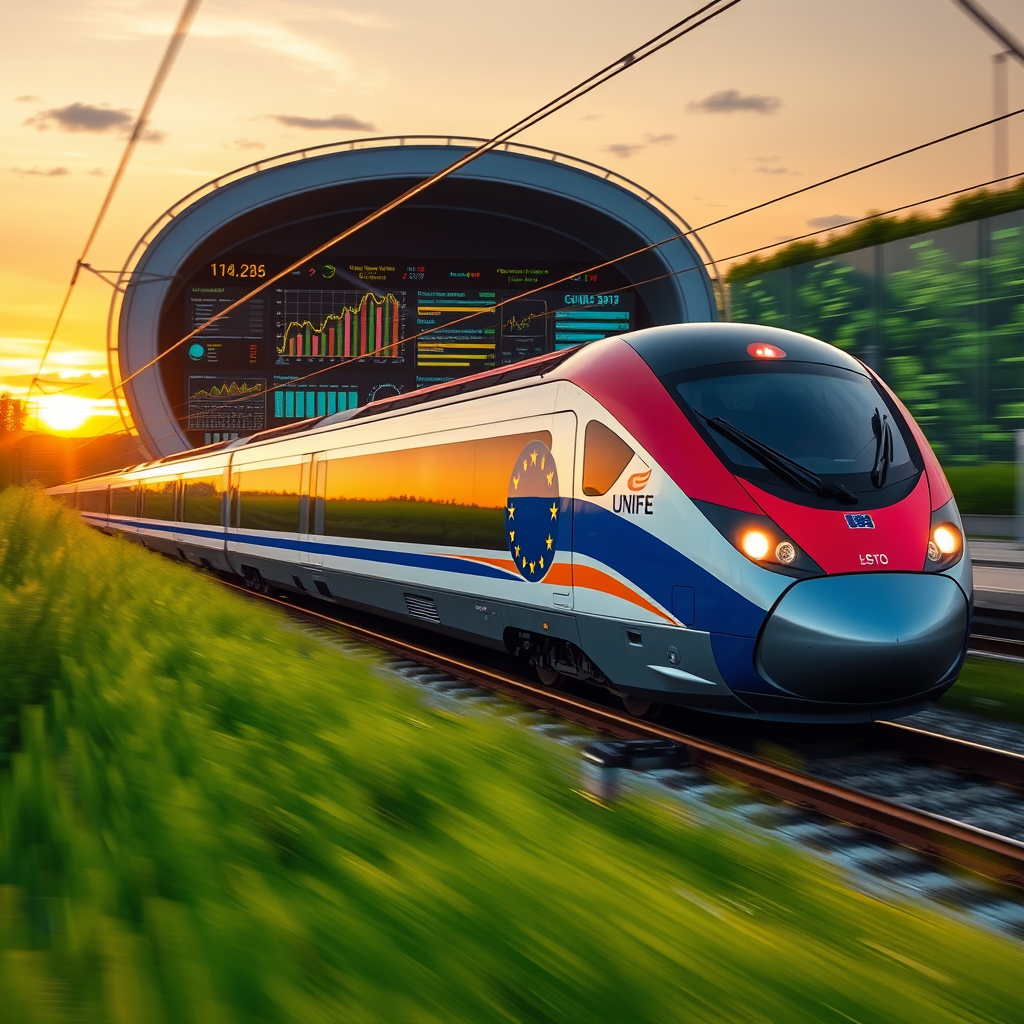
The Imperative for Significant Investment in European Rail Research and Innovation
The European rail industry stands at a critical juncture. Global competition is intensifying, demanding continuous technological advancement to maintain Europe’s leadership position in rail technology and infrastructure. This article explores the urgent need for a substantial investment in rail research and innovation (R&I), as advocated by the European Rail Supply Industry Association (UNIFE), to propel the sector forward. A proposed €3 billion ($3.83 billion) investment in a dedicated Rail Research Programme is crucial for fostering innovation, improving operational efficiency, enhancing safety, and ultimately, strengthening the European rail system’s competitiveness on the global stage. This investment will focus on building upon existing successful technologies and accelerating the implementation of next-generation systems across the European Union (EU) network. The consequences of failing to make this investment will be far-reaching, potentially impacting Europe’s economic competitiveness, environmental goals, and the overall quality of its rail transport network. The discussion will cover the technological advancements driving this need, the strategic implications of the investment, and the potential benefits to passengers and freight transport across the continent.
Technological Advancements Driving the Need for Investment
The European rail system relies on the seamless integration of several key technologies. The European Rail Traffic Management System (ERTMS), a crucial element for interoperability and enhanced safety, requires ongoing development and optimization. Similarly, the Future Railway Mobile Communications System (FRMCS) is vital for reliable and efficient communication across the network. Digital Automatic Coupling (DAC) is crucial for improving operational efficiency and reducing maintenance costs, while Automatic Train Operation (ATO) systems represent a step towards fully automated rail operations. These technologies, many stemming from the Shift2Rail initiative, are not only essential for modernizing the existing network but also for enabling the development of future high-speed rail (HSR) projects.
The integration of these technologies requires significant investment in research, development, testing, and deployment. Projects like FP2-MORANE-2, coordinated by the International Union of Railways (UIC), are crucial in testing FRMCS in real-world conditions, demonstrating a collaborative effort across stakeholders including UNIFE, national railway companies (e.g., ADIF, BaneDanmark, Network Rail), and suppliers (e.g., Alstom, CAF, Ericsson, Hitachi Rail).
Strategic Implications of the Proposed Investment
The €3 billion investment is not merely about technological advancement; it’s a strategic move to secure Europe’s future in the global rail market. This investment will help maintain European technological leadership, ensuring that European companies remain at the forefront of innovation and retain their competitive edge against global competitors. Furthermore, the investment directly supports the EU’s climate neutrality goals for 2050, by accelerating the shift from road to rail transport, contributing significantly to the targeted 90% reduction in greenhouse gas emissions from the transport sector. The successful implementation of these technologies is intrinsically linked to the achievement of the Single European Railway Area (SERA) and the completion of the Trans-European Transport Network (TEN-T), fostering seamless cross-border rail travel and freight transport.
Benefits for Passengers and Freight Transport
The advancements brought about by this investment will deliver tangible benefits for both passengers and freight operators. Passengers can expect improved services, enhanced reliability, and increased comfort, while freight operators will benefit from streamlined operations and reduced transportation costs. The increased efficiency and reliability of the network will promote modal shift from road to rail, directly benefiting the environment and reducing congestion on road networks. This represents a vital contribution to the EU’s sustainability goals.
- Improved passenger experience through enhanced reliability and comfort.
- Increased efficiency and reduced costs for freight transport.
- Reduced environmental impact through modal shift from road to rail.
- Improved interoperability across national borders, contributing to SERA and TEN-T goals.
Conclusion
The UNIFE’s proposal for a €3 billion investment in a dedicated Rail Research Programme represents a crucial step towards securing Europe’s future in the global rail industry. This investment is not merely about technological advancement; it’s a strategic move to maintain Europe’s competitive edge, achieve its environmental goals, and improve the overall quality of its rail transport system. By focusing on key technologies like ERTMS, FRMCS, DAC, and ATO, this initiative will enhance the efficiency, safety, and reliability of the European rail network, benefiting both passengers and freight operators. The successful implementation of these technologies is intrinsically linked to achieving the ambitious goals of the Single European Railway Area (SERA) and the Trans-European Transport Network (TEN-T). The investment also aligns perfectly with the EU’s climate neutrality objectives, encouraging a shift from road to rail and significantly reducing greenhouse gas emissions from the transport sector. The collaborative efforts demonstrated in initiatives like FP2-MORANE-2 showcase the commitment of various stakeholders to the modernization of the European rail system. Failing to make this significant investment would risk jeopardizing Europe’s technological leadership in the rail sector, hindering the realization of its sustainability goals, and ultimately limiting the potential of its rail network to serve its citizens and businesses effectively. The proposed investment is a strategic imperative, ensuring a resilient, efficient, and sustainable future for European rail transport.
RELATED POSTS

October 14, 2025 6:54 pm
Construction commences on the Maasvlakte Zuid railway yard near Europoort....

July 8, 2023 12:25 pm
The Ongoing UK Rail Strikes: A Deep Dive into the...
October 24, 2019 8:07 am
Introduction This article examines the significant $3.9 billion public-private partnership...
Metra's reissued RFP for new railcars prioritizes passenger comfort and...

April 17, 2025 8:09 pm
Modernizing Regional Rail: CAF Civity Trains for Qbuzz in the...
Industrial manufacturing reshapes, impacting global supply chains. Railway sector sees...