
DB Regio’s Green Revolution: 113 Stadler FLIRT Akku Trains

This article examines the significant order placed by DB Regio (Deutsche Bahn Regio), a subsidiary of Deutsche Bahn (DB), with Stadler for a substantial number of FLIRT Akku (Fast Light Innovative Regional Train – Akku, meaning battery) trains. This order marks a crucial step in DB’s commitment to decarbonizing its regional rail network and highlights the growing importance of battery-electric multiple units (BEMUs) in sustainable rail transportation. The order’s implications extend beyond a simple business transaction; it represents a pivotal moment in the German railway industry’s transition towards environmentally friendly operations and the broader adoption of alternative drive technologies. This analysis will delve into the technical specifications of the FLIRT Akku, the strategic implications of this order for both Stadler and DB Regio, the environmental benefits associated with the shift from diesel locomotives, and finally, the potential impact of this technological advancement on the future of regional rail transport in Germany and beyond.
The FLIRT Akku: A Technological Advance in Regional Rail
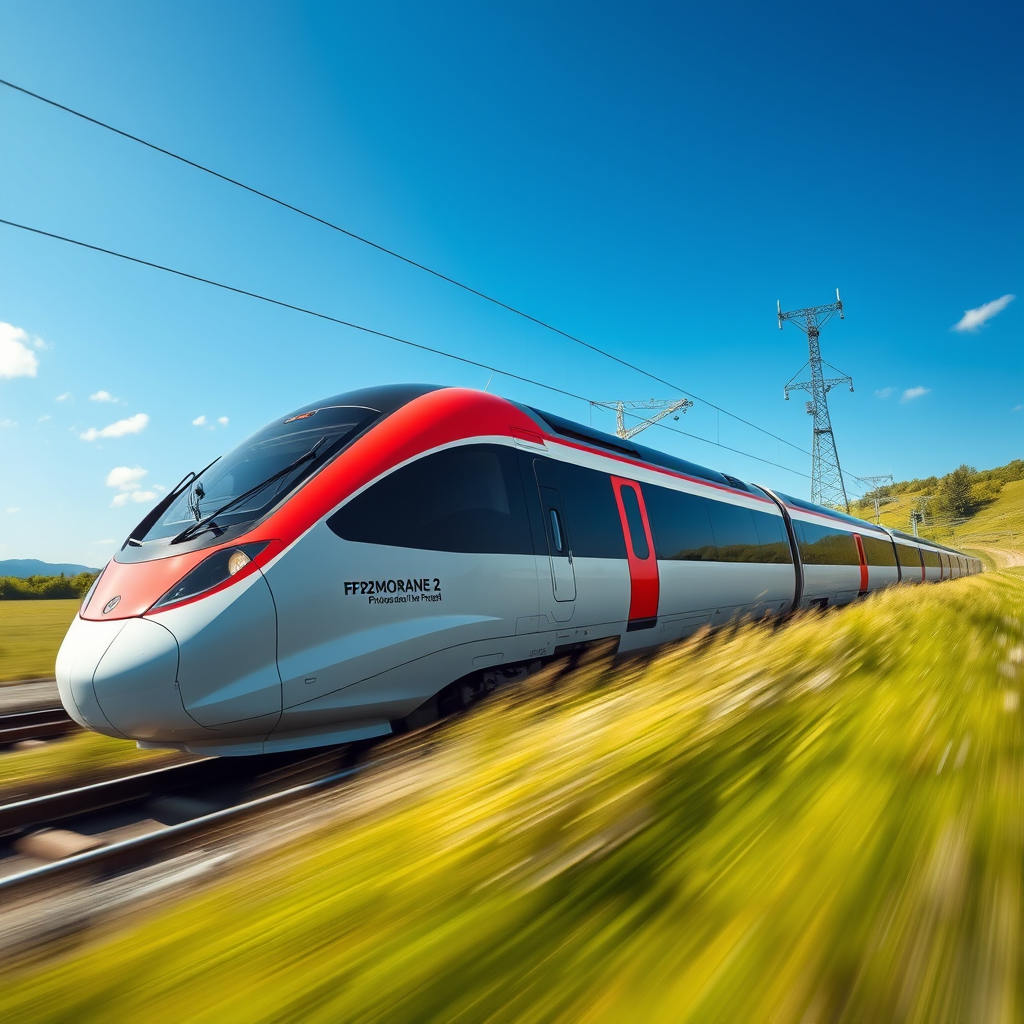
The FLIRT Akku, a battery-powered variant of Stadler’s renowned FLIRT platform, is specifically designed for operation on non-electrified and partially electrified lines. This adaptability is crucial for regional rail networks, many of which still rely on diesel trains due to the absence of overhead lines (catenary). The BEMU’s capacity to switch seamlessly between battery power and overhead line electrification ensures flexibility and operational efficiency. The trains’ technical specifications, including battery capacity, range, and charging infrastructure requirements, are critical factors impacting their overall performance and cost-effectiveness. The specific modifications made to the FLIRT Akku to meet DB Regio’s network requirements, such as signaling compatibility and passenger comfort features, underscore the adaptability of the platform to diverse operational environments. The use of these trains further showcases the advancement in battery technology to meet the demands of heavy rail operations, a significant step forward for sustainable transport solutions.
DB Regio’s Strategic Shift Towards Sustainability
DB Regio’s decision to order 113 FLIRT Akku trains demonstrates a significant commitment to environmental sustainability. Replacing diesel-powered trains with BEMUs directly contributes to reducing greenhouse gas emissions and improving air quality in the regions served. This move aligns with DB’s broader strategy to achieve climate neutrality and underscores the company’s leadership role in promoting environmentally responsible rail transportation. The selection of the FLIRT Akku specifically showcases DB Regio’s strategic focus on proven technology and a reliable partner with demonstrated experience in delivering and maintaining such units. This commitment from DB Regio to a more sustainable fleet also enhances its public image and positions it as a leader in environmentally-conscious practices within the transportation sector. The success of this initiative will likely influence other rail operators in Germany and across Europe to adopt similar strategies.
Stadler’s Market Leadership in Alternative Drive Technologies
This substantial order solidifies Stadler’s position as a leading manufacturer of battery-electric trains. The repeated selection by a major player like DB Regio validates Stadler’s technological prowess and its ability to deliver high-quality, reliable rolling stock. This success reinforces Stadler’s strategy of investing heavily in research and development of alternative drive technologies. The long-term maintenance and service contracts associated with such a large order are also strategically important for Stadler, creating a stable revenue stream and further strengthening its market position. The ongoing innovation and improvements in battery technology will further enhance the competitive advantage for Stadler and similar companies in the railway sector, driving the transition towards more environmentally sustainable rail transport solutions.
The Broader Impact on Regional Rail Transportation
The widespread adoption of BEMUs, as exemplified by DB Regio’s order, has the potential to transform regional rail transportation. The ability to operate on non-electrified lines opens up opportunities for extending rail services to previously underserved areas, improving regional connectivity and potentially shifting commuters away from road transportation. This will result in economic benefits, including job creation and enhanced regional development. The reduced environmental impact is another significant benefit. By mitigating noise pollution and reducing carbon emissions, BEMUs contribute to improving the quality of life in communities along the rail corridors. The long-term cost-effectiveness of BEMUs compared to diesel trains, as pointed out by Stadler, is a crucial factor driving this shift. Overall, the widespread adoption of this technology is likely to revolutionize the landscape of regional rail operations and transport, offering a powerful example for sustainable transport alternatives.
Conclusions
The DB Regio order for 113 Stadler FLIRT Akku trains represents a watershed moment for the German rail industry and sustainable transportation globally. This substantial investment underscores the growing importance of battery-electric multiple units (BEMUs) in reducing greenhouse gas emissions and enhancing the environmental sustainability of regional rail networks. The success of this project hinges on several key factors: the proven reliability and efficiency of the FLIRT Akku technology, the robust maintenance and service provisions, and the wider infrastructural adaptations needed to fully integrate the trains into the existing rail network. The order reflects DB Regio’s strategic commitment to environmental responsibility and aligns with the broader European goals for decarbonizing the transportation sector. Stadler’s continued innovation in battery technology and its market leadership in this area are critical to ensuring the successful implementation and widespread adoption of BEMUs. The long-term economic and environmental benefits, including reduced operational costs, improved air quality, and enhanced regional connectivity, highlight the transformative potential of this technological advancement. The success of this project will pave the way for similar large-scale deployments of BEMUs, setting a powerful precedent for sustainable rail transport across Europe and beyond, showcasing how strategic partnerships between manufacturers and operators can successfully drive the transition to greener and more sustainable rail transportation.
RELATED POSTS

February 10, 2008 9:55 pm
The Kuwaiti Government plans to build an US$11bn rail network,...

October 30, 2025 11:54 am
Slovak Railways modernizes its **night trains** with a fleet renewal....
August 23, 2019 4:21 am
Sweco’s Acquisition of NRC Group’s Rail Design Business: A Strategic...
February 23, 2025 12:50 am
Introduction The European railway system is undergoing a significant transformation,...

June 16, 2025 7:01 am
Central Queensland rail infrastructure gets a boost with Martinus-Vitrinite alliance....
September 20, 2010 12:11 pm
Companhia Siderurgica Nacional (SID) said that its Nova Transnordestina project...