
Cambridge South Station: A Rail Revolution
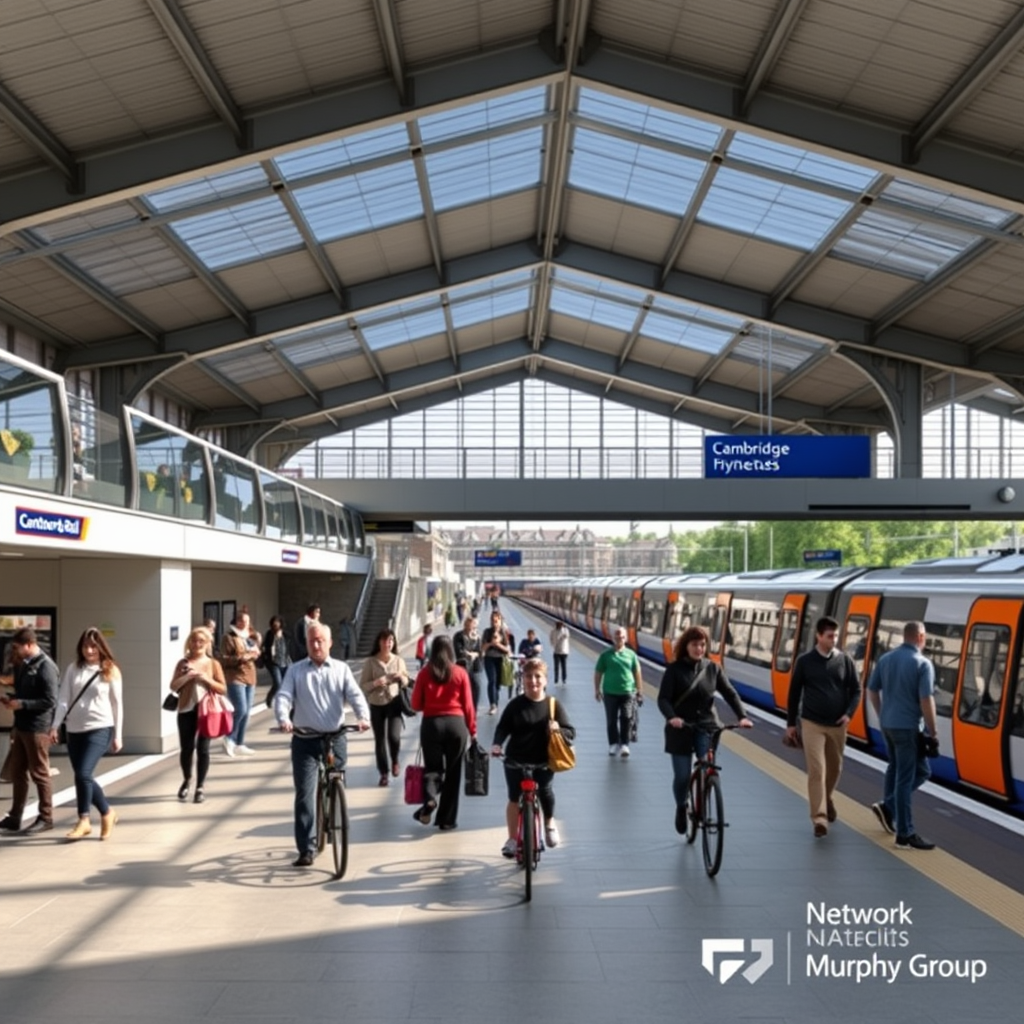
The Development of Cambridge South Station: A Case Study in Modern Rail Infrastructure Development
This article examines the construction of Cambridge South station, a significant project in the UK’s rail infrastructure modernization. The £93.4 million ($113.1 million) contract awarded to the Murphy Group highlights the scale and complexity of such undertakings. The project encompasses not only the construction of a new, state-of-the-art station building but also extensive trackwork modifications and upgrades to surrounding infrastructure. This case study will delve into the key aspects of the project, including its design, engineering challenges, and its wider implications for the future of rail travel in the Cambridge region. We will analyze the project’s adherence to modern sustainable practices and examine its potential impact on the local community, addressing concerns surrounding the absence of a ticket office and the ongoing debate about staffing levels within the UK rail sector. Finally, we will consider the lessons learned from this project that can be applied to future rail infrastructure developments.
Station Design and Construction
The Cambridge South station is designed as a two-story building with four platforms, serving the London-Cambridge main line. Its strategic location near the Cambridge Biomedical Campus and a planned 4,000-home housing development underscores its importance in accommodating future passenger demand. The station boasts step-free platform access, a crucial feature for accessibility, and plans for 1,000 cycle parking spaces reflect a commitment to sustainable transportation. Notably, the design currently omits a traditional ticket office, a decision that reflects ongoing debates within the UK rail industry regarding modernization and staffing levels. The absence of a ticket office is likely to be addressed with modern self-service ticketing systems and potentially staff on hand in a customer service area, though the final details are yet to be confirmed.
Trackwork and Infrastructure Upgrades
The project’s scope extends far beyond the station building itself. Significant trackwork is being undertaken in conjunction with Alstom and the South Rail Systems Alliance. This includes installing two additional track loops to accommodate the four-platform station, enhancing the Shepreth branch junction, modifying the railway approach to Cambridge station, provisioning overhead line electrification (OLE) infrastructure and a substation, and modifying existing signaling equipment. The closure of two private-level crossings and the provision of alternative access further highlight the extensive nature of the infrastructure upgrades associated with this project. These works represent a substantial investment in improving the overall capacity and efficiency of the rail network surrounding Cambridge.
Sustainability and Modernization
While specific details on sustainable features are limited at this stage, the integration of step-free access and ample cycle parking points towards a commitment to environmentally friendly and inclusive design. Further exploration of sustainable technologies employed in the project, such as heat recycling HVAC (Heating, Ventilation, and Air Conditioning) systems, would provide a more comprehensive understanding of the project’s commitment to minimizing its environmental impact. The absence of a ticket office also aligns with the industry trend towards digitization and potentially reduced operational costs. However, the impact of this on staffing levels and customer service requires ongoing monitoring and assessment.
Project Timeline and Future Implications
The planned opening of Cambridge South station in 2025 suggests the project is progressing on schedule. This timely completion is a testament to the efficient collaboration between Network Rail, the Murphy Group, and other involved parties. The successful delivery of Cambridge South serves as a model for future station developments. The project demonstrates the feasibility of integrating modern design, sustainable practices, and extensive infrastructure upgrades within a single project. The experience gained from this project will be invaluable in planning and executing similar projects across the UK rail network. The success of Cambridge South hinges not only on its timely completion but also on its ability to seamlessly integrate into the existing transport network and effectively serve the growing community it is designed to support. Addressing concerns regarding staffing levels and ticket office access will be crucial in ensuring the station meets the needs of all passengers.
Conclusions
The construction of Cambridge South station represents a significant investment in the UK’s rail infrastructure. The project, led by Network Rail and executed by the Murphy Group, involves the construction of a modern, four-platform station, incorporating features such as step-free access and provisions for substantial cycle parking. Beyond the station building, the project encompasses substantial upgrades to the surrounding rail network including track loops, junction enhancements, OLE infrastructure and signaling modifications. The planned 2025 opening indicates the project is progressing according to schedule. While the absence of a traditional ticket office reflects wider industry trends toward modernization, it raises important questions concerning staffing levels and customer service which require careful consideration. The project’s emphasis on accessibility and sustainable design aligns with broader environmental goals. The success of Cambridge South will depend not only on the timely completion of construction, but also on its effective integration into the broader transport network and its ability to meet the needs of the growing community it will serve. This case study provides valuable insights into the complexities of modern rail infrastructure development, highlighting the need for integrated planning, effective collaboration, and a commitment to sustainability and inclusivity. The lessons learned from this project, both its successes and its challenges, will be crucial in guiding future developments in the UK rail sector and beyond.
RELATED POSTS
September 28, 2025 3:54 am
Ohio approves funding for enhanced **rail crossing** safety! Improvements include...

July 7, 2011 7:04 am
Astana LRT in Kazakhstan has awarded a contract to a...

October 6, 2021 5:11 am
This article delves into the significant contract awarded to Škoda...
September 8, 2019 7:09 am
This article delves into the complexities of light rail expansion...

November 14, 2025 6:55 pm
Banedanmark's ERTMS implementation showcases how digital tools revolutionize railway projects....
October 14, 2022 6:40 am
Significant Rail Infrastructure Upgrades in the UK: Newcastle and West...