
CAF’s Italian Tram Triumph: €200M in Bologna & Rome
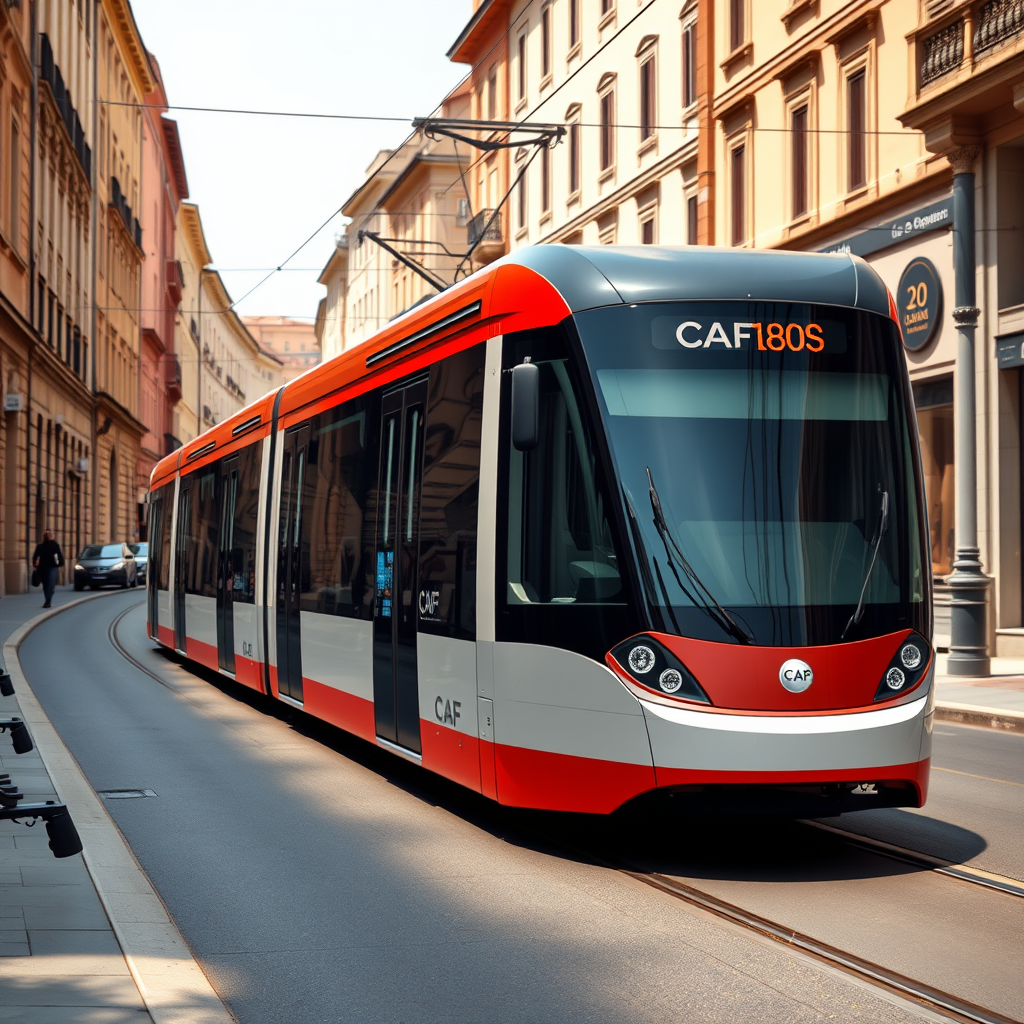
CAF’s Expansion in the Italian Tram Market: A Technological and Economic Analysis
This article analyzes the recent significant expansion of Construcciones y Auxiliar de Ferrocarriles (CAF) in the Italian tram market, focusing on two substantial contracts awarded in Bologna and Rome. These contracts, totaling approximately €200 million ($219 million), highlight CAF’s strategic positioning within the growing demand for sustainable and efficient urban transportation solutions in Europe. The analysis will delve into the technological advancements incorporated in the new tram fleets, the economic implications of these contracts, and the broader context of these projects within the framework of European Union initiatives promoting sustainable urban development. The impact of these contracts on CAF’s market position and the future trends in urban light rail will also be discussed. We will examine the strategic advantages of CAF’s Onboard Energy Storage System (OESS) technology, its role in enabling catenary-free operation, and its contribution to reducing environmental impact. The discussion will also encompass the broader implications for sustainable urban transport planning and its alignment with EU recovery and resilience goals.
The Bologna Contract: A Framework for Sustainable Urban Mobility
The City of Bologna has awarded CAF a framework contract for the supply of up to 60 Urbos trams, including a comprehensive four-year maintenance agreement, spare parts, and specialized tools. The initial order comprises 33 units, valued at over €130 million ($142 million). This contract utilizes CAF’s Urbos platform, known for its high passenger capacity (over 200 passengers) and 35-meter length. Critically, these trams will incorporate CAF’s Onboard Energy Storage System (OESS), enabling operation without overhead catenary lines (catenary-free operation), reducing reliance on fixed power infrastructure and enhancing operational flexibility. This aligns directly with Bologna’s Sustainable Urban Transport Plan, which aims to improve air quality and create a more sustainable public transit system, funded in part by the European Union’s Recovery and Resilience Facility (RRF).
The Rome Expansion: Modernizing the Capital’s Tram Network
In Rome, ATAC (Azienda Trasporti Autobus) exercised an option to extend its existing contract with CAF, adding 20 more trams to its fleet. Similar to the Bologna order, these trams will feature CAF’s OESS, supporting ATAC’s objective of modernizing its tram network and preparing for the expansion of tram lines within the city. This addition, coupled with a five-year maintenance agreement, signifies ATAC’s confidence in CAF’s technology and service capabilities. The OESS system offers ATAC the opportunity to expand tram routes into areas where installing overhead lines is impractical or cost-prohibitive, furthering the expansion of the city’s light rail network. The inclusion of this technology in both major Italian cities signals a significant step towards a more flexible and sustainable urban transportation landscape.
Technological Advancements: The Significance of OESS
The consistent integration of CAF’s OESS in both Bologna and Rome highlights the growing importance of this technology in modern tram systems. OESS allows for catenary-free operation, which offers several key advantages. It reduces the visual clutter associated with overhead lines, improves aesthetic appeal, and facilitates easier integration into existing urban landscapes. Moreover, it significantly reduces the reliance on extensive and costly fixed infrastructure. The energy efficiency gains from OESS contribute to lowering operational costs and minimizing the environmental footprint of the tram system. This makes it a compelling technological solution for cities prioritizing sustainable urban development.
Conclusion: A Strategic Win for CAF and a Boost for Sustainable Urban Transport
CAF’s successful acquisition of these substantial contracts in Bologna and Rome demonstrates its competitive advantage in the European tram market. The contracts, totaling approximately €200 million, represent a significant financial injection and solidify CAF’s position as a leading supplier of innovative and sustainable urban transportation solutions. The consistent integration of CAF’s OESS technology underscores the growing industry trend towards catenary-free operation, driven by factors such as aesthetic improvements, cost savings, and environmental considerations. The success of these projects, within the context of EU-funded sustainable urban development plans like Bologna’s, highlights the effectiveness of public-private partnerships in delivering modern and eco-friendly public transportation systems. The implementation of these advanced trams, incorporating OESS and promoting catenary-free operation, will undoubtedly contribute to the modernization of urban transport infrastructures in Italy and set a precedent for similar initiatives in other European cities. The success of CAF in these contracts reinforces the importance of innovation and strategic partnerships in addressing the growing demand for sustainable and efficient urban mobility solutions, offering a glimpse into the future of urban light rail systems globally.
RELATED POSTS

September 29, 2017 4:50 pm
Optimize your freight rail network, like the Adelaide-Melbourne line, by...
December 2, 2022 8:05 pm
This article explores the successful trial run of the Jakarta-Bandung...
October 22, 2020 4:22 pm
Improving Accessibility and Journey Planning on the UK Rail Network...

September 7, 2015 12:23 pm
China’s rapid rail network will stretch to over 50,000 km...

October 8, 2016 12:50 pm
Ansaldo STS announces that it has been signed the contract...
