
Bavaria’s Hydrogen Train Revolution: Mireo Plus H
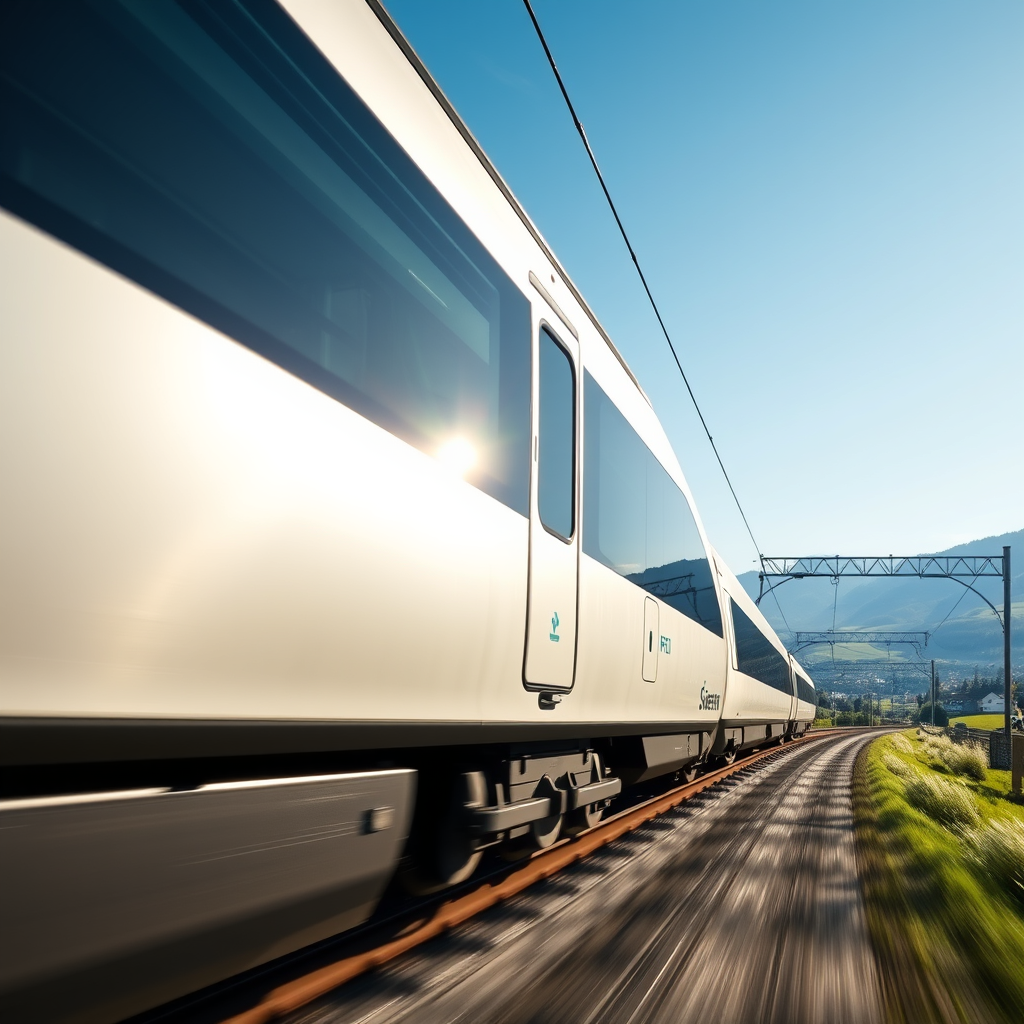
This article examines the significant advancements in sustainable railway technology, specifically focusing on the deployment of hydrogen-powered trains in Bavaria, Germany. The introduction of these trains represents a pivotal step towards decarbonizing the rail sector and achieving climate neutrality goals. This transition involves not only the manufacturing and implementation of the new rolling stock (the trains themselves), but also the development of the necessary supporting infrastructure, particularly the hydrogen refueling system. The subsequent sections will analyze the technological aspects of the Mireo Plus H train, its operational capabilities and environmental benefits, the wider implications for the railway industry, and the ongoing investments in hydrogen train technology on a larger scale. This case study offers valuable insights into the challenges and opportunities presented by the adoption of hydrogen as a sustainable fuel source for rail transportation. The integration of hydrogen technology within existing rail networks is crucial for addressing the environmental impact of non-electrified lines, a significant concern in the global push for more sustainable transportation solutions.
The Mireo Plus H: A Technological Overview
Siemens Mobility’s Mireo Plus H is a cutting-edge hydrogen-powered regional train designed to operate on non-electrified lines. Unlike traditional diesel trains, the Mireo Plus H utilizes a fuel cell system to convert stored hydrogen into electricity, eliminating direct CO2 emissions during operation. The train’s power system integrates a roof-mounted fuel cell and lithium-ion batteries located beneath the car floor, offering a combined power output of 1.7 MW. This configuration allows for impressive acceleration (up to 1.1 m/s²) and a top speed of 140 km/h. A key feature is its extended range – up to 1200 km on a single hydrogen tank, depending on operational factors such as route profile and driving style. The inclusion of the European Train Control System (ETCS) further enhances safety and operational efficiency, aligning with modern railway signaling standards. Furthermore, passenger comfort is prioritized with features including low-floor access for improved accessibility and high-frequency-permeable windows to enhance mobile phone connectivity.
Infrastructure and Supply Chain Developments
The successful integration of hydrogen trains requires a comprehensive infrastructure overhaul. Deutsche Bahn (DB), Germany’s national railway company, is constructing an electrolysis plant in Mühldorf (Upper Bavaria) specifically to supply green hydrogen for these trains. This plant will be powered entirely by renewable energy sources, ensuring the entire process is environmentally sustainable. This represents a significant investment in the hydrogen supply chain, vital to the long-term operational viability of the hydrogen train network. The Siemens contract extends beyond the train manufacturing; they are also responsible for the hydrogen supply system, highlighting the integrated approach needed for successful hydrogen train deployment. This collaborative effort between train manufacturers and railway operators underscores the importance of holistic planning and execution for hydrogen-powered railway systems.
Environmental and Economic Benefits
The introduction of the Mireo Plus H trains marks a substantial step towards reducing carbon emissions and noise pollution in the region. Replacing existing diesel trains with this zero-emission alternative directly addresses the environmental concerns associated with traditional railway technology. The reduction in greenhouse gas emissions contributes to broader climate change mitigation efforts. Besides the environmental benefits, the economic impact is also significant. The project creates jobs in manufacturing, infrastructure development, and maintenance, stimulating regional economic growth. Furthermore, the reduced noise levels improve the quality of life for communities along the railway line, indirectly contributing to economic benefits through increased property values and improved tourism potential.
Future Prospects and Wider Implications
The successful deployment of hydrogen trains in Bavaria demonstrates the feasibility and potential of this technology for other non-electrified rail lines worldwide. The experience gained from this project will inform future deployments and drive further technological advancements in hydrogen fuel cell technology and infrastructure design. The initiative is part of a larger movement towards sustainable transportation, showcasing the commitment of both Siemens Mobility and Deutsche Bahn to decarbonizing the rail sector. The success of this pilot project, with its focus on both the rolling stock and the integrated hydrogen supply system, will undoubtedly influence the adoption of similar technologies in other regions facing similar challenges. This investment underscores the growing importance of finding sustainable solutions for regional rail networks and reflects a broader industry-wide shift towards greener transportation choices.
Conclusions
The introduction of Siemens Mobility’s Mireo Plus H hydrogen trains in Bavaria represents a landmark achievement in the pursuit of sustainable rail transportation. This initiative showcases the successful integration of cutting-edge hydrogen technology into a functional railway network, encompassing both the train itself and the necessary hydrogen supply infrastructure. The project addresses key environmental concerns associated with traditional diesel trains, including CO2 emissions and noise pollution, contributing to climate change mitigation efforts. The technological aspects of the Mireo Plus H, with its 1.7 MW power output, 140 km/h maximum speed, and extended range of up to 1200 km, demonstrate the maturity and viability of hydrogen-powered trains for regional services. The collaboration between Siemens Mobility and Deutsche Bahn (DB) highlights the importance of a holistic approach, encompassing not only train manufacturing but also the development and integration of the complete hydrogen supply chain. The economic benefits associated with job creation and enhanced regional development further solidify the importance of this initiative. The success of this pilot project in Bavaria will likely inspire wider adoption of similar technologies globally, driving further advancements in hydrogen fuel cell technology and contributing to a more sustainable and environmentally responsible railway sector. The future of regional rail transport is increasingly reliant on innovative and sustainable solutions, and the Mireo Plus H train, alongside the commitment to green hydrogen infrastructure, offers a compelling example of how such solutions can be successfully implemented.
RELATED POSTS
April 1, 2026 8:45 am
Renfe Alquiler finalized a 15-year lease for ex-DB coaches with...