
Bangalore Metro’s $119M Deal: 216 New Coaches from CRRC

This article delves into the significant contract awarded by the Bangalore Metro Rail Corporation Ltd. (BMRCL) to CRRC Nanjing Puzhen, a subsidiary of China’s CRRC Corporation, for the supply of 216 metro coaches. This procurement represents a substantial investment in expanding Bengaluru’s (Bangalore’s) rapid transit system, specifically addressing the needs of its expanding Phase 2 project. The contract’s details, including the financial implications, manufacturing locations, technological specifications, and implications for the Bangalore metro network’s operational efficiency and future expansion will be examined. The analysis will also explore the broader context of this deal within the international railway industry, focusing on the growing role of Chinese manufacturers in global metro projects and the technological advancements showcased in the specifications of these new coaches. The article will conclude by assessing the long-term effects of this contract on the Bangalore metro system and similar projects in India and around the globe.
CRRC Nanjing Puzhen Secures Major Bangalore Metro Contract
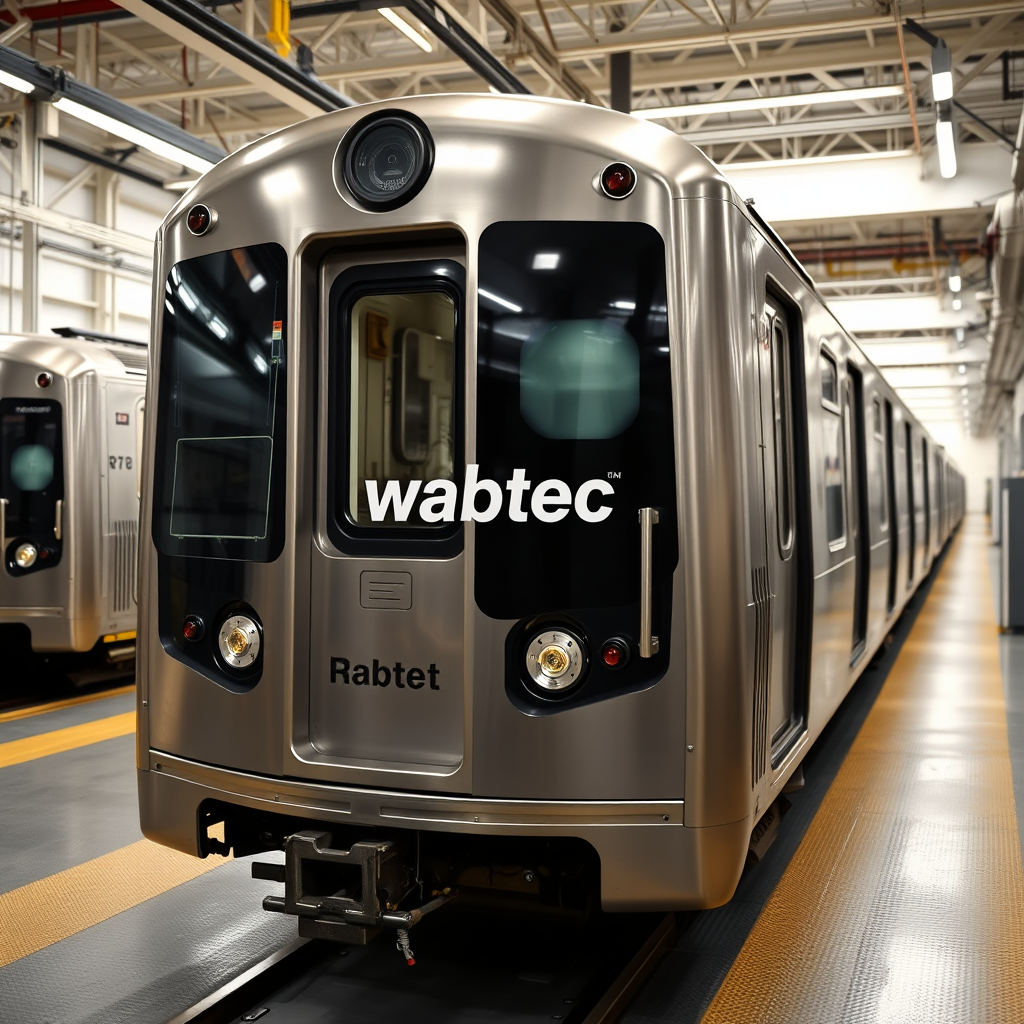
The Bangalore Metro Rail Corporation Ltd. (BMRCL) awarded a substantial contract valued at Rs8.55 billion (approximately $119 million USD) to CRRC Nanjing Puzhen for the supply of 36 train sets, comprising a total of 216 coaches. This procurement is crucial for the expansion of the Bengaluru metro system under Phase 2. The contract highlights the increasing participation of Chinese rolling stock manufacturers in international railway projects. CRRC’s commitment to establishing a manufacturing facility in Sri City, Andhra Pradesh, India, further signifies its strategic investment in the Indian market. This local manufacturing commitment ensures that a significant portion (34 train sets, or 204 coaches) of the order will be produced domestically, boosting local employment and technological transfer.
Technological Specifications and Operational Impact
The 216 coaches are strategically allocated to serve different lines within the Bengaluru metro network. 126 coaches (21 six-car trains) are destined for the Purple and Green lines, catering to the growing ridership in corridors like Whitefield and the Bangalore International Exhibition Centre (BIEC). The remaining 90 coaches (15 six-car trains) will operate on the Yellow line. This line is particularly noteworthy as it will incorporate a Communication-Based Train Control (CBTC) system, achieving Grade of Automation level 4 (GOA4). GOA4 signifies driverless operation, significantly enhancing efficiency and frequency of train services. The adoption of CBTC and GOA4 on the Yellow line demonstrates BMRCL’s commitment to adopting cutting-edge technologies to improve operational efficiency and passenger experience.
Financial Considerations and Competitive Bidding
The contract’s value underscores the considerable investment needed for expanding rapid transit infrastructure. The selection of CRRC Nanjing Puzhen was based on a competitive bidding process, with their bid being Rs2.35 billion lower than the next lowest tender. This highlights the competitive pricing offered by CRRC, further solidifying their position in the global rolling stock market. The lower cost likely stems from economies of scale and streamlined manufacturing processes, contributing to the overall efficiency of the project.
Future Implications and Industry Trends
The BMRCL’s contract with CRRC Nanjing Puzhen represents a significant development in the Indian railway sector, and in the global metro construction industry. The project showcases the increasing reliance on international collaborations for advanced technologies. CRRC’s previous involvement in similar projects across other Indian cities, including Mumbai, Navi Mumbai, Gurgaon, Noida, Kolkata, and Nagpur, indicates a trend of establishing trusted partnerships. The commitment to local manufacturing in India through the Sri City facility showcases a model for technological transfer and localized production. This could serve as a model for future infrastructure projects, balancing economic benefits with technological advancement. The successful implementation of GOA4 on the Yellow Line will also contribute to setting a precedent for automation in Indian metro systems.
Conclusions
The BMRCL’s contract with CRRC Nanjing Puzhen for the supply of 216 metro coaches marks a significant milestone in the expansion of Bengaluru’s metro network. The financial aspects of the contract, highlighting CRRC’s competitive pricing, are balanced by the significant technological advancements represented in the specifications of the new coaches, particularly the implementation of CBTC and GOA4 on the Yellow Line. The decision to incorporate a substantial element of local manufacturing within India is a crucial component, contributing to job creation, skills development and strengthening the domestic railway industry. This project exemplifies the increasing trend of international collaboration in large-scale infrastructure projects. Furthermore, the successful integration and operational performance of the new rolling stock, especially the GOA4 system, will be crucial in shaping future automation strategies within Indian and global metro systems. The long-term success of this project will depend on efficient execution, effective technology transfer, and the seamless integration of the new coaches into the existing network. The experience gained from this project will inform future expansions and upgrades in Bengaluru and serve as a valuable benchmark for other metro projects across India and worldwide, illustrating a compelling case study in international collaboration and technological advancement within the rail transport sector.
RELATED POSTS

January 18, 2012 1:06 pm
Bombardier has announced the first railway line in Croatia to...
October 12, 2023 5:18 pm
The Revitalization of Ukrainian Railways Amidst Conflict This article examines...

May 29, 2025 1:00 am
Rhomberg Sersa Australia Celebrates 20 Years of Rail Excellence Rhomberg...
August 9, 2021 12:55 pm
Reimagining Brno’s Railway Station: A Sustainable and Integrated Multimodal Hub...

October 15, 2009 8:49 pm
Oman is planning a new rail network from the Batinah...
February 15, 2025 5:33 am
The Optimization of New York City Subway Rolling Stock: A...