
Siemens Mobility & SBS Transit Extend Singapore DTL Signalling Support
Siemens Mobility secures a 22-year extension for Singapore’s Downtown Line signalling system contract. This railway investment focuses on proactive obsolescence and system enhancements.
Here’s the “Source Text” with the “Old Article” content inserted before the last paragraph and any residual HTML removed:
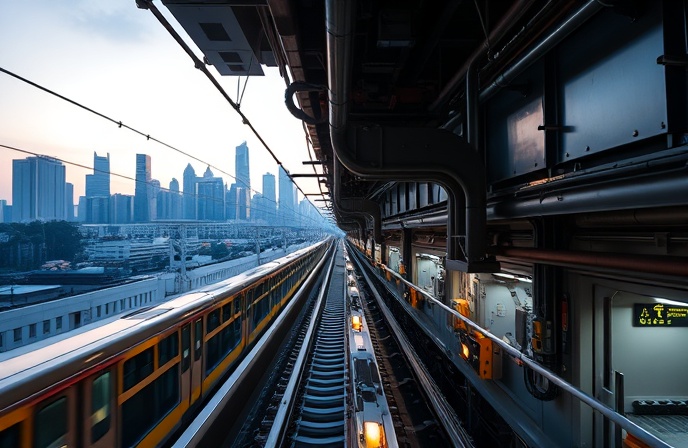
Siemens Mobility and SBS Transit have inked a significant 22-year service support contract extension for the signalling system on Singapore’s Downtown Line (DTL), commencing 1 January 2026 and concluding on 31 December 2047. This renewed agreement solidifies Siemens Mobility’s role as the original equipment manufacturer responsible for ensuring the long-term operational integrity and technological advancement of the fully automated metro line.
| Key Entity | Critical Detail |
|---|---|
| Companies Involved | Siemens Mobility, SBS Transit |
| Core Action | Extension of long-term service support contract for Downtown Line (DTL) signalling system |
| Contract Value/Duration | 22 years (1 January 2026 – 31 December 2047) |
| Key Focus | Proactive obsolescence management, technology updates, security enhancements, lifecycle management |
| Location | Singapore |
The extended contract builds upon a prior arrangement awarded in May 2024, which focused on spares support, technical assistance, and monitoring of obsolete components. This new agreement significantly broadens the scope, encompassing comprehensive lifecycle management services with a pivotal shift towards proactive obsolescence management. Siemens Mobility will leverage its OEM expertise to identify and address potential obsolescence issues within the DTL’s signalling subsystems and components well in advance, ensuring continuous system reliability and minimizing disruption.
Strategic Impact of Proactive Obsolescence Management
This forward-thinking approach to obsolescence management is a critical strategic imperative for modern metro systems. By moving from a reactive to a proactive model, Siemens Mobility aims to mitigate risks associated with aging components and evolving technological landscapes. The company will meticulously assess, develop, and implement necessary redesigns and introduce qualified replacement parts, ensuring the DTL signalling system remains robust and efficient throughout its extended operational life. This proactive strategy not only safeguards passenger safety and service continuity but also optimises long-term operational expenditure for SBS Transit by preventing costly emergency replacements and system failures.
Operational Enhancements and Security Updates
Beyond obsolescence treatment, the renewed contract mandates continuous monitoring of component lifecycles and the dynamic adjustment of spare parts inventories to meet operational demands. Furthermore, structured system updates are incorporated to address emerging security needs, a crucial aspect in today’s interconnected digital environment. Siemens Mobility will undertake ongoing reviews of system performance and configuration, guaranteeing the seamless compatibility and integration of hardware and software updates with the DTL’s operating environment. This comprehensive approach ensures that the 44km, 37-station fully automated metro line remains at the forefront of operational excellence and cybersecurity.
Last June 2025, we published an article about Renfe’s cutting-edge Aranjuez maintenance hub. Click here to read – Future of Rail: Renfe’s Railway Technology Hub, Aranjuez: Essential Guide
Industry Context
This significant contract extension underscores the growing trend in the global railway industry towards long-term, performance-based service agreements. As metro networks expand and age, operators are increasingly seeking partnerships with OEMs that can provide end-to-end lifecycle support, ensuring system longevity and minimizing operational risks. For railway executives, this development highlights the strategic value of investing in proactive maintenance and technological modernization, which are essential for maintaining a competitive edge, ensuring passenger satisfaction, and achieving sustainable growth in the urban mobility sector.
RELATED POSTS

October 9, 2009 8:17 pm
Italian rail operator Trenitalia has awarded a €25m contract to...

May 3, 2025 3:37 pm
The burgeoning growth of the Southwestern United States, particularly Arizona,...

March 21, 2017 7:41 am
Knorr-Bremse is overhauling 103 Class 321 EMUs, upgrading HVAC and...
December 19, 2016 1:03 am
Downer is building 17 new Waratah Series 2 trains for...
December 11, 2025 1:42 pm
UK's public rail ownership initiative boosts capacity with infrastructure upgrades...

April 25, 2025 10:07 pm
India’s Ambitious Rail Expansion Under Prime Minister Modi: A Comprehensive...