
Keolis/MBTA: 29M+ Commuter Rail Trips Drive Significant Emissions Savings
MBTA Commuter Rail experiences soaring ridership, exceeding 29 million trips. This drives significant carbon emission savings, highlighting the power of sustainable **railway** transportation and benefits.
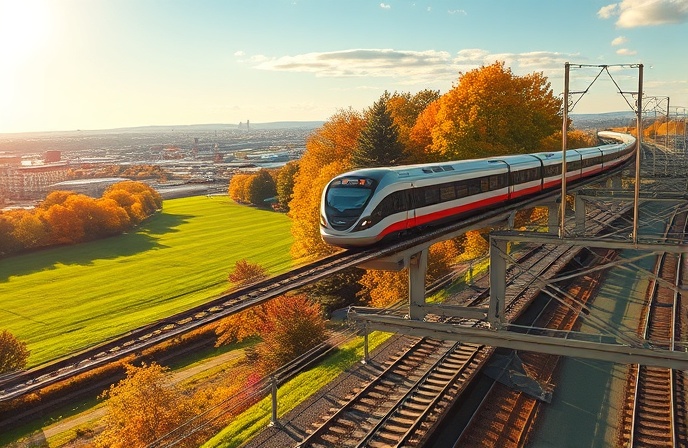
Keolis Commuter Services, the operating and maintenance partner for the Massachusetts Bay Transportation Authority’s (MBTA) commuter-rail service, has reported a significant milestone with over 29 million individual trips recorded as of December 4, 2025. This surge in ridership translates into substantial environmental benefits, with an estimated saving of 406 million pounds of carbon emissions compared to motor vehicle travel over 5 million miles operated.
| Key Entity | Critical Detail |
|---|---|
| Keolis Commuter Services / MBTA | Over 29 million commuter rail trips by Dec. 4, 2025 |
| Environmental Impact | Estimated 14 lbs. carbon savings per trip vs. car; 406 million lbs. total |
| Operational Scope | Over 5 million miles traveled in 2025 |
| Passenger Benefit | Time utilized for leisure and socialization |
Strategic Impact
The substantial ridership figures underscore the critical role of MBTA commuter rail in advancing sustainable transportation initiatives within the Commonwealth. Keolis’s data highlights the environmental dividend of shifting travel patterns from private automobiles to public transit. With an average saving of 14 pounds of carbon emissions per trip, the collective impact across millions of journeys represents a significant reduction in the region’s carbon footprint. This performance reinforces the strategic importance of investing in and optimizing commuter rail networks as a cornerstone of modern, eco-conscious urban mobility.
Operational Details
As of December 4, 2025, Keolis Commuter Services facilitated over 29 million individual journeys on the MBTA’s commuter rail lines. During the year, these services covered a considerable distance, exceeding 5 million miles of operation. This extensive mileage not only facilitated the high volume of passenger trips but also contributed directly to the substantial environmental savings. The consistent operational performance is vital for maintaining passenger confidence and encouraging continued modal shift away from single-occupancy vehicles.
Passenger Experience and Modal Shift
Beyond the quantifiable environmental benefits, the campaign also emphasizes the qualitative advantages of commuter rail travel. Keolis highlights how passengers leverage their commute time for leisure activities and socialization, a stark contrast to the often isolating and stressful experience of driving. This aspect is crucial for promoting public transport not just as an environmental necessity but as a lifestyle choice that enhances well-being and community connection. By offering a more productive and enjoyable travel experience, MBTA commuter rail strengthens its appeal to a broader demographic.
Last June 2025, we published an article about Renfe’s cutting-edge Aranjuez maintenance hub. Click here to read – Future of Rail: Renfe’s Railway Technology Hub, Aranjuez: Essential Guide
Industry Context
For railway operators and transit authorities globally, the MBTA commuter rail’s performance serves as a compelling case study. In an era where decarbonization targets and sustainable urban development are paramount, demonstrating tangible environmental benefits alongside operational efficiency is key to securing ongoing investment and public support. This success story can inform strategic planning for other rail networks, emphasizing the powerful combination of high ridership, significant emissions reduction, and enhanced passenger experience as drivers of future growth and relevance in the transportation sector.
RELATED POSTS

August 26, 2021 12:55 pm
This article explores the significant advancements in hydrogen-powered rail technology,...

April 28, 2025 8:09 am
News: CN Announces Major Investment in Canadian Rail Infrastructure Canada...

July 16, 2010 9:48 am
Brazil has opened bidding for a high-speed train linking Rio...
November 21, 2022 8:35 am
The Ontario Line South Civil Package: A Deep Dive into...
December 20, 2021 9:05 am
The Strategic Partnership Between VR FleetCare and VR Group for...
April 16, 2023 2:53 am
This article explores the significant shift towards sustainable railway transportation,...