
Railway Optimization: Data-Driven Infrastructure & Trip Optimizer
Optimize your railway operations today! Modern infrastructure, data-driven decision-making, and a skilled workforce are key to achieving efficiency and safety. Discover how!

Optimizing Railway Operations: A Comprehensive Approach
The efficiency and safety of railway systems are paramount in the modern transportation landscape. This article delves into the multifaceted aspects of optimizing railway operations, exploring crucial components from infrastructure enhancements to advanced technology implementations. We will examine the impact of strategic investments in track maintenance, signal systems, and train control technologies on overall performance. Furthermore, the role of data analytics and predictive modeling in enhancing operational efficiency and proactive risk management will be scrutinized. This analysis will also assess the significance of robust workforce training and collaboration among stakeholders in the railway industry to ensure a unified approach to optimization.
Infrastructure Modernization for Enhanced Performance
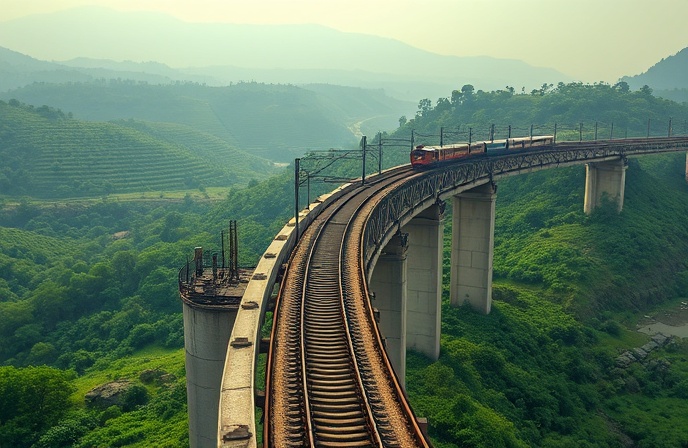
Modernizing railway infrastructure is a cornerstone of operational optimization. This encompasses upgrades to track geometry, ballast conditions, and drainage systems to mitigate wear and tear, ensure smooth operation, and reduce maintenance costs. Investment in advanced signaling systems, including those that incorporate digital communications, improves train sequencing, reduces delays, and enhances safety protocols. By adopting reliable and robust interlocking systems, railway companies can guarantee safer train movements and minimize the potential for collisions.
Leveraging Data Analytics for Predictive Maintenance and Trip Optimization
The wealth of data generated by modern railway operations can be effectively harnessed to improve decision-making and planning. Real-time monitoring of train performance, track conditions, and signal system performance allows for proactive intervention and preventative maintenance, significantly reducing downtime and improving overall efficiency. Sophisticated algorithms and machine learning models can be used to predict potential issues, such as equipment malfunctions or track disruptions, enabling timely interventions. Integrated data analysis platforms allow for the optimization of the train schedule and route planning, which facilitates seamless travel and enhances the passenger experience. The use of this data can enable more precise estimations of travel times and provide passengers with valuable real-time updates. This also supports an essential aspect of railway operations: Trip Optimizer, facilitating smoother and more reliable transportation.
You might be interested in:
Last March 2019, we published an article about NJ Transit’s Positive Train Control (PTC) extension. Click here to read – NJ Transit’s PTC Extension: A Case Study
The Human Element: Training and Collaboration
High-quality workforce training is critical in achieving and maintaining optimized railway operations. Comprehensive training programs should cover a range of topics, including signal system operation, train maintenance procedures, and emergency response protocols. A well-trained workforce is critical for the safe and efficient operation of railway systems. Collaboration among various stakeholders, including railway operators, maintenance personnel, and regulatory agencies, is essential to create a unified approach to optimization. Open communication channels and shared knowledge can greatly improve coordination and enable swift responses to unexpected events.
Conclusion: A Holistic Approach to Railway Optimization
Optimizing railway operations necessitates a holistic strategy encompassing infrastructure upgrades, data-driven decision-making, and a highly skilled workforce. Modernizing tracks, implementing sophisticated signaling systems, and leveraging data analytics to predict and prevent issues are crucial elements in enhancing efficiency and safety. This also includes proactive risk management to minimize the impact of any unforeseen events. Investing in Trip Optimizer solutions can greatly enhance the passenger experience, improving on-time performance, and providing real-time information. Furthermore, fostering strong partnerships and collaborations between all stakeholders is essential for creating a unified approach to railway optimization. By adopting these strategies, railway operators can not only increase efficiency and safety but also cultivate a more sustainable, user-friendly, and future-proof transportation system. Ultimately, a successful optimization program requires a multi-faceted approach, encompassing infrastructure improvements, technological advancements, and a commitment to employee training and stakeholder collaboration, ultimately leading to enhanced passenger experience, economic growth, and societal benefits. Implementing advanced Trip Optimizer technologies is essential for realizing the full potential of these strategies. By combining infrastructure development with robust workforce training and data-driven decision-making, railway companies can significantly improve the reliability, safety, and accessibility of their services.
RELATED POSTS

September 6, 2025 11:00 pm
Polish rail upgrades boost Baltic Sea port freight capacity, ...
November 23, 2016 1:16 pm
Alstom's ERTMS implementation on Turkey's Sivas-Erzincan line is now testing....
September 17, 2025 4:55 pm
Concord Control Systems secures first Kavach 4.0 railway safety system...
May 14, 2017 3:59 pm
**"Expedia acquires SilverRail! This move integrates rail solutions, promising a...

October 20, 2011 1:46 pm
Colas Rail, a unit of French construction and telecommunications group...

April 24, 2025 3:04 pm
The California High-Speed Rail (HSR) project, a monumental undertaking aiming...