
Auckland City Rail Link: Future of Rail Infrastructure in NZ
Auckland’s City Rail Link (CRL) had its first ride, a crucial test run before 2026 launch. The $5 billion project aims to revolutionize public transport.
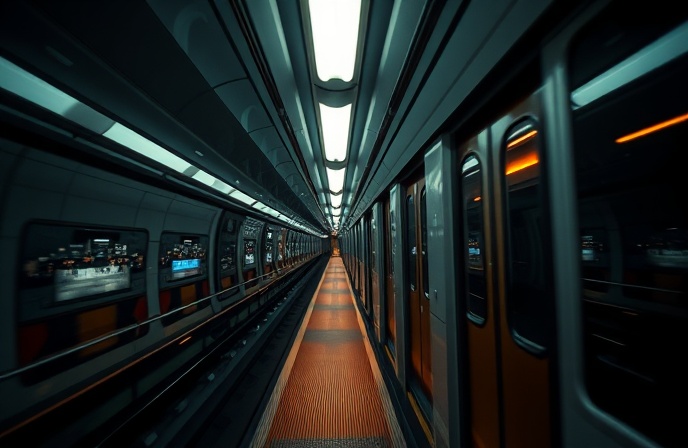
Auckland City Rail Link: A Milestone Ride and a Glimpse into the Future
Auckland, New Zealand’s ambitious City Rail Link (CRL) project took a significant step forward this week, with a ceremonial first ride undertaken by key stakeholders. The inaugural journey, which carried Prime Minister of New Zealand, along with local civic leaders, and project partners, served as a critical milestone in the rigorous testing phase. The CRL, a transformative underground railway project under the central city, promises to revolutionize Auckland’s public transport network, improving connectivity and reducing congestion. This article delves into the significance of the first ride, the current project status, technical challenges, and the future implications of this monumental infrastructure undertaking. The CRL, a monumental $5 billion (NZD) project financed by the New Zealand Government and Auckland Council, is set to enter passenger service in 2026. This represents a fundamental shift in Auckland’s transportation infrastructure.
The Maiden Voyage: A Test of Systems
The inaugural trip was conducted under stringent safety protocols, forming part of the extensive train testing phase. The train navigated the twin 3.45 km-long tunnels, seamlessly traversing the city centre. The route commenced at the new Maungawhau station, passing through Karanga-a-Hape and Te Waihorotiu underground stations before arriving at Waitematā station (Britomart) and then returning to Maungawhau. This testing phase is vital, as it ensures the integration of all station and tunnel systems, including signalling, power, and emergency services. The project will not enter passenger service until all aspects have passed the requirements set by the industry. The current testing phase, which started in February, has already seen over 1,600 test train journeys completed within the tunnels.
Navigating the Complexities: Technical Challenges and Solutions
The CRL represents New Zealand’s largest ever transport infrastructure project. The twin tunnels, excavated up to 42 metres underground, posed significant engineering and logistical challenges. Patrick Brockie, Chief Executive of City Rail Link Ltd, emphasized the complexity of the current phase, highlighting that “getting this right for Aucklanders is our utmost priority.” The construction of the stations and supporting rail infrastructure is expected to be completed by December 2025. The project relies on sophisticated Tunnel Boring Machines (TBMs) and meticulous geological surveys to ensure the stability and safety of the underground infrastructure. The implementation of advanced safety protocols, including fire detection and suppression systems, ventilation, and emergency evacuation plans, are all integrated into the rail infrastructure. These technologies are crucial for operating a complex underground railway safely.
Collaborative Efforts and Project Timelines
The construction phase is being undertaken by the Link Alliance, a consortium of six companies responsible for delivering the main stations, tunnels, and rail systems. This collaborative approach underscores the magnitude of the project and the need for seamless integration across multiple disciplines. Auckland Transport, led by Chief Executive Dean Kimpton, is also playing a crucial role in preparing the wider transportation network for the CRL’s arrival. Their work focuses on critical projects, including hiring front-line staff, procuring new trains, and updating bus routes, streets, paths and bus stops, and also removing level crossings from the rail network. These crucial improvements are essential for ensuring smooth connections and increased accessibility for commuters.
The Future of Auckland’s Rail Network
The successful completion of the CRL will have profound implications for Auckland’s public transport system, transforming the way the city moves and operates. The project will significantly increase the capacity and efficiency of the rail network, reduce congestion, and promote sustainable transportation. Improved connectivity to the city centre will stimulate economic growth and transform areas around the new stations. The 2026 launch will represent a considerable improvement in the service for the public. However, the project’s complexity and the scale of the final commissioning and testing are vital for the success of the CRL. The dedication of the Link Alliance, Auckland Transport, and the City Rail Link Ltd, shows their commitment to providing a safe, efficient, and accessible transport infrastructure, will solidify Auckland’s position as a modern and sustainable city.
Conclusion
The ceremonial first ride on the Auckland City Rail Link marks a pivotal moment in a project that promises to redefine the city’s transport landscape. From the initial tests to the planned launch in 2026, the CRL underscores the importance of robust safety protocols, intricate engineering, and effective collaboration. The project’s complexities highlight the need for meticulous planning, expert execution, and the integration of cutting-edge technology. As Auckland prepares to embrace the future of its public transport network, the CRL serves as a testament to the possibilities of ambitious infrastructure projects. The project’s successful delivery is a model for future rail projects, with the potential to reduce congestion, cut emissions and improve the quality of life for countless citizens. The project will also have long-term implications for the local economy.
RELATED POSTS

June 18, 2021 10:25 am
This article examines the award of a significant contract to...
January 17, 2020 2:10 pm
This article delves into the significant Botany Rail Duplication and...
June 17, 2019 4:02 am
This article analyzes the contract awarded to CAF (Construcciones y...
June 28, 2016 9:10 pm
Siemens Mobility is deploying ETCS signalling on the Anglia route,...
September 28, 2023 3:34 pm
This article examines Amtrak’s expansion of its rolling stock order...

March 16, 2025 8:08 am
This article explores the significant modernization of Ireland’s rail infrastructure...